Tag: Thyroid Health

  • Thyroid Function: 5 Reasons Normal Labs Don’t Guarantee True Health

    Thyroid Function: 5 Reasons Normal Labs Don’t Guarantee True Health

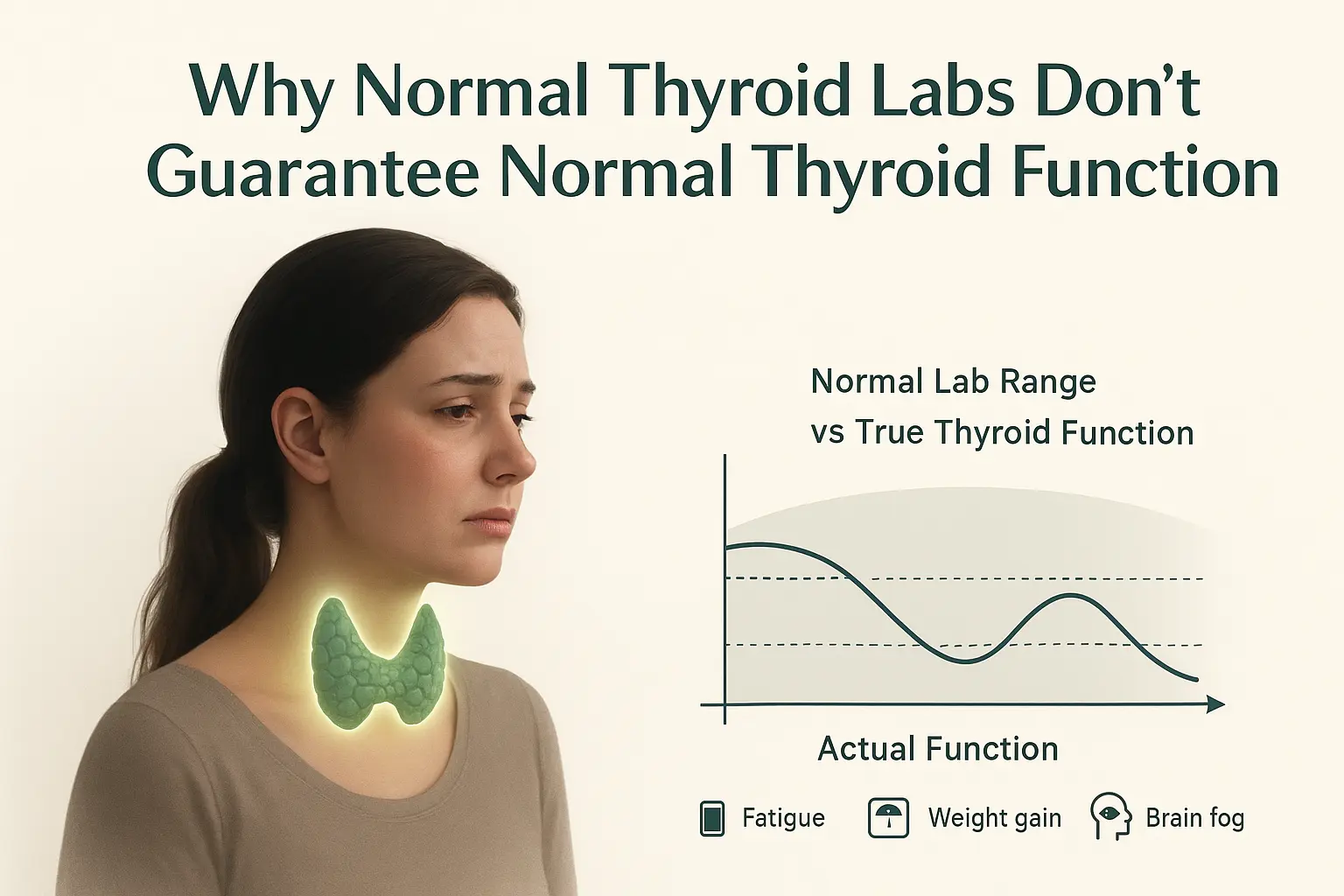
    Many women and men feel constantly fatigued, struggle with weight, or notice mood swings — yet routine thyroid labs often appear “normal.” This disconnect can be confusing and frustrating. Understanding how thyroid function interacts with hormones, metabolism, and lifestyle factors is key to recognizing subtle imbalances before they affect energy, mood, and overall well-being.

    How Thyroid Hormones Work

    The thyroid produces hormones that regulate metabolism, energy, and mood. While T4 is the main hormone released, it is inactive and must convert into the active form, T3, to influence your body effectively.

    • T4 → T3 conversion is critical for energy production and metabolic efficiency
    • T3 affects brain function, metabolism, and fatigue levels- literally everything in the body.
    • Conversion can be influenced by stress, diet, lifestyle habits, and many other factors like liver function, etc. 
    • The availability of T3 can be affected by the amount that is bound up by the binding globulins. Hence, measuring Free T3 is also needed.

    Even when labs measure TSH or T4 levels and appear “normal,” subtle dysfunction in T3 conversion or hormone utilization can lead to fatigue and other symptoms.


    Why Labs Might Look “Normal”

    Routine thyroid tests often focus on TSH or T4 alone, which can miss early or subtle dysfunction. Several factors can influence lab results:

    • Timing of the test (morning vs. afternoon)
    • Temporary stress or illness
    • Nutritional deficiencies
    • Minor metabolic disruptions that don’t appear on standard panels

    This is why some individuals feel symptoms even when tests suggest everything is fine.
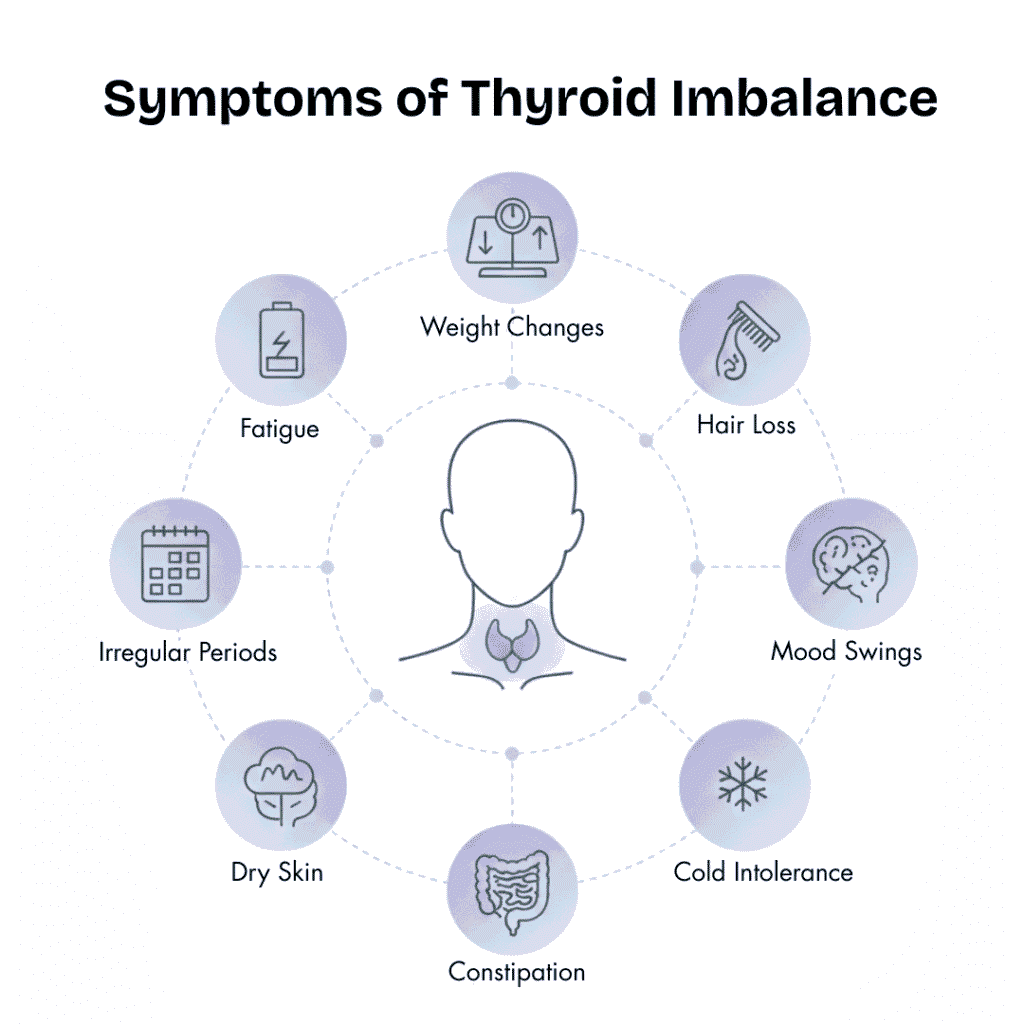
    Thyroid Function : Thyroid Imbalance symptoms

    Subtle Symptoms That Often Go Unnoticed

    Thyroid imbalance doesn’t always trigger obvious lab alerts. Early signs can include:

    • Persistent fatigue, especially after meals
    • Brain fog or difficulty concentrating
    • Afternoon energy slumps
    • Mood swings or irritability
    • Minor, unexplained weight fluctuations

    Even mild symptoms can indicate that your thyroid is not functioning optimally, despite normal lab values.

    Lifestyle & Functional Factors Influencing Thyroid

    Functional medicine emphasizes understanding root causes beyond standard labs. Some of the factors that can subtly impact thyroid hormone function are:

    • Stress: High cortisol levels can reduce T4 → T3 conversion
    • Nutrition: Deficiencies in selenium, iodine, or zinc can affect both conversion and  metabolism
    • Sleep disruption: Inconsistent sleep can impact hormone balance
    • Gut health & inflammation: Chronic issues may influence thyroid function indirectly

    Thyroid Hormones – Bound vs Free

    • Bound Hormones: Attached to proteins, inactive, measured in standard lab tests.
    • Free Hormones: Unbound, active, ready to fuel your cells.
    • Why it matters: Only free hormones regulate energy, metabolism, and mood. Even with normal labs, low free hormone levels can leave your body starved for thyroid activity.

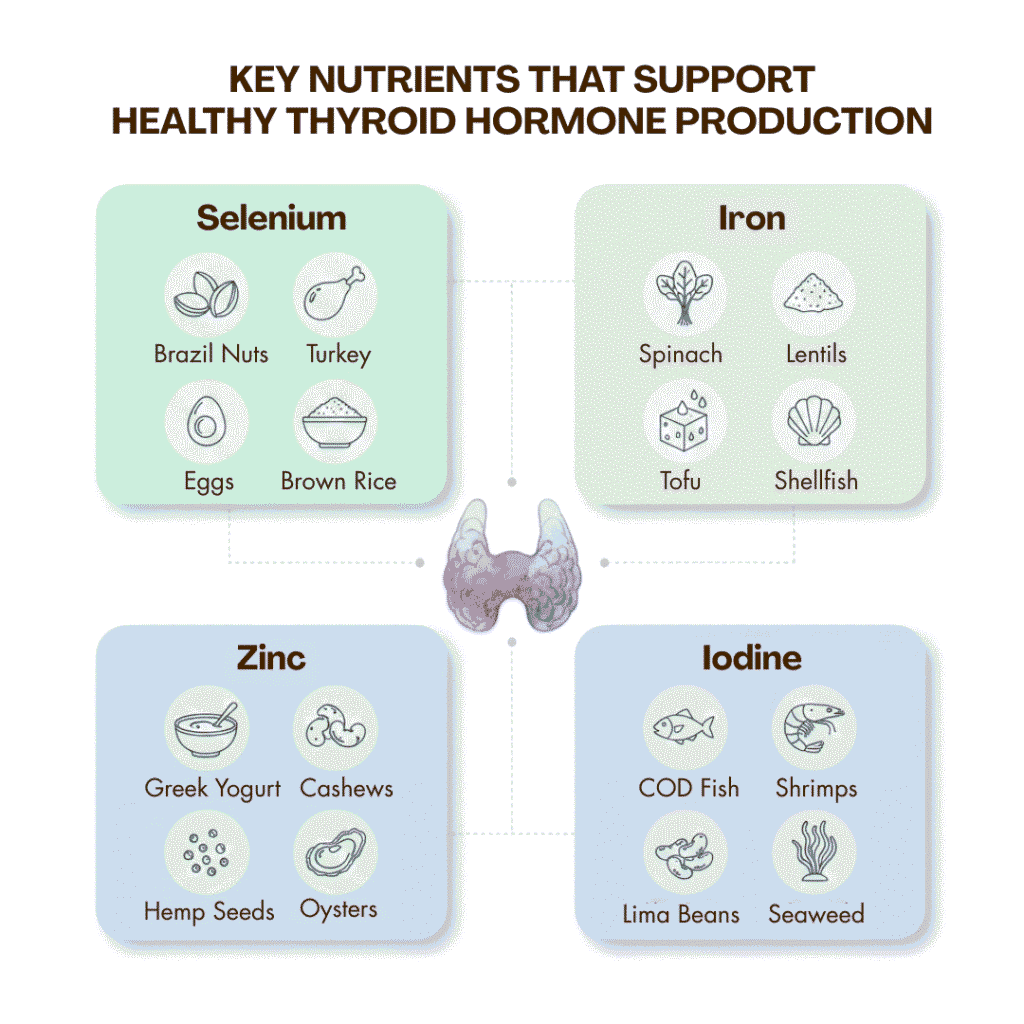
    Key Nutrients That Support Healthy Thyroid Hormone Production
    Thyroid Function: Healthy diet

    The thyroid requires certain nutrients and vitamins to function optimally:

    • Minerals: Iron, Iodine, Tyrosine, Zinc, Selenium
    • Vitamins: E, B2, B3, B6, C, D
    • Why it matters: Deficiencies can slow hormone production, leading to fatigue, low energy, and sluggish metabolism.
    • Practical Tip: Include leafy greens, eggs, nuts, seeds, and seafood to naturally support thyroid health.

    Factors That Can Reduce Thyroid Hormone Production

    Certain conditions or exposures can decrease your thyroid’s hormone output:

    • Lifestyle & environmental factors: stress, infections, trauma, medications, radiation, fluoride, toxins
    • Health conditions: autoimmune diseases
    • Signs of reduced hormone production: fatigue, mood swings, unexplained weight changes

    T4 → T3 Conversion: How Your Thyroid Makes Hormones Active

    • The thyroid releases T4 (inactive), which must be converted into T3 (active) to fuel cells efficiently.
    • Supports Conversion: Selenium and Zinc
    • Blocks Conversion / Increases Reverse T3: Stress, trauma, low-calorie diets, inflammation, toxins, infections, liver/kidney issues, or certain medications

    Improving How Your Cells Respond to Thyroid Hormones

    Even if hormone levels are normal, cells must respond properly to them for energy and metabolism:

    • Supports Cellular Sensitivity: Vitamin A, Zinc, and regular exercise
    • Lifestyle Factors: Prioritize consistent sleep, a balanced diet, and stress management
    • Outcome: Ensures thyroid hormones reach your cells effectively, regulating energy, metabolism, and overall well-being

    Practical Steps to Support Thyroid Function

    Even without abnormal labs, small lifestyle adjustments can support optimal thyroid function:

    • Balanced diet: Include protein, fiber, and micronutrients to stabilize blood sugar and hormone function
    • Daily movement: Light resistance training or walking improves metabolism
    • Sleep hygiene: Prioritize 7–8 hours of consistent sleep
    • Stress management: Mindfulness, journaling, or breathing exercises help reduce cortisol
    • Monitor symptoms: Track energy patterns, mood, and cravings to notice subtle imbalances

    These actions support hormone balance and metabolic health, providing noticeable improvements over time.

    Conclusion

    Normal thyroid labs don’t always guarantee optimal thyroid function. Subtle disruptions in hormone conversion, lifestyle factors, and stress can affect energy, mood, and metabolism. Understanding these patterns empowers you to notice early signals and take actionable steps toward better hormone health.
    At Hormone Reset, we guide individuals to understand metabolic and hormone patterns using functional approaches — emphasizing lifestyle, nutrition, and energy optimization without relying solely on routine lab tests.

    References:

    https://pmc.ncbi.nlm.nih.gov/articles/PMC9987447/ PMC
    https://pmc.ncbi.nlm.nih.gov/articles/PMC5075641/ PMC
    https://pmc.ncbi.nlm.nih.gov/articles/PMC3356062/ PMC
    https://pubmed.ncbi.nlm.nih.gov/30029851/ PubMed
    https://pubmed.ncbi.nlm.nih.gov/35015701/ PubMed

    FAQs: Understanding Thyroid Function Beyond Lab Tests

    1. Can I have thyroid issues even if my blood tests are normal?

    Yes. Subtle thyroid imbalances can occur due to T3 conversion issues, lifestyle factors, or stress, which routine labs may not detect. Paying attention to energy, mood, and metabolism is key.

    2. What are early signs of thyroid imbalance to watch for?

    Common patterns include persistent fatigue, brain fog, mood swings, afternoon energy slumps, and unexplained weight changes, even if lab results appear normal.

    3. How can lifestyle influence thyroid function?

    Balanced nutrition, regular sleep, stress management, and moderate exercise all support healthy thyroid metabolism and hormone balance. Small adjustments often make a noticeable difference in energy levels.

    4. Can stress or sleep affect thyroid labs?

    Yes. Stress hormones like cortisol and disrupted sleep can impact T4 → T3 conversion, which may cause symptoms even when standard lab values seem normal.

    5. Where can I learn more about supporting hormone balance naturally?

    For educational insights on hormone and metabolic patterns, you can explore Hormone Reset, which focuses on functional approaches to energy, metabolism, and hormone balance.
  • A Complete Guide to Reverse Hashimoto’s Thyroiditis by Functional Medicine

    A Complete Guide to Reverse Hashimoto’s Thyroiditis by Functional Medicine

    What is Hashimoto’s thyroiditis?

    image
    Hashimoto’s Thyroiditis

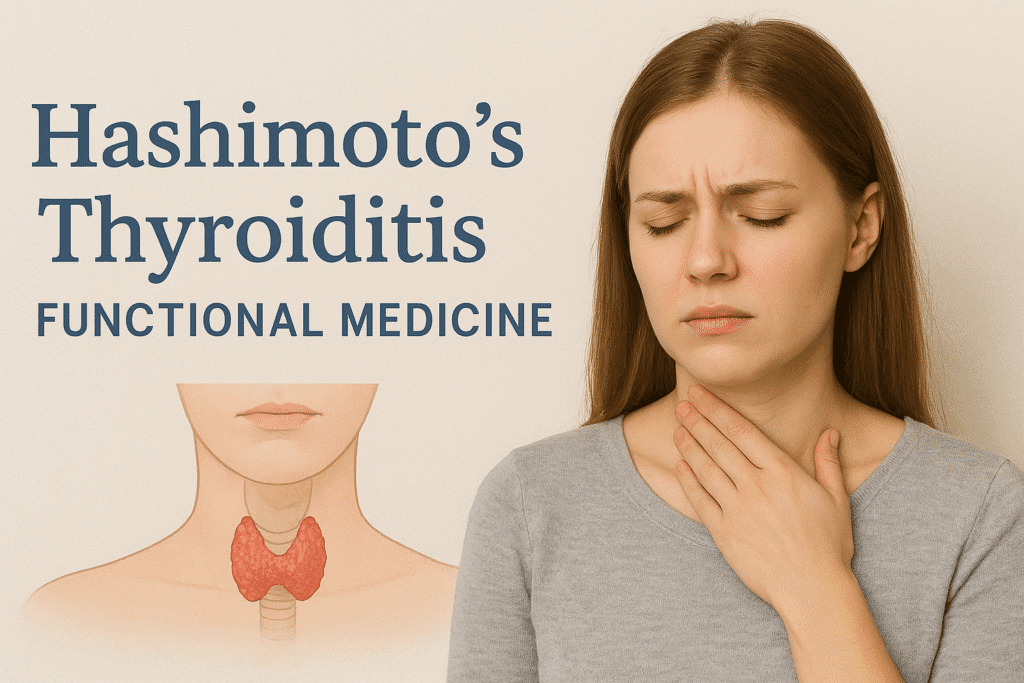
    Hashimoto’s Thyroiditis is an autoimmune condition in which the body’s immune system attacks the thyroid gland, resulting in hypothyroidism (low thyroid function). Common symptoms include fatigue, weight gain, brain fog, hair thinning, mood swings, and sensitivity to cold.

    Conventional treatment usually involves thyroid hormone replacement. While this helps manage hormone levels, it does not address the underlying triggers of autoimmunity. This is where functional medicine makes a difference.

    Why Choose Functional Medicine for Hashimoto’s Thyroiditis?

    A Hashimoto’s Thyroiditis functional medicine specialist focuses on finding and treating the root causes of thyroid dysfunction. Instead of masking symptoms, functional medicine investigates deeper imbalances, such as:

    • Nutrient deficiencies (Vitamin D, Selenium, Zinc, B12)
    • Gut health issues like leaky gut and microbiome imbalance
    • Chronic stress & adrenal fatigue
    • Food sensitivities (gluten, dairy, soy)
    • Environmental toxins and heavy metal exposure

    By addressing these triggers, functional medicine supports the immune system, reduces inflammation, and improves thyroid function naturally.

    Key Benefits of Functional Medicine for Hashimoto’s

    • Personalized care: Every patient has unique triggers, so treatments are customized.
    • Root cause healing: Focuses on restoring immune balance, not just replacing hormones.
    • Improved quality of life: Many patients experience better energy, focus, and weight balance.
    • Preventing progression: Reduces autoimmune activity and protects long-term thyroid health.

    What Does a Functional Medicine Specialist Do?

    If you are searching for functional medicine near me, look for a doctor experienced in autoimmune thyroid disorders. A functional medicine specialist will:

    1. Run detailed thyroid panels (TSH, T3, T4, antibodies).
    2. Test for gut health, nutrient status, and food sensitivities.
    3. Identify lifestyle triggers such as stress and toxins.
    4. Create a personalized treatment plan including:
      • Anti-inflammatory nutrition
      • Stress reduction techniques (yoga, meditation, breathwork)
      • Supplements to restore thyroid and immune balance
      • Detoxification strategies

    Lifestyle Tips for Hashimoto’s Patients

    Along with working with a Hashimoto’s Thyroiditis specialist, here are steps you can take at home:

    • Eat a thyroid-friendly diet: Include selenium-rich foods (Brazil nuts, eggs), zinc (pumpkin seeds), and omega-3s (salmon, flaxseed).
    • Support gut health: Probiotics, bone broth, and fiber-rich foods.
    • Manage stress: Daily meditation, journaling, or breathing exercises.
    • Exercise wisely: Gentle workouts like yoga and walking instead of excessive high-intensity training.
    • Avoid triggers: Gluten, processed foods, and refined sugar.

    Living Better with Functional Medicine

    Hashimoto’s can feel overwhelming, but you don’t have to struggle alone. A Hashimoto’s Thyroiditis functional medicine approach empowers you to take control of your health. By finding the right functional medicine specialist, you can heal from the inside out, restore balance, and improve your overall well-being.If you suspect Hashimoto’s Thyroiditis, consider consulting a functional medicine near me expert who understands autoimmune conditions and offers long-term solutions.

    Also Read: Biohacking: Types, Benefits & Beginner Hacks

    FAQ’s

    1. What is Hashimoto’s Thyroiditis?
      • Hashimoto’s Thyroiditis is an autoimmune disorder where the immune system attacks the thyroid gland. Over time, this causes hypothyroidism, leading to fatigue, weight gain, brain fog, and other symptoms.
    2. How does functional medicine help with Hashimoto’s Thyroiditis?
      • Functional medicine takes a root-cause approach. Instead of just prescribing thyroid hormone replacement, a functional medicine specialist looks at gut health, nutrient deficiencies, stress, and food sensitivities that may trigger autoimmunity.
    3. Can Hashimoto’s Thyroiditis be reversed with functional medicine?
      • While Hashimoto’s cannot always be fully reversed, many patients see significant improvements. A Hashimoto’s Thyroiditis functional medicine plan can reduce antibody levels, improve energy, balance hormones, and help manage symptoms naturally.
    4. How do I find a functional medicine specialist near me?
      • Search for a functional medicine near me provider with experience in thyroid and autoimmune conditions. Look for practitioners who offer advanced testing, nutrition counseling, and personalized care plans.
    5. What lifestyle changes support Hashimoto’s recovery?
      • Eating an anti-inflammatory diet (gluten-free, nutrient-dense foods)
      • Supporting gut health with probiotics
      • Managing stress through yoga, meditation, or breathwork
      • Avoiding processed foods and refined sugar
      • Regular thyroid monitoring with a functional medicine specialist
    6. Is medication still needed if I use functional medicine?
      • In many cases, patients still require thyroid medication. However, functional medicine supports the body in healing, which may optimize thyroid function and reduce reliance on higher doses. Always consult your Hashimoto’s Thyroiditis specialist before adjusting medications.

    Stay updated with the latest information on functional medicine

    Please subscribe to our social channels for updates related to functional medicines.
    Instagramthehormonereset
    FacebookHormone Reset
    YouTubeHormone Reset Program
    LinkedInHormone Reset

  • A Comprehensive Guide to Managing Hashimoto’s with Functional Medicine

    A Comprehensive Guide to Managing Hashimoto’s with Functional Medicine

    Hashimoto’s thyroiditis is an autoimmune disorder that affects the thyroid gland. Most cases of Hashimoto’s are unnecessarily treated as hypothyroidism by looking at high TSH levels. While conventional medicine typically focuses on supplementing thyroid hormones, functional medicine offers a more integrated approach. This method delves into the root causes behind the autoimmune process, emphasizing personalized care through advanced diagnostic testing, tailored supplements, and dietary adjustments. 

    Understanding Hashimoto’s and the Functional Medicine Approach

    Hashimoto’s occurs when the immune system attacks the thyroid, causing inflammation and dysfunction. Symptoms like fatigue, weight gain, hair thinning, and mental fog can take a significant toll on daily life.  

    Functional medicine goes beyond treating symptoms by exploring the unique factors contributing to the condition. It seeks to identify potential triggers, such as nutrient deficiencies, chronic stress, or environmental influences, and address them to restore balance and support overall health.  

    Essential Testing for Hashimoto’s

    Functional medicine prioritizes in-depth diagnostic tests to uncover underlying imbalances that drive Hashimoto’s. Key assessments include:  

    1. Comprehensive Thyroid Testing: Measuring TSH, Free T3, Free T4, Reverse T3, and thyroid antibodies (TPOAb and TgAb) provides a complete picture of thyroid health and immune activity.  

    2. Nutrient Status: Testing for deficiencies in Vitamin D, Selenium, Zinc, complete B vitamins, and Iron (Ferritin) helps identify areas where supplementation or dietary changes may benefit.

    3. Gut Health Evaluation: Since a disrupted gut microbiome or intestinal permeability often accompanies autoimmune disorders, stool testing for gut microbiome and organic acid tests are vital for gut assessment. 

    4. Heavy metals: Heavy metals like lead, aluminium, cadmium, arsenic, mercury can block thyroid hormone receptors, interfere with conversion of T4 to T3 and moreover dysregulate the immune system. It’s important to test for heavy metals and work on heavy metal removal if high levels are reported. 

    5. Organ function tests: Optimal liver and kidney function is critical for ensuring proper detoxification pathways. 

    4. Stress and Adrenal Health: Chronic stress can exacerbate thyroid dysfunction, making cortisol testing an essential part of treatment planning.  

    Nutritional Foundations for Thyroid Health  

    Diet plays a transformative role in managing Hashimoto’s, as certain foods can either support or hinder thyroid function. Functional medicine emphasizes personalized dietary interventions, including:  

    Elimination of Trigger Foods: Many patients experience symptom relief by avoiding gluten and dairy, which are common inflammatory triggers in autoimmune conditions.  

    Focus on Nutrient Density: Foods rich in selenium (e.g., Brazil nuts), iodine (moderate amounts), zinc, and omega-3 fatty acids help optimize thyroid function.  Good quality protein is important. 

    Balanced Blood Sugar Levels: A diet that avoids spikes in blood sugar can reduce inflammation and improve energy stability.  

    Gut-Supportive Foods: Incorporating bone broth, and probiotics can strengthen the gut lining and enhance nutrient absorption.  

    Targeted Supplementation  

    Supplements can complement dietary changes and provide additional support for thyroid and immune health. Functional medicine practitioners often recommend:  

    1. Vitamin D: Vital for immune system regulation and thyroid function.  

    2. Selenium: Known to decrease thyroid antibody levels and aid hormone conversion.  

    3. Zinc: Supports the immune system and thyroid hormone synthesis.  

    4. Omega-3s: Help control inflammation, a key factor in autoimmune conditions.  

    5. Adaptogens: Herbs like Ashwagandha and Rhodiola can improve the body’s stress response, which is critical for managing Hashimoto’s.  

    Lifestyle Practices for Long-Term Support  

    Beyond diet and supplementation, lifestyle adjustments are essential for managing Hashimoto’s and enhancing overall well-being. These include:  

    Stress Reduction Techniques: Meditation, mindfulness, and yoga can help lower stress hormones like cortisol, which may worsen thyroid dysfunction.  

    Exercise in Moderation: Regular, low-impact physical activity, such as walking or swimming, supports metabolism and reduces inflammation without overburdening the body.  

    Prioritizing Sleep: Restful sleep is critical for immune balance and hormone regulation.  

    The Importance of Individualized Care 

    No two cases of Hashimoto’s are identical. A functional medicine approach tailors treatment to each person’s unique needs by considering factors like genetics, environment, and lifestyle. This personalized strategy helps identify and address specific triggers, paving the way for symptom relief and better long-term outcomes.  

    Key Takeaway

    Managing Hashimoto’s thyroiditis requires a multifaceted approach that looks beyond symptoms to address root causes. By incorporating detailed testing, strategic nutrition, targeted supplements, and lifestyle changes, functional medicine empowers individuals to take control of their health. With the right support, it’s possible to reduce inflammation, support the thyroid, and improve overall quality of life.

    HR CTA tiny

    References:

    1. Weinberg, J.L. (2022, March 18). Fatigue, Weight Gain, Depression, And Brain Fog Are Common Signs Of This Autoimmune Disease.
    2. Toulis, K.A., Anastasilakis, A.D., Tzellos, T.G., et al. (2010). Selenium Supplementation in the Treatment of Hashimoto’s Thyroiditis: A Systematic Review and a Meta-analysis.
    3. Mazokopakis, E.E., Papadomanolaki, M.G., Tsekouras, K.C., et al. (2015). Is vitamin D related to pathogenesis and treatment of Hashimoto’s thyroiditis?
    4. Yoon, S.J., Choi, S.R., Kim, D.M., et al. (2003). The effect of iodine restriction on thyroid function in patients with hypothyroidism due to Hashimoto’s thyroiditis.
    5. Liontiris, M.I., & Mazokopakis, E.E. (2017). A concise review of Hashimoto thyroiditis (HT) and the importance of iodine, selenium, vitamin D, and gluten on autoimmunity and dietary management.

    Share