
Tag: hormone reset

  • 5 Top-Rated Functional Medicine Supplements

    5 Top-Rated Functional Medicine Supplements

    Functional medicine is transforming the way we approach chronic health conditions and autoimmune disorders. By focusing on the root causes of illness and supporting the body’s natural healing processes, functional medicine offers a personalized path to better health. One of the cornerstones of this approach is the strategic use of high-quality supplements. 

    At Hormone Reset, India’s leading functional medicine clinic, we guide patients toward evidence-based supplement choices that are tailored to their unique needs. In this blog, we’ll explore the top-rated functional medicine supplements that support chronic disease recovery and optimal wellness.

    What Is Functional Medicine?

    Functional medicine is a patient-centered, science-based approach that looks beyond symptoms to identify and address the underlying causes of disease. Unlike conventional medicine, which often focuses on symptom management, functional medicine uses a holistic framework to understand how genetics, environment, and lifestyle factors contribute to chronic illness. Supplements play a key role in functional medicine by correcting key nutrient deficiencies, supporting biochemical pathways, and enhancing the body’s ability to heal.

    Why Supplements Matter in Functional Medicine

    Many chronic and autoimmune conditions are linked to nutrient deficiencies, inflammation, and imbalances in gut health. Supplements, when chosen wisely, can fill nutritional gaps, modulate inflammation, and restore balance. For example, research shows that patients with chronic conditions often lack essential nutrients like the B vitamins, vitamin D, magnesium, and omega-3 fatty acids. Adding these nutrients often improves their health significantly. Functional medicine supplements are selected based on individual needs, lab testing, and current scientific evidence—ensuring maximum safety and effectiveness.
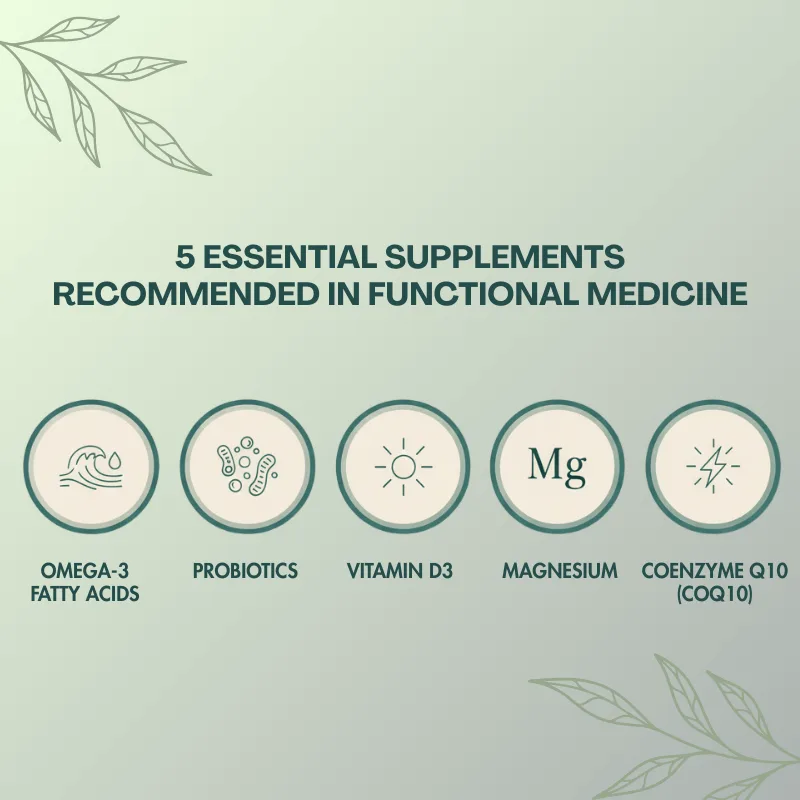
    Top 5 functional medicine supplements for immunity, gut, and hormone health

    Omega-3 fatty acids are vital for reducing inflammation, supporting cardiovascular health, and enhancing immune function. EPA and DHA, the biologically active forms of omega-3 fatty acids, help regulate inflammatory pathways, optimize cellular communication, and support cognitive function. Functional medicine research shows that people with autoimmune conditions, metabolic syndrome, or chronic inflammatory disorders often have low omega-3 levels, which can exacerbate disease activity. Incorporating omega-3s through dietary sources such as fatty fish or through supplements has been shown to reduce markers of inflammation, improve lipid profiles, and support overall wellness.

     Recommendation: Vitaone Triple Strength Omega 3, 60 Soft Gels, Autoimmunity Care Vegan Omega 3 Oil, 250 ML

    Probiotics are essential for maintaining a healthy gut microbiome, which plays a central role in digestion, nutrient absorption, immune regulation, and even mental health. A well-balanced microbiome strengthens the intestinal barrier, reduces systemic inflammation, and modulates immune responses. Disruptions due to antibiotics, stress, processed foods, or poor diet can lead to dysbiosis, contributing to digestive discomfort, fatigue, and chronic inflammation. Clinical studies highlight the benefits of multi-strain probiotics containing Lactobacillus and Bifidobacterium in restoring gut balance, enhancing nutrient absorption, and supporting immune resilience.

    Recommendation: FM Nutrition Opti-Biotic, Multi-strain Probiotics, 100 billion CFU, 60 Veg Capsules

    Vitamin D3 functions as both a vitamin and hormone, playing a critical role in immune modulation, bone health, and inflammatory control. Research indicates that vitamin D deficiency is widespread in India, due to limited sun exposure, high melanin content, indoor lifestyles, and environmental factors. Low vitamin D levels are associated with increased risk of autoimmune diseases, impaired bone density, and chronic inflammation. Functional medicine protocols emphasize testing serum vitamin D levels and tailoring supplementation to individual needs to optimize immune function, reduce inflammation, and support musculoskeletal health.

    Recommendation: Vitaone Vitamin D3 + K2-7, 90 Veg, Dr Gold Vitamin D3K2 I 60 Capsules

    Magnesium is a cofactor in over 300 enzymatic reactions and is essential for energy production, muscle relaxation, nerve signaling, stress management, and sleep quality. Modern diets, soil depletion, chronic stress, gastrointestinal disorders, and certain medications often lead to suboptimal magnesium levels. Clinical studies demonstrate that magnesium supplementation can alleviate muscle cramps, improve sleep patterns, reduce anxiety symptoms, and enhance cardiovascular health. Functional medicine practitioners recommend bioavailable forms such as magnesium glycinate or citrate to maximize absorption and physiological benefit.

    Recommendation: LivBio SuperMag Plus, Magnesium Supplement, 30 Veg Capsules

    Coenzyme Q10 (CoQ10) is a lipid-soluble antioxidant that plays a key role in mitochondrial energy production. It supports cardiovascular function, muscle performance, and neurological health by facilitating cellular ATP synthesis. CoQ10 levels naturally decline with age and can be further depleted by chronic illness, oxidative stress, or medications such as statins. Clinical studies highlight that CoQ10 supplementation may improve energy metabolism, reduce fatigue, enhance exercise tolerance, and protect cells from oxidative damage, making it a cornerstone in functional medicine protocols for cellular health and longevity.

    Recommendation: FM Nutrition Liposomal CoQ10, Ubiquinol 200mg, 30 Veg Capsules

    How to Choose the Right Supplements for You

    Supplementation should always be personalized. Functional medicine practitioners at Hormone Reset use detailed health histories, lab testing, and ongoing monitoring to create individualized supplement protocols. Avoid self-prescribing, as taking the wrong supplements or incorrect dosages can be harmful. Professional guidance ensures that supplements are safe, effective, and aligned with your health goals.

    Frequently Asked Questions About Functional Medicine Supplements

    Are supplements safe for everyone?

    Most supplements are safe when used appropriately, but some may interact with medications or underlying health conditions. Always consult a qualified practitioner.

    How long before you see results? 

    Some supplements work quickly (e.g., magnesium for muscle cramps), while others may take longer to show benefits. Consistency and professional monitoring are key.

    Can supplements replace medication? 

    Supplements can support healing but should not replace prescribed medications without medical supervision. Functional medicine integrates supplements with other therapies for comprehensive care.

    Conclusion

    Functional medicine supplements offer a powerful way to support healing, restore balance, and address the root causes of chronic and autoimmune disorders. At Hormone Reset, we combine expert guidance with evidence-based protocols to help you achieve optimal health. Ready to take the next step? Schedule a consultation with our functional medicine experts and discover a personalized path to wellness.

    This article is for informational purposes only and does not constitute medical advice. Always consult a qualified healthcare provider before starting any new supplement regimen.

    References

    1. The role of probiotic supplementation in inflammatory biomarkers in adults– National Library of Medicine
    2. Prevalence & potential significance of vitamin D deficiency in Asian Indians– Indian Journal of Medical Research
    3. Why You Should Consider Taking Omega-3 Supplements– NDTV
    4. Make no bones about it! Vitamin D deficiency a major worry, every 5th Indian suffers from it– Times of India
    5. The effects of coenzyme Q10 supplementation on biomarkers of exercise-induced muscle damage, physical performance, and oxidative stress–  National Library of Medicine
    6. The effect of omega-3 and vitamin E on oxidative stress and inflammation– National Library of Medicine

    Please subscribe to our social channels for updates related to functional medicines.
    Instagramthehormonereset
    FacebookHormone Reset
    YouTubeHormone Reset Program
    LinkedInHormone Reset

  • How Functional Medicine Helps Reverse Autoimmune Symptoms Naturally — What 90 Days of Healing Can Do

    How Functional Medicine Helps Reverse Autoimmune Symptoms Naturally — What 90 Days of Healing Can Do

    In India today, an increasing number of people are waiting months—or even years—for relief from autoimmune conditions such as Hashimoto’s thyroiditis, Rheumatoid arthritis, Psoriasis, or Lupus. Many feel trapped in symptom-management loops: the medication helps, the flare-ups return, fatigue lingers, and labs bounce. But what if the answer wasn’t just managing the immune attack—but rewinding it? That’s the promise of functional medicine. In this article, we dive into how functional medicine in India is being used to go beyond surface care and build a 90-day healing strategy for autoimmune symptoms.

    How functional medicine supports natural healing in autoimmune conditions

    Why Autoimmune Conditions Are Rising in India

    India is navigating a complex health scenario: while infectious diseases still demand attention, non-communicable and immune-mediated disorders are surging. For example, recent reporting indicates that nearly 70% of autoimmune disease patients in India are women, due to hormonal, environmental, and lifestyle factors. The Times of India

    Meanwhile, a 2021 panel of experts noted that functional medicine may help reverse chronic and autoimmune diseases by addressing root causes rather than simply suppressing symptoms. ETHealthworld.com
    Key drivers in India include:

    • Urbanisation and sedentary behaviours
    • A well-balanced traditional diet is turning into processed food loaded with refined carbohydrates and trans fats, etc.
    • Environmental toxicity, air and indoor pollution (impacting the immune and respiratory systems)
    • Delayed diagnosis or fragmented care in autoimmune cases
    • Stress, poor sleep, chronic infections, and gut dysbiosis (often unaddressed)
      In such a backdrop, functional medicine—which emphasises root-cause discovery and personalised protocols—is increasingly relevant for autoimmune health.

    What is Functional Medicine — A Root-Cause Approach

    Functional medicine is a systems-based, patient-centred model that seeks to identify why the body is mis-regulating, rather than only what is mis-regulating. It is especially relevant for complex conditions like autoimmunity, where multiple systems (gut, hormones, inflammation, immune regulation) interact.
    In India, functional medicine clinics emphasise: personalised history + advanced lab testing + tailored nutrition + lifestyle optimisation + targeted root cause solutions. For example, Indian clinics describe root causes as gut-health imbalance, toxin exposure, chronic infections, and hormonal disruption.

    Unlike conventional medicine that might prescribe immunosuppressants or symptomatic relief, functional medicine asks:

    • What triggered the immune system to misfire?
    • Which body systems are exhausted or overloaded?
    • What lifestyle or environmental exposures keep the inflammation active?

    Thus, the function-medicine approach can often complement conventional treatment and, over time, reduce flare-ups, medication dependency, and improve life quality.
    Discover how our clients transformed their health with Hormone Reset. Read their success stories!

    The 90-Day Healing Framework: What It Typically Includes

    While every individual is unique, a structured 90-day framework gives a realistic timeline for meaningful improvement in autoimmune symptoms. Here’s a typical blueprint:

    Days 1-30: Stabilise & Reset

    • Comprehensive assessment: full history, gut/hormone/immune labs
    • Elimination or anti-inflammatory nutrition plan (e.g., whole foods, reduced gluten/processed sugar)
    • Gut health: identify and address issues and imbalances related to stomach acid production, enzyme output, imbalances and overgrowths of bacteria, fungus and parasites in the gut, and heal the gut lining with probiotics, prebiotics, nutrients like zinc or L-glutamine, etc
    • Detoxify and  reduce environmental triggers (pollution exposure, indoor smoke, toxins)
    • Begin supportive lifestyle changes: consistent sleep, stress reduction (meditation or yoga)

    Days 31-60: Rebuild Systems

    • Reintroduce nutrient-dense foods adapted to the Indian diet (e.g., legumes, regional vegetables, healthy fats)
    • Hormone optimisation: adrenal/thyroid support if needed
    • Detoxification support: liver/gut/lifestyle practice
    • Moderate exercise and movement to support immune regulation
    • Monitor labs and symptoms to adapt the plan

    Days 61-90: Reinforce & Integrate

    • Immune retraining: focus on balance, not suppression (e.g., micronutrients like vitamin D, omega-3, curcumin)
    • Full integration of lifestyle: stress management, sleep hygiene, movement rhythm
    • Transition to sustainable habits rather than a “temporary fix”
    • Reassess labs and symptoms: aim to reduce flare-ups, stabilise immune markers, improve quality of life

    This 90-day timeframe is not a “cure guarantee”, but most patients report meaningful symptom reduction, fewer flares, and greater energy in this period. Clinics in India emphasise root-cause treatment over quick fixes. 

    Key Root-Cause Factors That Functional Medicine Targets

    Understanding what triggers the “autoimmune misfire” is key. Functional medicine often focuses on:

    Gut Health & Microbiome

    Overgrowth of the microbial/fungal/parasitic populations in the gut leads to higher gut toxicity and resultant immune system overactivation. This often leads to a compromised gut barrier (“leaky gut”), which in turn allows undigested food molecules and toxins into the bloodstream, triggering further immune dysregulation. Functional medicine emphasises gut healing via diet, targeted supplements, herbs, probiotics, and lifestyle.

    Toxin Load & Environment

    In India, heavy metal exposure, industrial pollutants, indoor air pollution, and chronic toxin load contribute to immune stress. Functional medicine aims to remove or reduce these exposures and support detox pathways. ETHealthworld.com

    Nutrient & Hormone Imbalances

    Vitamin D deficiency, omega-3 shortfall, thyroid/adrenal stress, and hormone imbalance all affect immune regulation. For example, research shows lower levels of vitamin D is linked with increased autoimmunity. arXiv

    Chronic Stress & Sleep Disturbance

    Chronic psychological stress elevates cortisol, dysregulates immunity, and triggers flares. The positive impact of mind-body practices like yoga for autoimmune disorders has been documented in India and globally. PubMed

    What Results Can You Realistically Expect in 90 Days?

    Let’s set realistic expectations:

    • Significant Symptom reduction: fewer flare-ups, less fatigue, better mood, and sleep
    • Improved lab markers: reduced inflammation (CRP), stabilised thyroid/hormone values, better gut health parameters
    • Reduced medication dependency: under supervision, some patients manage to reduce flare-prevention doses
    • Empowerment and sustainable habits: shift in diet, stress, lifestyle that supports long-term wellness

    Importantly, “reverse” does not always mean disease extinction, but rather “long-term remission”, improved quality of life and root-cause control. Indian reports suggest functional-medicine practitioners believe many chronic/autoimmune issues can be reversed if the root causes are identified and addressed. ETHealthworld.com

    Choosing the Right Functional Medicine Practitioner in India

    If you decide to pursue this route, here is a checklist:

    • Certified training in functional/integrative medicine (and experience in autoimmune cases)
    • Uses advanced diagnostics (gut, hormone, toxins), not just standard labs
    • Offers personalised nutrition, lifestyle + environmental support—not just supplements
    • Transparent about costs, time frame, and realistic outcomes
    • Encourages collaboration with your conventional medical provider (especially for medications)

    Frequently Asked Questions About Functional Medicine for Autoimmune Healing

    Can Functional Medicine Really Help Improve Autoimmune Conditions?

    Functional medicine does not promise a cure, but it helps many people experience significant relief by addressing the underlying triggers of autoimmunity. Instead of only controlling flare-ups, this approach works on improving gut health, reducing inflammation, balancing hormones, and calming an overactive immune system. As these root causes are addressed, most individuals begin noticing fewer symptoms and better energy within the first 90 days.

    How Is Functional Medicine Different From Conventional Treatment?

    Conventional care often focuses on symptom control through medications that suppress the immune response. Functional medicine, on the other hand, asks why the immune system is misfiring in the first place. By identifying factors such as nutrient deficiencies, environmental toxins, gut imbalance, stress, and hidden inflammation, it builds a personalised plan that restores balance rather than masking symptoms.

    What Conditions Can Benefit From a Functional Medicine Approach?

    Many autoimmune conditions—such as Hashimoto’s thyroiditis, Rheumatoid arthritis, Psoriasis, Lupus, and IBD—respond well to a root-cause strategy. People dealing with chronic fatigue, digestive discomfort, skin flare-ups, joint stiffness, or recurring inflammation often see improvements because functional medicine looks at the whole body, not just the affected organ.

    What Kind of Results Can I Expect in 90 Days?

    Ninety days is generally enough time for patients to experience a noticeable reduction in flare-ups, better sleep, improved digestion, balanced energy, and more stable lab values. While complete reversal takes time and varies from person to person, most people feel more in control of their health and see their symptoms becoming less intense and less frequent.

    Do I Need to Stop My Current Medications?

    No. Functional medicine works alongside conventional treatment. Medications should never be stopped without medical supervision. Over time, as the body stabilises and inflammation reduces, some individuals are able to lower their dosages—but only under the guidance of their primary doctor.

    Why Are Autoimmune Diseases Increasing So Fast in India?

    A combination of factors—processed foods, sedentary routines, pollution, chronic stress, gut imbalance, and nutrient deficiencies—are placing extra strain on the immune system. Women are especially affected because of hormonal fluctuations and higher exposure to certain lifestyle stressors. Functional medicine addresses these everyday triggers that conventional care often overlooks

    What Does a Functional Medicine Plan Typically Include?

    A functional medicine protocol usually begins with a detailed assessment and advanced testing. This is followed by a nutrient-rich, anti-inflammatory food plan, gut-healing support, detoxification guidance, stress and sleep optimisation, and personalised supplements where needed. The plan evolves over 90 days based on the individual’s progress and lab results, making it highly customised.

    How Do I Choose the Right Functional Medicine Practitioner?

    A trustworthy practitioner will have recognised training, experience with autoimmune cases, and a clear diagnostic approach. They will offer personalised nutrition and lifestyle support instead of relying heavily on supplements. They should also be transparent about your timeline, costs, and expected results, and encourage coordination with your existing healthcare providers.

    Final Takeaway

    Autoimmune conditions pose serious challenges—but they also respond differently when treated via root-cause, system-based care. In India, where lifestyle, environment, and nutrition often conspire against immune balance, a 90-day functional-medicine framework offers a clear path to improvement: symptom reduction, immune stabilisation, and lifestyle transformation. If you’re living with autoimmunity and feeling stuck in reactive treatment cycles—this approach may help you move toward true healing, not just management.

    👉 If you’d like to feel more in control of your health again, you’re welcome to connect with us at Hormone Reset.

    References

    1. “Functional, Bio Regulatory Medicine is the advanced version.” ET HealthWorld
    2. Yoga in autoimmune disorders: a systematic review of RCTs.” PubMed. 2025. 
    3. Autoimmune Disease Treatment with Functional Medicine” – Freedom Age (India). February 2025. 
    4. Functional Medicine for Autoimmune Disease Management” -Revital Trichology & Wellness. 
    5. What is Functional Medicine India?” -Doctor Anjali Hooda Sangwan, LiveNutrifit.
    6. Roy S, Bagchi B. “Vitamin D sensitivity to the immune responses and autoimmunity: ArXiv

    Please subscribe to our social channels for updates related to functional medicines.
    Instagramthehormonereset
    FacebookHormone Reset
    YouTubeHormone Reset Program
    LinkedInHormone Reset

  • What is Lichen Planus? Can Functional Medicine Heal It?

    What is Lichen Planus? Can Functional Medicine Heal It?

    Lichen Planus resulting in mysterious itchy, purplish rashes? Mouth sores that sting when you eat spicy foods? Or white lacy patches on your gums or inner cheeks? You might be dealing with a little-known autoimmune condition called Lichen planus.

    And here’s the truth: lichen planus isn’t just skin-deep. It’s a reflection of what’s going on inside your body, specifically, with your immune system and your hormones.

    At Hormone Reset, we go beyond the surface. We don’t just treat symptoms — we decode the root causes. And when it comes to autoimmune disorders like lichen planus, our Functional Medicine Approach has helped hundreds rediscover glowing skin, healthy immunity, and internal balance.

    What Is Lichen Planus?

    Lichen planus is a chronic, inflammatory, autoimmune condition where your immune system mistakenly attacks the body’s own tissues — especially the skin and mucous membranes. It’s more common than people think and can be extremely uncomfortable and persistent if not properly diagnosed and treated.

    This condition can appear suddenly or gradually, and the symptoms often fluctuate with changes in hormone levels, stress, and inflammation. While it’s not contagious or cancerous, it can cause significant distress and affect daily life.

    Common Areas Affected:

    • Skin: Purple, flat-topped, itchy bumps often grouped in patches. These bumps can leave dark marks or scarring even after healing.
    • Mouth: White, lacy patches or painful ulcers that affect the inside of cheeks, gums, tongue, and lips, making it hard to eat or talk.
    • Scalp: Inflammation in hair follicles leading to redness, itching, and eventually permanent hair loss, also known as lichen planopilaris.
    • Nails: Thinning, ridging, grooving, or in severe cases, complete nail loss, often mistaken for fungal infections.
    • Genitals: Painful erosions, redness, and discomfort, which can interfere with intimacy and emotional wellbeing.

    Symptoms to Watch For:

    • Intense itching or burning sensations, especially on the wrists, ankles, or lower back.
    • Painful eating or speaking due to oral sores that worsen with spicy or acidic foods.
    • Changes in nail or hair texture that don’t improve with standard treatments.
    • Fatigue and emotional stress that seem to coincide with flare-ups.
    • Symptoms often flare during hormonal transitions such as menstruation, pregnancy, or menopause.

    What Triggers Lichen Planus?

    • Hormonal imbalance, such as thyroid issues or fluctuating estrogen levels, which may worsen immune reactivity.
    • Chronic stress and trauma, both physical and emotional, that weaken immune and hormonal regulation.
    • Leaky gut and microbiome imbalance, which activate inflammatory pathways.
    • Medications, including NSAIDs, beta-blockers, and certain vaccines that may act as triggers.
    • Heavy metal exposure or dental fillings, which can overstimulate the immune system.
    • Hepatitis C and viral infections, strongly associated with oral and cutaneous lichen planus.
    • Food sensitivities or allergies, especially to gluten, dairy, and artificial additives.

    Also Read: Living with Multiple Autoimmune Condition

    Why Conventional Medicine Often Misses the Mark?

    medicine

    Most conventional treatments aim to suppress symptoms using medications like corticosteroids, antihistamines, and immunosuppressants. These may temporarily ease the rash or pain but don’t address the root cause.

    Patients often cycle through various treatments with limited results. Long-term use of these medications can damage the skin, disrupt gut health, and impair hormone balance, sometimes making the condition worse over time.

    Autoimmunity is a full-body issue — and it needs a full-body solution that restores balance, not just suppresses the body’s signals.


    The Functional Medicine Perspective: Healing From the Inside Out

    At Hormone Reset, we believe the body is designed to heal — when given the right support and environment. Functional medicine focuses on uncovering the root causes of disease and customizing healing plans based on your biology.

    We focus on understanding how your hormonal, digestive, detoxification, immune, and nervous systems work together — and where they might be out of balance.


    1. Comprehensive Root Cause Testing

    We begin by assessing your whole system with advanced functional labs that uncover hidden imbalances. These tests provide a detailed picture of what’s driving your symptoms.

    • Hormone Panels assess thyroid, adrenal, and sex hormone levels to identify imbalances like low T3 or estrogen dominance. These imbalances often fuel immune dysfunction and skin flare-ups.
    • Inflammation Markers like CRP and ESR reveal ongoing immune activity that standard tests may miss. Elevated levels signal underlying inflammation driving lichen planus.
    • Micronutrient Testing uncovers deficiencies that impact immune repair and detoxification. Key nutrients like zinc, vitamin D, and B-complex vitamins are essential for tissue healing.
    • Gut Microbiome & Stool Analysis detects hidden infections, leaky gut, and poor digestion. An unhealthy gut contributes to autoimmune flare-ups through immune system confusion.
    • Toxin Screening identifies heavy metals, mold exposure, and chemical toxicity contributing to inflammation. Reducing toxic burden can help calm the immune system.

    These tests help uncover silent root causes that standard medical testing often overlooks.


    2. Hormone Rebalancing

    Hormones regulate immunity, stress responses, and tissue repair. When they are out of sync, autoimmunity can flare.

    We assess hormone patterns and use natural therapies to restore balance. This includes herbal adaptogens, seed cycling, personalized nutrition, and where needed, bioidentical hormone support to stabilize hormonal rhythms and reduce immune overactivity.

    Our strategies target the root hormonal disruptions behind inflammation and skin flare-ups.


    3. Immune Reset Through Gut Healing

    Gut health is central to immune health. An imbalanced gut can allow harmful particles to enter the bloodstream, triggering immune confusion and attacks on healthy tissue.

    We restore gut integrity through food eliminations, healing supplements like L-glutamine and collagen, and microbiome restoration using high-quality probiotics and herbs that rebalance gut flora.

    When the gut heals, the immune system calms down and stops attacking your tissues.


    4. Detox Pathway Activation

    A sluggish detox system means toxins accumulate and trigger inflammation. We support your body’s natural detox organs so they can clear irritants that fuel autoimmune reactions.

    This includes gentle herbal cleanses, supporting liver enzymes, increasing hydration with mineralized water, and avoiding daily toxin exposures like plastics, pesticides, and synthetic fragrances.

    When detox pathways are supported, skin and immune symptoms improve significantly.


    5. Nervous System & Stress Reset

    Stress dysregulates hormones and weakens immunity. Most people with lichen planus report flares during stressful times or unresolved trauma.

    We teach practices to regulate your nervous system, from vagus nerve stimulation to somatic movement and breathwork. These reset your stress response and rewire how your immune system reacts.

    A calm nervous system promotes hormonal balance and stops the immune system from attacking healthy tissues.


    Lifestyle Changes That Support Healing

    healthy food

    Healing from lichen planus requires more than taking pills — it requires a complete shift in how you nourish, move, and care for your body on a daily basis. This condition is often rooted in chronic inflammation, and addressing that inflammation holistically is key to long-term relief.

    A clean, anti-inflammatory diet is foundational. Consuming nutrient-dense foods such as leafy greens, omega-3 rich fatty fish, turmeric, and gut-friendly fermented foods can help reduce systemic inflammation and support tissue repair. Removing inflammatory triggers like gluten, dairy, processed sugar, and artificial additives can drastically reduce flare-ups and support immune balance.

    Movement is medicine — regular physical activity improves circulation, reduces stress hormones, and supports detoxification. Gentle exercises like walking, yoga, or tai chi are especially beneficial for calming the nervous system.

    Sleep is when your body repairs. Prioritizing 7–9 hours of quality sleep each night helps regulate hormones and calm immune hyperactivity. Sleep hygiene practices such as turning off screens before bed, sticking to a sleep schedule, and avoiding stimulants late in the day are essential.

    Finally, chronic stress is a major contributor to autoimmune flares. Integrating daily stress-reducing practices such as meditation, breathwork, journaling, or spending time in nature helps reset your nervous system and lower inflammation. Your lifestyle choices can either accelerate or resolve inflammation — and the power to choose lies in your hands.


    The Role of Genetics and Epigenetics in Lichen Planus

    • Genetic predisposition may increase your chances of developing autoimmune conditions such as lichen planus. If your parents or close relatives have autoimmune conditions, it can raise your risk. However, inheriting these genes doesn’t mean you’re destined to develop the condition.
    • Functional medicine places a strong emphasis on epigenetics, which is the study of how your lifestyle choices — including the food you eat, how you manage stress, your sleep quality, and even your environment — can influence your genes. This means you have the ability to “turn off” genes that trigger autoimmune reactions.
    • By modifying these lifestyle and environmental factors, you can actively shift your body’s internal state from inflammation to healing. This empowers you to take control of your health, rather than feeling helpless against your genetics.
    • At Hormone Reset, we teach our clients how to use food, stress-reduction techniques, hormone balancing, and detoxification to influence gene expression and create an internal environment that no longer supports disease. Healing becomes not just possible — but inevitable with the right tools and guidance.

    Ready to Finally Heal Your Skin — And What’s Beneath It?

    You’ve tried the steroid creams, the mouthwashes, the endless guessing. But lichen planus isn’t just a skin issue — it’s your body asking for a reset.

    At Hormone Reset, we don’t believe in band-aids. We believe in deep, lasting healing that starts from within.

    This is your invitation to step into a new chapter — one where:

    • Food no longer hurts your mouth
    • Your skin feels calm, clear, and comfortable
    • You wake up with energy and confidence
    • You feel in control of your health again

    Let’s uncover what your body’s been trying to tell you — and help you heal it at the root.


    Conclusion: Healing Is Possible — And It Starts With You

    Lichen planus may be an autoimmune condition, but it doesn’t define your future. It’s a sign — a message from your body that something deeper needs your attention and compassion. With the right guidance, the right tools, and the right mindset, you can reverse inflammation, restore balance, and reclaim the vibrant health you deserve.

    At Hormone Reset, we’re here to walk that path with you — not just as practitioners, but as partners in your healing journey. Our functional medicine approach empowers you to heal not only your skin but your entire body, mind, and spirit.

    You don’t have to live in fear of your next flare-up. You can feel at home in your body again. And it all begins with one choice: to go deeper, to heal smarter, and to believe that recovery is not just possible — it’s within reach.


    References

    1. Lichen Planus: Symptoms and Causes – Mayo Clinic
      https://www.mayoclinic.org/diseases-conditions/lichen-planus/symptoms-causes/syc-20351378
    2. Functional Medicine Approach to Autoimmune Diseases – iThriveIn
      https://www.ithrivein.com/blog/functional-medicine-approach-to-autoimmune-diseases
    3. Lichen Planus – Johns Hopkins Medicine
      https://www.hopkinsmedicine.org/health/conditions-and-diseases/lichen-planus
    4. Lichen Planus – NHS
      https://www.nhs.uk/conditions/lichen-planus/
    5. Lichen Planus: Epidemiology, Clinical Features, Pathogenesis, and Treatment – NCBI Bookshelf
      https://www.ncbi.nlm.nih.gov/books/NBK526126/

    Review Article on Lichen Planus Pathogenesis and Treatment – PMC
    https://pmc.ncbi.nlm.nih.gov/articles/PMC11011293/

  • Psoriasis: Uncovering the Roots and Finding Lasting Relief with Functional Medicine

    Psoriasis: Uncovering the Roots and Finding Lasting Relief with Functional Medicine

    Functional Medicine Psoriasis is a chronic autoimmune condition characterised by red, scaly patches on the skin that can appear anywhere on the body. While it is commonly associated with skin issues, psoriasis is an inflammatory disorder involving the immune system. Traditional treatments, such as topical creams, phototherapy, and systemic medications, can provide relief but often fail to address the root causes of the condition. Functional medicine looks beyond symptom management to uncover and address the underlying factors contributing to psoriasis. In this blog, we will explore the roots of psoriasis, its triggers, and how functional medicine can offer lasting relief through a personalised, holistic approach.

    Understanding Psoriasis: A Complex Condition

    Psoriasis is more than just a skin disease—it is a systemic condition that involves immune system dysfunction. It occurs when the immune system mistakenly attacks healthy skin cells, leading to an overproduction of skin cells that pile up on the surface, forming plaques. The most common types of psoriasis include:

    • Plaque Psoriasis: Characterized by raised, red patches covered with silvery scales.
    • Guttate Psoriasis: Small, drop-shaped lesions, often triggered by infections.
    • Inverse Psoriasis: Red, shiny lesions that appear in skin folds.
    • Pustular Psoriasis: White pustules surrounded by red skin.
    • Erythrodermic Psoriasis: Severe, widespread redness and shedding of skin

    Psoriasis can affect any part of the body, but it is most common on the elbows, knees, scalp, and lower back.

    Traditional Treatments for Psoriasis

    Traditional treatments for psoriasis include:

    • Topical medications: These drugs are applied topically to the affected area to decrease inflammation and allow the scales to clear.
    • Light therapy: This therapy involves the use of ultraviolet light to slow the growth of skin cells.
    • Oral medications: These drugs are oral drugs that aid in the suppression of the immune system.

    None of the above address the root causes of psoriasis. 

    The Root Causes of Psoriasis

    Psoriasis is influenced by multiple internal and external factors that can contribute to its development and flare-ups:

    1. Immune System Dysfunction
      At the core of psoriasis is an overactive immune response. T-cells, a type of white blood cell, mistakenly attack healthy skin cells, triggering inflammation and abnormal skin cell turnover. This dysregulated immune response is often linked to environmental triggers, such as infections or stress.
    2. Environmental Triggers
      While genetics lay the foundation, environmental factors often act as triggers for psoriasis flare-ups. Some of the most common environmental triggers include:
      • Infections: Particularly streptococcal infections, candida overgrowth, parasites, which are known to trigger psoriasis (Michaëlsson et al., 2019).
      • Stress: Emotional stress is a common trigger for psoriasis flare-ups, likely due to the role of cortisol in immune system modulation (Dhabhar, 2014).
      • Diet: A pro-inflammatory diet rich in sugar, gluten, and processed foods can exacerbate inflammation, while an anti-inflammatory diet can help manage symptoms (Barrea et al., 2019).
      • Environmental Toxins: Exposure to chemicals, pollutants, or smoking can worsen psoriasis symptoms and inflammation.
    3. Gut Health
      The gut plays a crucial role in immune system regulation. Dysbiosis (an imbalance in the gut microbiome) can contribute to systemic inflammation and immune dysfunction, potentially triggering or worsening psoriasis (Boehncke & Schön, 2015). The gut-skin axis, a connection between gut health and skin inflammation, is gaining recognition in psoriasis research.

    Functional Medicine for Psoriasis

    Functional medicine is identification of the causative factors of a disease rather than its symptoms alone. It has been very effective in the reversal of psoriasis, as it would be able to point out factors affecting the patient and then focus on these issues.Functional medicine is healing from the inside out, not just alleviating psoriasis but making a person healthier and more alive.

    How Functional Medicine Transforms Psoriasis Care

    Functional medicine takes a root-cause approach to healthcare, aiming to identify and address the underlying factors that contribute to disease. Instead of merely managing symptoms with topical creams or systemic medications, functional medicine practitioners seek to restore balance in the body by considering multiple aspects of health—nutrition, lifestyle, genetics, and environmental factors. In the case of psoriasis, functional medicine focuses on the following key areas:

    1. Diet and Nutrition
      An anti-inflammatory diet is central to managing psoriasis. Reducing the intake of pro-inflammatory foods, such as sugar, refined carbs, and gluten, can help reduce systemic inflammation and skin flare-ups. Instead, a diet rich in omega-3 fatty acids (from fish or flaxseed), antioxidants (from fruits and vegetables), and healthy fats (such as those found in avocados and olive oil) can support skin health and reduce inflammation. Some functional medicine practitioners also recommend eliminating food allergens, such as gluten or dairy, to see if it improves symptoms.
    2. Gut Health Optimization
      Given the link between gut health and psoriasis, improving the microbiome through probiotics, prebiotics, and a nutrient-dense diet is a key aspect of functional medicine. Healing the gut lining, balancing gut bacteria, and reducing intestinal permeability (leaky gut) may help reduce inflammation and autoimmunity. Studies have shown that the use of probiotics can improve psoriasis symptoms by modulating the immune response (Zhang et al., 2019).
    3. Addressing Infections and Immune Dysregulation
      Infections, particularly streptococcal throat infections, can trigger psoriasis flare-ups. A functional medicine approach involves identifying and treating any underlying infections that may be exacerbating the condition. Additionally, modulating immune system activity with nutrients such as vitamin D, omega-3 fatty acids, and antioxidants can help restore immune balance. Some research suggests that vitamin D deficiency may worsen psoriasis, and supplementation may help alleviate symptoms (Ghoreschi et al., 2011).
    4. Reducing Stress
      Stress is a powerful trigger for psoriasis flare-ups. Functional medicine emphasizes the importance of stress management techniques such as meditation, yoga, deep breathing exercises, and mindfulness. By addressing the root cause of stress, individuals can help modulate their cortisol levels and reduce inflammation in the body.
    5. Detoxification
      Detoxifying the body through practices like saunas, adequate hydration, and reducing exposure to environmental toxins (such as smoking, heavy metals, or pesticides) is another important aspect of functional medicine. Reducing the burden on the liver and improving toxin elimination can help reduce the inflammatory load on the body.

    Clinical Evidence Supporting Functional Medicine for Psoriasis Relief

    A number of studies have supported the effectiveness of functional medicine approaches for psoriasis management:

    • Dietary Interventions: A study published in the Journal of Dermatological Treatment found that dietary changes, including a gluten-free diet, led to a significant reduction in psoriasis symptoms (Barrea et al., 2019).
    • Probiotics and Gut Health: Research has shown that probiotics can improve the skin barrier and reduce inflammation in patients with psoriasis (Zhang et al., 2019).
    • Vitamin D Supplementation: Vitamin D levels have been shown to correlate with the severity of psoriasis. Supplementation with vitamin D may help regulate immune responses and improve skin health (Ghoreschi et al., 2011).

    Psoriasis is a multifactorial condition that requires a comprehensive, personalized approach for effective management. Functional medicine offers a holistic pathway to uncovering the root causes of psoriasis and finding lasting relief. By focusing on diet, gut health, immune regulation, stress management, and detoxification, functional medicine provides a promising framework for those seeking long-term solutions beyond conventional treatments. If you suffer from psoriasis, working with a functional medicine practitioner can help you take control of your health and improve your skin’s appearance, all while addressing the underlying factors contributing to the condition. Functional medicine is healing from the inside out, not just alleviating psoriasis but making a person healthier and more alive.

    Also Read: What is Psoriasis Disease? How to Cure Psoriasis With Functional Medicine?


    References

    1. Barrea, L., Balato, N., et al. (2019). Nutrition and psoriasis: Is there any association between the severity of the disease and adherence to the Mediterranean diet? Journal of Translational Medicine, 17(1), 1-8.
    2. Boehncke, W. H., & Schön, M. P. (2015). Psoriasis. The Lancet, 386(9997), 983-994.
    3. Dhabhar, F. S. (2014). Effects of stress on immune function: The good, the bad, and the beautiful. Immunologic Research, 58(2), 193-210.
    4. Ghoreschi, K., et al. (2011). Modulation of the immune response in psoriasis and psoriatic arthritis by vitamin D. Nature Reviews Rheumatology, 7(4), 255-261.
    5. Michaëlsson, G., et al. (2019). Infections in psoriasis: The role of streptococcal and other infections in triggering guttate psoriasis. European Journal of Dermatology, 29(1), 12-18.
    6. Tsoi, L. C., et al. (2017). Genetic associations with psoriasis. The Lancet, 389(10081), 1216-1230.
    7. Zhang, Z., et al. (2019). Effects of probiotics on psoriasis: A systematic review and meta-analysis. Journal of Dermatological Treatment, 30(6), 583-588.
  • Rheumatoid Arthritis: Powerful Functional Medicine Treatment Naturally

    Rheumatoid Arthritis: Powerful Functional Medicine Treatment Naturally

    Rheumatoid Arthritis (RA) is more than just joint pain. It’s an autoimmune condition where the body mistakenly attacks its own tissues, leading to chronic inflammation, pain, and joint damage. But what if the root cause of RA isn’t just genetics or lifestyle? What if along with other factors, hormones play a critical role in triggering and sustaining this disease?

    Recent research and integrative approaches, like those at Hormone Reset, show that balancing hormones is a game-changer in treating RA. Functional medicine takes a deep dive into how hormonal imbalances, gut health, and lifestyle factors influence autoimmune diseases, offering a root-cause solution rather than just symptom management.

    The Science Behind Rheumatoid Arthritis and Autoimmune Dysfunction

    Rheumatoid Arthritis is classified as an autoimmune disorder, meaning the body’s immune system mistakenly attacks healthy tissues. Several key factors contribute to this dysfunction:

    • Genetic Predisposition: Some individuals are more susceptible to autoimmune conditions due to their genetic makeup.
    • Environmental Triggers: Toxins, infections, and even unsuitable diet can activate an autoimmune response.
    • Chronic Inflammation: Persistent inflammation leads to tissue damage and worsens RA symptoms.
    • Cortisol Imbalance: Chronic stress leads to excess cortisol, which disrupts the immune system and increases inflammation.
    • Estrogen Dominance: High estrogen levels can overstimulate the immune system, increasing RA risk.
    • Thyroid Dysfunction: Hypothyroidism and Hashimoto’s thyroiditis are linked to RA, as they both fuel systemic inflammation.
    • Insulin Resistance: Blood sugar imbalances can worsen inflammation and joint damage.

    By addressing these triggers, functional medicine provides a holistic approach to healing rather than just suppressing and masking symptoms.

    How Hormones Influence Rheumatoid Arthritis Development?

    Many Rheumatoid Arthritis patients, especially women, experience symptom fluctuations related to hormonal changes. Why? Because hormones regulate immune responses, inflammation, and cellular function. Here’s how hormones impact RA:

    Estrogen & Progesterone: The Immune Regulators

    • Women are three times more likely to develop Rheumatoid Arthritis than men, often experiencing symptom flare-ups during pregnancy, postpartum, or menopause.
    • Estrogen and progesterone have anti-inflammatory properties, but their imbalances can trigger immune dysfunction and increase inflammation.
    • Low estrogen levels, especially post-menopause, contribute to increased inflammation and joint degeneration.

    Cortisol: The Stress-Induced Firestarter

    • Chronic stress elevates cortisol, a stress hormone that, when dysregulated, weakens the immune system and fuels inflammatory cytokines, worsening RA symptoms.
    • Chronic stress can also lead to Adrenal dysfunction that leads to an inability to regulate inflammation effectively, making flares more severe and frequent.

    Thyroid Hormones: The Overlooked Factor

    • Thyroid dysfunction is highly correlated with RA, as both aid to low immunity.
    • Hypothyroidism (low thyroid function) slows down metabolism, weakens the immune system, and promotes joint stiffness and fatigue.

    Insulin Resistance & Blood Sugar Spikes

    • High insulin and unstable blood sugar levels drive systemic inflammation, worsening Rheumatoid Arthritis symptoms.
    • Conversely, RA patients often exhibit higher insulin resistance, making dietary and lifestyle changes crucial in treatment.

    The Functional Medicine Approach to Rheumatoid Arthritis Healing

    functional medicine

    Unlike conventional medicine, which primarily treats symptoms with medications, functional medicine digs deeper to uncover underlying triggers. Here’s how it differs:

    Conventional MedicineFunctional Medicine
    Focuses on symptom relief with painkillers and immunosuppressantsIdentifies root causes like gut health, toxins, and nutrient deficiencies
    Often leads to side effects and long-term dependence on medicationsUses natural interventions to support the body’s healing mechanisms
    Ignores the role of diet and lifestylePrioritizes nutrition, lifestyle changes, and personalized treatment

    Identifying the Root Causes of Rheumatoid Arthritis

    Unlike conventional medicine, which primarily focuses on symptom suppression, a functional medicine approach seeks to uncover the deeper triggers of Rheumatoid Arthritis. This involves:

    • Advanced Hormone Testing to detect imbalances in estrogen, progesterone, cortisol, thyroid hormones, and insulin.
    • Inflammation Marker Analysis (CRP, ESR) to assess the severity of autoimmune activity.
    • Nutrition Status Assessment helps understand if low levels of key nutrients like vitamins a, b12 and d, omega 3 fatty acids, zinc, etc. are causing or worsening the disease dynamics.
    • Gut Health Assessment to identify leaky gut syndrome and dysbiosis etc, which often triggers autoimmune conditions.
    • Environmental Toxicity Exposure Screening to evaluate toxins, heavy metals, and pollutants affecting immune function.
    • Genetic Testing to assess predispositions and guide personalised interventions.

    By understanding these factors, a targeted healing strategy can be developed.

    The Role of Gut Health in Rheumatoid Arthritis

    Gut health plays a crucial role in autoimmune conditions like Rheumatoid Arthritis. The gut microbiome regulates the immune system, and imbalances can lead to chronic inflammation and autoimmunity.

    Leaky Gut Syndrome and Rheumatoid Arthritis

    • Increased intestinal permeability—often referred to as “leaky gut”—allows harmful toxins, microbes, and undigested food particles to pass through the gut lining and enter the bloodstream. This triggers an immune response, causing the body to attack these foreign invaders and inadvertently inflame its own tissues.
    • Multiple studies have found that individuals with RA commonly experience gut dysbiosis, a state where the balance of good and bad bacteria in the gut is disrupted. This imbalance contributes to ongoing systemic inflammation and worsens autoimmune reactions. Moreover, certain gut bacteria such as Prevotella copri have been associated with increased RA risk, reinforcing the gut-joint connection in autoimmunity.
    • Low levels of beneficial microbes like Bifidobacteria and Lactobacilli have also been noted in RA patients, further aggravating immune dysfunction and gut barrier weakness.
    • Gut infections and overgrowth of pathogens such as Candida albicans may also contribute to heightened immune activation in RA.

    Healing the Gut for Rheumatoid Arthritis Relief 

    • Probiotics & Fermented Foods: Support a healthy microbiome with yogurt (dahi), kefir, sauerkraut, and kombucha. These foods help reintroduce beneficial bacteria into the digestive tract, which may improve immune regulation.
    • Bone Broth & Collagen: Contain amino acids like glycine and proline that help repair the intestinal lining, reduce systemic inflammation, and support joint health.
    • Eliminating Food Triggers: Gluten (gehun), dairy (doodh and milk-based products), and processed foods can damage the intestinal barrier, increase gut permeability (leaky gut), and initiate autoimmune flares. An elimination diet may provide clarity and relief.
    • Prebiotics & Fiber: Feed beneficial bacteria and support gut barrier function. Rich sources include garlic (lehsun), onions (pyaaz), leeks (hara pyaaz), bananas (kela), asparagus (shatavari), and chicory root.
    • Herbal Support: Supplements such as slippery elm, marshmallow root, and licorice root (mulethi) have mucilaginous properties that coat and soothe the gut lining, reduce inflammation, and promote healing of the GI tract.

    The Rheumatoid Arthritis Connection Between Toxins and Autoimmune Disorders

    How Environmental Toxins Trigger Rheumatoid Arthritis

    • Heavy metals like mercury, aluminium and lead can disrupt immune function.
    • Pesticides and chemicals in food can contribute to autoimmune flare-ups.
    • Plastics and endocrine-disrupting chemicals interfere with hormonal balance, fueling inflammation.

    Reducing Toxin Exposure for Rheumatoid Arthritis Relief

    • Choose organic foods whenever possible.
    • Filter drinking water to remove contaminants.
    • Reduce plastic use and switch to glass or stainless steel containers.
    • Opt for natural personal care and cleaning products.

    Natural Strategies for Managing Rheumatoid Arthritis

    Addressing Rheumatoid Arthritis effectively requires a multi-faceted approach that restores balance to the body. Here are some proven strategies:

    Nutritional and Dietary Adjustments

    food
    • Anti-Inflammatory Diet: Include omega-3-rich foods like fatty fish (salmon, sardines), flaxseeds (alsi), and walnuts (akhrot). Add anti-inflammatory spices such as turmeric (haldi) and ginger (adrak), and eat plenty of leafy greens like spinach (palak), fenugreek leaves (methi), and amaranth (chaulai). These Anti-Inflammatory foods help lower inflammation markers and support joint health.
    • Blood Sugar Stabilization: Avoid sugary snacks, white bread (safed double roti), and soft drinks. Focus on complex carbohydrates such as brown rice (bhura chawal), millet (bajra, jowar), sweet potatoes (shakarkand), and legumes (rajma, chana). These help prevent blood sugar spikes, reducing insulin-driven inflammation.
    • Gut Health Restoration: Strengthen digestion with fermented foods like yogurt (dahi), buttermilk (chaas), and pickled vegetables (achar). Bone broth (yakhni) and collagen support gut lining repair. Fiber-rich foods like oats (jai), fruits (seb, papita), and vegetables (gajar, lauki) feed beneficial bacteria and enhance detoxification.
    • Hydration & Detoxification: Drink at least 2–3 liters of water daily. Add herbal teas like tulsi, mint (pudina), or cumin (jeera) water to support kidney and liver detox pathways. Hydration improves lymphatic flow and reduces joint stiffness.

    Lifestyle Modifications

    • Stress Management: Use mindfulness, meditation, and deep breathing exercises to regulate cortisol and reduce chronic stress, a key factor in RA flare-ups. You can use different apps for guided practices.
    • Physical Activity: Engage in low-impact workouts like yoga (especially restorative and yin yoga), tai chi, and gentle strength training to improve joint flexibility, reduce stiffness, and enhance blood circulation.
    • Quality Sleep: Prioritize 7–9 hours of deep, restorative sleep. Use sleep hygiene strategies like maintaining a consistent bedtime, limiting screen time, and using magnesium supplements or herbal teas (like chamomile or ashwagandha) to improve sleep quality.
    • Sunlight & Vitamin D: Aim for 15–20 minutes of early morning sun exposure daily to boost natural vitamin D production, which supports immune regulation and bone mineral density. If deficient, consider supplementation under medical supervision.
    • Community & Emotional Wellbeing: Join support groups, engage in hobbies, or volunteer. Strong social bonds and emotional expression (like journaling or therapy) lower cortisol levels and enhance the body’s healing capacity, especially in chronic inflammatory conditions like RA.

    A New Era of Rheumatoid Arthritis Healing Through Functional Medicine

    Rheumatoid Arthritis is a complex condition, but functional medicine offers hope for long-term healing. By identifying hormonal imbalances, gut dysfunction, and environmental triggers, this approach provides a path to recovery beyond just medication.

    Healing is possible when we address the root cause, not just the symptoms. With the right hormone reset, dietary interventions, detoxification strategies, and lifestyle changes, you can regain control over your health and live pain-free.

    Are You Ready to Take Control of Your Rheumatoid Arthritis Naturally?

    Connect with Hormone Reset today to get a personalised plan that restores hormonal balance, reduces inflammation, and gives you back your quality of life.

    Further if you’re looking for one-on-one consultation with our Specialists, then Book Now!


    References

    Conventional Medical Perspective on Rheumatoid Arthritis: Cleveland Clinic – RA Overview