Tag: Functional medicine specialist

  • How Functional Medicine Helps Reverse Autoimmune Symptoms Naturally — What 90 Days of Healing Can Do

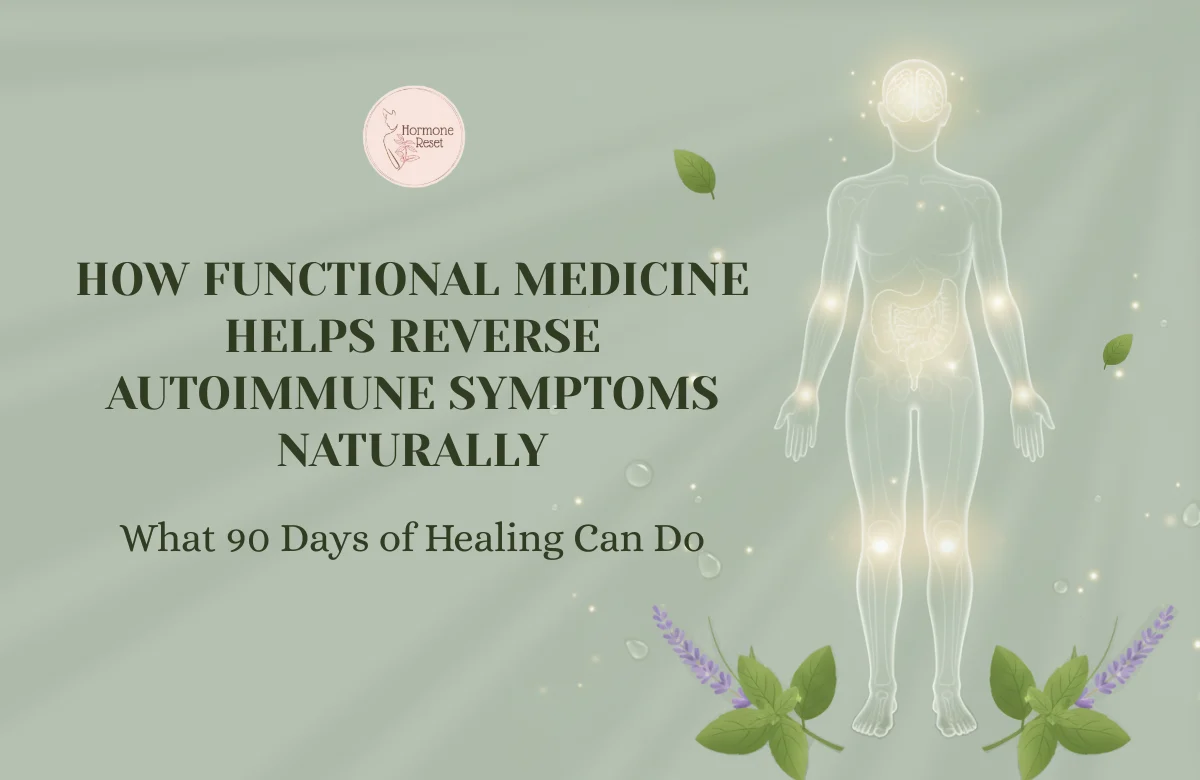
    How Functional Medicine Helps Reverse Autoimmune Symptoms Naturally — What 90 Days of Healing Can Do

    In India today, an increasing number of people are waiting months—or even years—for relief from autoimmune conditions such as Hashimoto’s thyroiditis, Rheumatoid arthritis, Psoriasis, or Lupus. Many feel trapped in symptom-management loops: the medication helps, the flare-ups return, fatigue lingers, and labs bounce. But what if the answer wasn’t just managing the immune attack—but rewinding it? That’s the promise of functional medicine. In this article, we dive into how functional medicine in India is being used to go beyond surface care and build a 90-day healing strategy for autoimmune symptoms.

    How functional medicine supports natural healing in autoimmune conditions

    Why Autoimmune Conditions Are Rising in India

    India is navigating a complex health scenario: while infectious diseases still demand attention, non-communicable and immune-mediated disorders are surging. For example, recent reporting indicates that nearly 70% of autoimmune disease patients in India are women, due to hormonal, environmental, and lifestyle factors. The Times of India

    Meanwhile, a 2021 panel of experts noted that functional medicine may help reverse chronic and autoimmune diseases by addressing root causes rather than simply suppressing symptoms. ETHealthworld.com
    Key drivers in India include:

    • Urbanisation and sedentary behaviours
    • A well-balanced traditional diet is turning into processed food loaded with refined carbohydrates and trans fats, etc.
    • Environmental toxicity, air and indoor pollution (impacting the immune and respiratory systems)
    • Delayed diagnosis or fragmented care in autoimmune cases
    • Stress, poor sleep, chronic infections, and gut dysbiosis (often unaddressed)
      In such a backdrop, functional medicine—which emphasises root-cause discovery and personalised protocols—is increasingly relevant for autoimmune health.

    What is Functional Medicine — A Root-Cause Approach

    Functional medicine is a systems-based, patient-centred model that seeks to identify why the body is mis-regulating, rather than only what is mis-regulating. It is especially relevant for complex conditions like autoimmunity, where multiple systems (gut, hormones, inflammation, immune regulation) interact.
    In India, functional medicine clinics emphasise: personalised history + advanced lab testing + tailored nutrition + lifestyle optimisation + targeted root cause solutions. For example, Indian clinics describe root causes as gut-health imbalance, toxin exposure, chronic infections, and hormonal disruption.

    Unlike conventional medicine that might prescribe immunosuppressants or symptomatic relief, functional medicine asks:

    • What triggered the immune system to misfire?
    • Which body systems are exhausted or overloaded?
    • What lifestyle or environmental exposures keep the inflammation active?

    Thus, the function-medicine approach can often complement conventional treatment and, over time, reduce flare-ups, medication dependency, and improve life quality.
    Discover how our clients transformed their health with Hormone Reset. Read their success stories!

    The 90-Day Healing Framework: What It Typically Includes

    While every individual is unique, a structured 90-day framework gives a realistic timeline for meaningful improvement in autoimmune symptoms. Here’s a typical blueprint:

    Days 1-30: Stabilise & Reset

    • Comprehensive assessment: full history, gut/hormone/immune labs
    • Elimination or anti-inflammatory nutrition plan (e.g., whole foods, reduced gluten/processed sugar)
    • Gut health: identify and address issues and imbalances related to stomach acid production, enzyme output, imbalances and overgrowths of bacteria, fungus and parasites in the gut, and heal the gut lining with probiotics, prebiotics, nutrients like zinc or L-glutamine, etc
    • Detoxify and  reduce environmental triggers (pollution exposure, indoor smoke, toxins)
    • Begin supportive lifestyle changes: consistent sleep, stress reduction (meditation or yoga)

    Days 31-60: Rebuild Systems

    • Reintroduce nutrient-dense foods adapted to the Indian diet (e.g., legumes, regional vegetables, healthy fats)
    • Hormone optimisation: adrenal/thyroid support if needed
    • Detoxification support: liver/gut/lifestyle practice
    • Moderate exercise and movement to support immune regulation
    • Monitor labs and symptoms to adapt the plan

    Days 61-90: Reinforce & Integrate

    • Immune retraining: focus on balance, not suppression (e.g., micronutrients like vitamin D, omega-3, curcumin)
    • Full integration of lifestyle: stress management, sleep hygiene, movement rhythm
    • Transition to sustainable habits rather than a “temporary fix”
    • Reassess labs and symptoms: aim to reduce flare-ups, stabilise immune markers, improve quality of life

    This 90-day timeframe is not a “cure guarantee”, but most patients report meaningful symptom reduction, fewer flares, and greater energy in this period. Clinics in India emphasise root-cause treatment over quick fixes. 

    Key Root-Cause Factors That Functional Medicine Targets

    Understanding what triggers the “autoimmune misfire” is key. Functional medicine often focuses on:

    Gut Health & Microbiome

    Overgrowth of the microbial/fungal/parasitic populations in the gut leads to higher gut toxicity and resultant immune system overactivation. This often leads to a compromised gut barrier (“leaky gut”), which in turn allows undigested food molecules and toxins into the bloodstream, triggering further immune dysregulation. Functional medicine emphasises gut healing via diet, targeted supplements, herbs, probiotics, and lifestyle.

    Toxin Load & Environment

    In India, heavy metal exposure, industrial pollutants, indoor air pollution, and chronic toxin load contribute to immune stress. Functional medicine aims to remove or reduce these exposures and support detox pathways. ETHealthworld.com

    Nutrient & Hormone Imbalances

    Vitamin D deficiency, omega-3 shortfall, thyroid/adrenal stress, and hormone imbalance all affect immune regulation. For example, research shows lower levels of vitamin D is linked with increased autoimmunity. arXiv

    Chronic Stress & Sleep Disturbance

    Chronic psychological stress elevates cortisol, dysregulates immunity, and triggers flares. The positive impact of mind-body practices like yoga for autoimmune disorders has been documented in India and globally. PubMed

    What Results Can You Realistically Expect in 90 Days?

    Let’s set realistic expectations:

    • Significant Symptom reduction: fewer flare-ups, less fatigue, better mood, and sleep
    • Improved lab markers: reduced inflammation (CRP), stabilised thyroid/hormone values, better gut health parameters
    • Reduced medication dependency: under supervision, some patients manage to reduce flare-prevention doses
    • Empowerment and sustainable habits: shift in diet, stress, lifestyle that supports long-term wellness

    Importantly, “reverse” does not always mean disease extinction, but rather “long-term remission”, improved quality of life and root-cause control. Indian reports suggest functional-medicine practitioners believe many chronic/autoimmune issues can be reversed if the root causes are identified and addressed. ETHealthworld.com

    Choosing the Right Functional Medicine Practitioner in India

    If you decide to pursue this route, here is a checklist:

    • Certified training in functional/integrative medicine (and experience in autoimmune cases)
    • Uses advanced diagnostics (gut, hormone, toxins), not just standard labs
    • Offers personalised nutrition, lifestyle + environmental support—not just supplements
    • Transparent about costs, time frame, and realistic outcomes
    • Encourages collaboration with your conventional medical provider (especially for medications)

    Frequently Asked Questions About Functional Medicine for Autoimmune Healing

    Can Functional Medicine Really Help Improve Autoimmune Conditions?

    Functional medicine does not promise a cure, but it helps many people experience significant relief by addressing the underlying triggers of autoimmunity. Instead of only controlling flare-ups, this approach works on improving gut health, reducing inflammation, balancing hormones, and calming an overactive immune system. As these root causes are addressed, most individuals begin noticing fewer symptoms and better energy within the first 90 days.

    How Is Functional Medicine Different From Conventional Treatment?

    Conventional care often focuses on symptom control through medications that suppress the immune response. Functional medicine, on the other hand, asks why the immune system is misfiring in the first place. By identifying factors such as nutrient deficiencies, environmental toxins, gut imbalance, stress, and hidden inflammation, it builds a personalised plan that restores balance rather than masking symptoms.

    What Conditions Can Benefit From a Functional Medicine Approach?

    Many autoimmune conditions—such as Hashimoto’s thyroiditis, Rheumatoid arthritis, Psoriasis, Lupus, and IBD—respond well to a root-cause strategy. People dealing with chronic fatigue, digestive discomfort, skin flare-ups, joint stiffness, or recurring inflammation often see improvements because functional medicine looks at the whole body, not just the affected organ.

    What Kind of Results Can I Expect in 90 Days?

    Ninety days is generally enough time for patients to experience a noticeable reduction in flare-ups, better sleep, improved digestion, balanced energy, and more stable lab values. While complete reversal takes time and varies from person to person, most people feel more in control of their health and see their symptoms becoming less intense and less frequent.

    Do I Need to Stop My Current Medications?

    No. Functional medicine works alongside conventional treatment. Medications should never be stopped without medical supervision. Over time, as the body stabilises and inflammation reduces, some individuals are able to lower their dosages—but only under the guidance of their primary doctor.

    Why Are Autoimmune Diseases Increasing So Fast in India?

    A combination of factors—processed foods, sedentary routines, pollution, chronic stress, gut imbalance, and nutrient deficiencies—are placing extra strain on the immune system. Women are especially affected because of hormonal fluctuations and higher exposure to certain lifestyle stressors. Functional medicine addresses these everyday triggers that conventional care often overlooks

    What Does a Functional Medicine Plan Typically Include?

    A functional medicine protocol usually begins with a detailed assessment and advanced testing. This is followed by a nutrient-rich, anti-inflammatory food plan, gut-healing support, detoxification guidance, stress and sleep optimisation, and personalised supplements where needed. The plan evolves over 90 days based on the individual’s progress and lab results, making it highly customised.

    How Do I Choose the Right Functional Medicine Practitioner?

    A trustworthy practitioner will have recognised training, experience with autoimmune cases, and a clear diagnostic approach. They will offer personalised nutrition and lifestyle support instead of relying heavily on supplements. They should also be transparent about your timeline, costs, and expected results, and encourage coordination with your existing healthcare providers.

    Final Takeaway

    Autoimmune conditions pose serious challenges—but they also respond differently when treated via root-cause, system-based care. In India, where lifestyle, environment, and nutrition often conspire against immune balance, a 90-day functional-medicine framework offers a clear path to improvement: symptom reduction, immune stabilisation, and lifestyle transformation. If you’re living with autoimmunity and feeling stuck in reactive treatment cycles—this approach may help you move toward true healing, not just management.

    👉 If you’d like to feel more in control of your health again, you’re welcome to connect with us at Hormone Reset.

    References

    1. “Functional, Bio Regulatory Medicine is the advanced version.” ET HealthWorld
    2. Yoga in autoimmune disorders: a systematic review of RCTs.” PubMed. 2025. 
    3. Autoimmune Disease Treatment with Functional Medicine” – Freedom Age (India). February 2025. 
    4. Functional Medicine for Autoimmune Disease Management” -Revital Trichology & Wellness. 
    5. What is Functional Medicine India?” -Doctor Anjali Hooda Sangwan, LiveNutrifit.
    6. Roy S, Bagchi B. “Vitamin D sensitivity to the immune responses and autoimmunity: ArXiv

    Please subscribe to our social channels for updates related to functional medicines.
    Instagramthehormonereset
    FacebookHormone Reset
    YouTubeHormone Reset Program
    LinkedInHormone Reset

  • Thyroid Function: 5 Reasons Normal Labs Don’t Guarantee True Health

    Thyroid Function: 5 Reasons Normal Labs Don’t Guarantee True Health

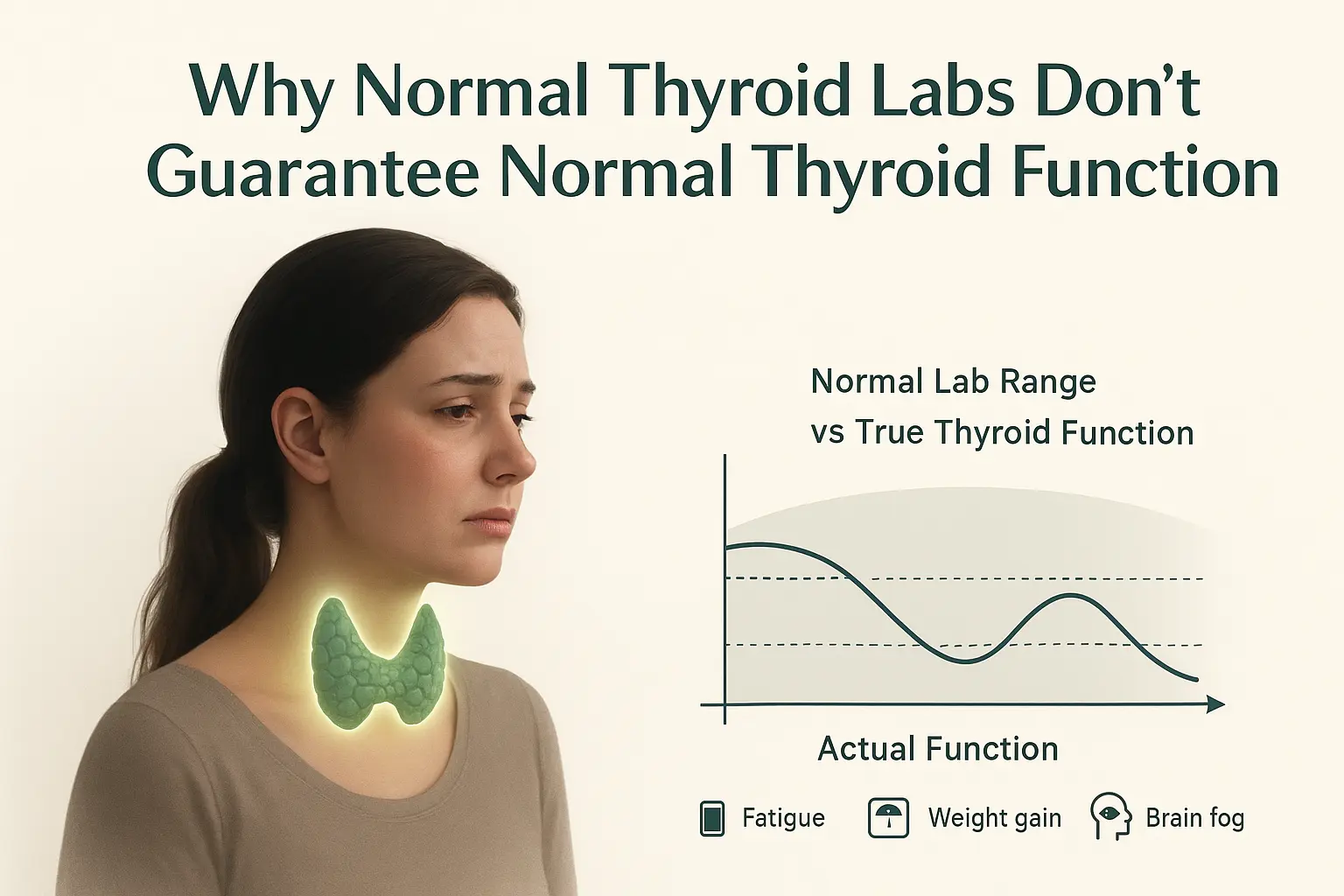
    Many women and men feel constantly fatigued, struggle with weight, or notice mood swings — yet routine thyroid labs often appear “normal.” This disconnect can be confusing and frustrating. Understanding how thyroid function interacts with hormones, metabolism, and lifestyle factors is key to recognizing subtle imbalances before they affect energy, mood, and overall well-being.

    How Thyroid Hormones Work

    The thyroid produces hormones that regulate metabolism, energy, and mood. While T4 is the main hormone released, it is inactive and must convert into the active form, T3, to influence your body effectively.

    • T4 → T3 conversion is critical for energy production and metabolic efficiency
    • T3 affects brain function, metabolism, and fatigue levels- literally everything in the body.
    • Conversion can be influenced by stress, diet, lifestyle habits, and many other factors like liver function, etc. 
    • The availability of T3 can be affected by the amount that is bound up by the binding globulins. Hence, measuring Free T3 is also needed.

    Even when labs measure TSH or T4 levels and appear “normal,” subtle dysfunction in T3 conversion or hormone utilization can lead to fatigue and other symptoms.


    Why Labs Might Look “Normal”

    Routine thyroid tests often focus on TSH or T4 alone, which can miss early or subtle dysfunction. Several factors can influence lab results:

    • Timing of the test (morning vs. afternoon)
    • Temporary stress or illness
    • Nutritional deficiencies
    • Minor metabolic disruptions that don’t appear on standard panels

    This is why some individuals feel symptoms even when tests suggest everything is fine.

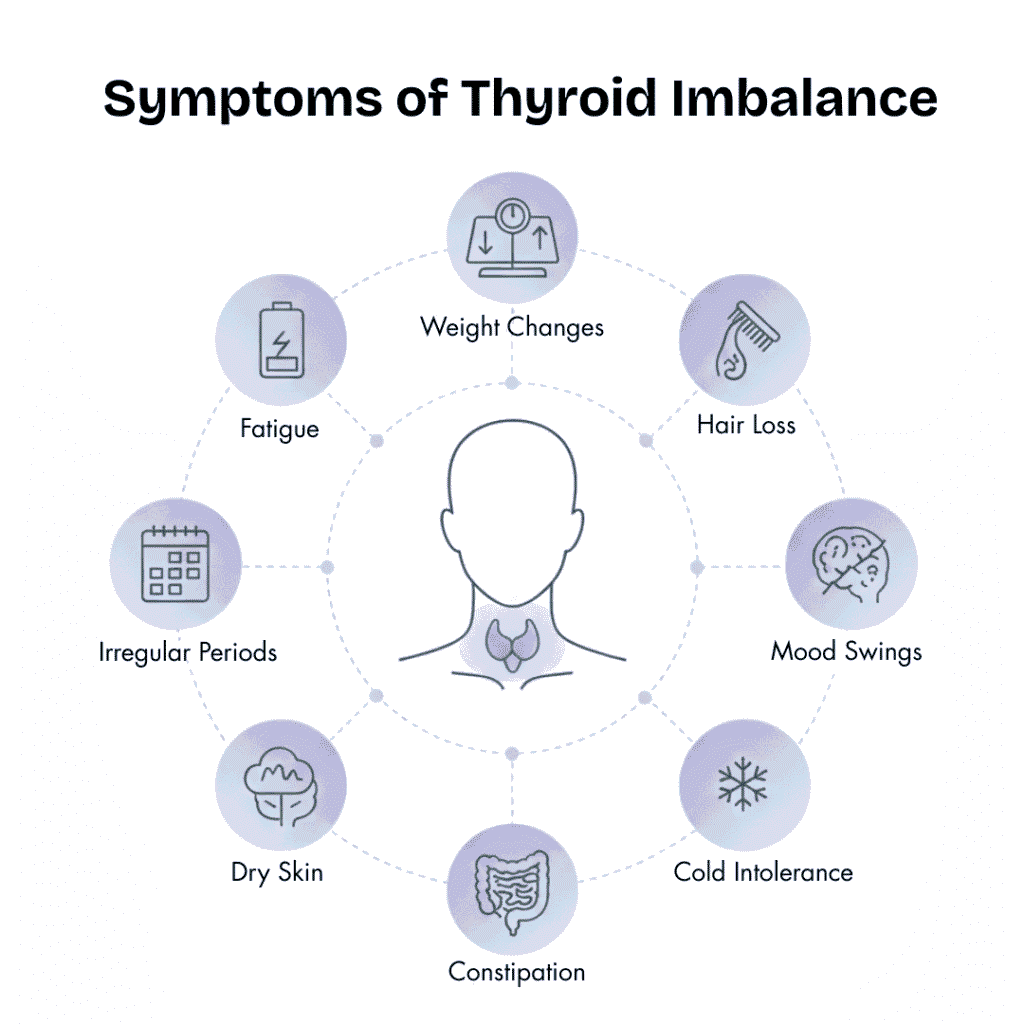
    Thyroid Function : Thyroid Imbalance symptoms

    Subtle Symptoms That Often Go Unnoticed

    Thyroid imbalance doesn’t always trigger obvious lab alerts. Early signs can include:

    • Persistent fatigue, especially after meals
    • Brain fog or difficulty concentrating
    • Afternoon energy slumps
    • Mood swings or irritability
    • Minor, unexplained weight fluctuations

    Even mild symptoms can indicate that your thyroid is not functioning optimally, despite normal lab values.

    Lifestyle & Functional Factors Influencing Thyroid

    Functional medicine emphasizes understanding root causes beyond standard labs. Some of the factors that can subtly impact thyroid hormone function are:

    • Stress: High cortisol levels can reduce T4 → T3 conversion
    • Nutrition: Deficiencies in selenium, iodine, or zinc can affect both conversion and  metabolism
    • Sleep disruption: Inconsistent sleep can impact hormone balance
    • Gut health & inflammation: Chronic issues may influence thyroid function indirectly

    Thyroid Hormones – Bound vs Free

    • Bound Hormones: Attached to proteins, inactive, measured in standard lab tests.
    • Free Hormones: Unbound, active, ready to fuel your cells.
    • Why it matters: Only free hormones regulate energy, metabolism, and mood. Even with normal labs, low free hormone levels can leave your body starved for thyroid activity.

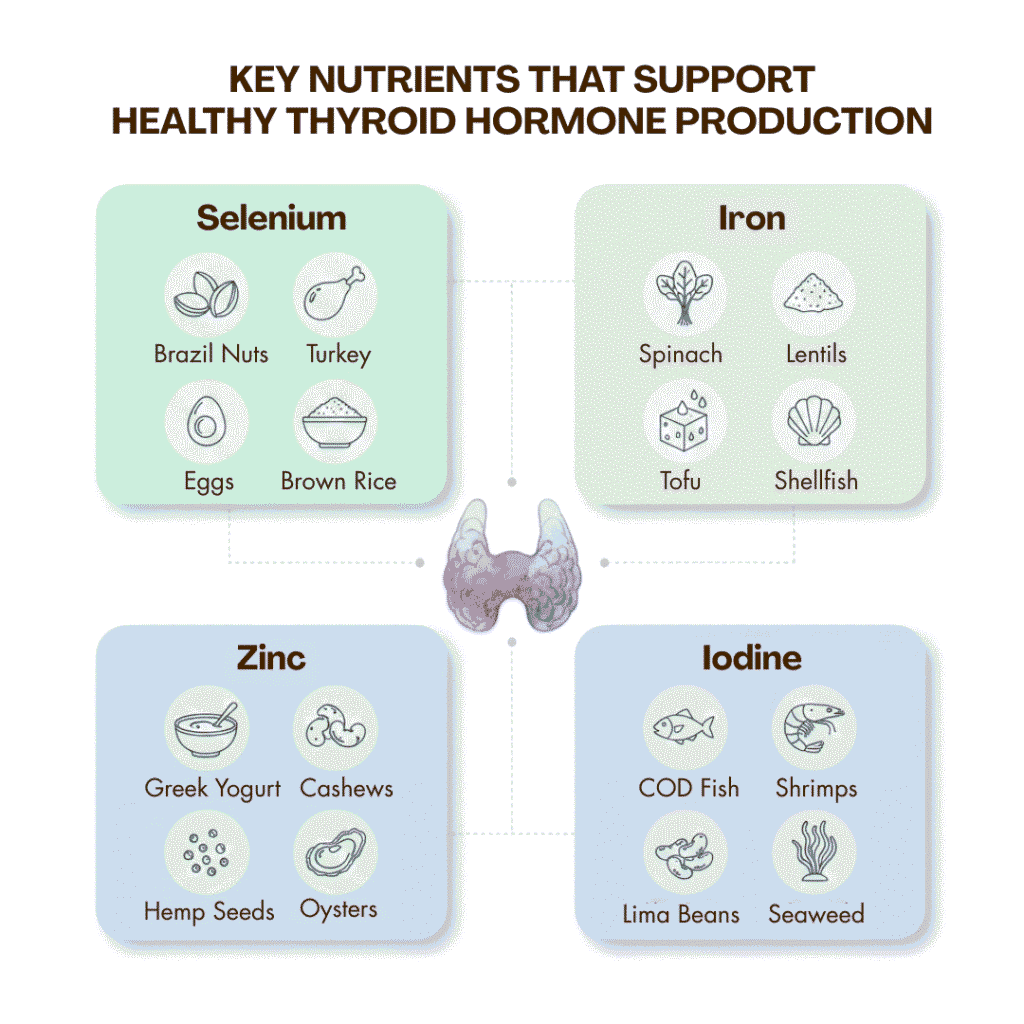
    Key Nutrients That Support Healthy Thyroid Hormone Production

    Thyroid Function: Healthy diet

    The thyroid requires certain nutrients and vitamins to function optimally:

    • Minerals: Iron, Iodine, Tyrosine, Zinc, Selenium
    • Vitamins: E, B2, B3, B6, C, D
    • Why it matters: Deficiencies can slow hormone production, leading to fatigue, low energy, and sluggish metabolism.
    • Practical Tip: Include leafy greens, eggs, nuts, seeds, and seafood to naturally support thyroid health.

    Factors That Can Reduce Thyroid Hormone Production

    Certain conditions or exposures can decrease your thyroid’s hormone output:

    • Lifestyle & environmental factors: stress, infections, trauma, medications, radiation, fluoride, toxins
    • Health conditions: autoimmune diseases
    • Signs of reduced hormone production: fatigue, mood swings, unexplained weight changes

    T4 → T3 Conversion: How Your Thyroid Makes Hormones Active

    • The thyroid releases T4 (inactive), which must be converted into T3 (active) to fuel cells efficiently.
    • Supports Conversion: Selenium and Zinc
    • Blocks Conversion / Increases Reverse T3: Stress, trauma, low-calorie diets, inflammation, toxins, infections, liver/kidney issues, or certain medications

    Improving How Your Cells Respond to Thyroid Hormones

    Even if hormone levels are normal, cells must respond properly to them for energy and metabolism:

    • Supports Cellular Sensitivity: Vitamin A, Zinc, and regular exercise
    • Lifestyle Factors: Prioritize consistent sleep, a balanced diet, and stress management
    • Outcome: Ensures thyroid hormones reach your cells effectively, regulating energy, metabolism, and overall well-being

    Practical Steps to Support Thyroid Function

    Even without abnormal labs, small lifestyle adjustments can support optimal thyroid function:

    • Balanced diet: Include protein, fiber, and micronutrients to stabilize blood sugar and hormone function
    • Daily movement: Light resistance training or walking improves metabolism
    • Sleep hygiene: Prioritize 7–8 hours of consistent sleep
    • Stress management: Mindfulness, journaling, or breathing exercises help reduce cortisol
    • Monitor symptoms: Track energy patterns, mood, and cravings to notice subtle imbalances

    These actions support hormone balance and metabolic health, providing noticeable improvements over time.

    Conclusion

    Normal thyroid labs don’t always guarantee optimal thyroid function. Subtle disruptions in hormone conversion, lifestyle factors, and stress can affect energy, mood, and metabolism. Understanding these patterns empowers you to notice early signals and take actionable steps toward better hormone health.
    At Hormone Reset, we guide individuals to understand metabolic and hormone patterns using functional approaches — emphasizing lifestyle, nutrition, and energy optimization without relying solely on routine lab tests.

    References:

    https://pmc.ncbi.nlm.nih.gov/articles/PMC9987447/ PMC
    https://pmc.ncbi.nlm.nih.gov/articles/PMC5075641/ PMC
    https://pmc.ncbi.nlm.nih.gov/articles/PMC3356062/ PMC
    https://pubmed.ncbi.nlm.nih.gov/30029851/ PubMed
    https://pubmed.ncbi.nlm.nih.gov/35015701/ PubMed

    FAQs: Understanding Thyroid Function Beyond Lab Tests

    1. Can I have thyroid issues even if my blood tests are normal?

    Yes. Subtle thyroid imbalances can occur due to T3 conversion issues, lifestyle factors, or stress, which routine labs may not detect. Paying attention to energy, mood, and metabolism is key.

    2. What are early signs of thyroid imbalance to watch for?

    Common patterns include persistent fatigue, brain fog, mood swings, afternoon energy slumps, and unexplained weight changes, even if lab results appear normal.

    3. How can lifestyle influence thyroid function?

    Balanced nutrition, regular sleep, stress management, and moderate exercise all support healthy thyroid metabolism and hormone balance. Small adjustments often make a noticeable difference in energy levels.

    4. Can stress or sleep affect thyroid labs?

    Yes. Stress hormones like cortisol and disrupted sleep can impact T4 → T3 conversion, which may cause symptoms even when standard lab values seem normal.

    5. Where can I learn more about supporting hormone balance naturally?

    For educational insights on hormone and metabolic patterns, you can explore Hormone Reset, which focuses on functional approaches to energy, metabolism, and hormone balance.

  • Is Functional Medicine a Science or Just Pseudoscience?

    Is Functional Medicine a Science or Just Pseudoscience?

    Functional medicine has become a buzzword in the world of healthcare, especially among those seeking answers for chronic and autoimmune disorders. But as its popularity grows, so does the debate: is functional medicine a legitimate science, or is it just another form of pseudoscience? In this article, we’ll explore the evidence, research, and common misconceptions to help you make an informed decision. Our focus is on patients dealing with autoimmune diseases and chronic conditions, aiming to provide clarity and expert insights.

    What is Functional Medicine?

    Functional medicine is a patient-centered, systems-oriented approach to healthcare. Unlike conventional medicine, which often addresses symptoms in isolation, functional medicine seeks to identify and treat the root causes of illness. Practitioners spend time understanding the patient’s lifestyle, genetics, environment, and medical history to create personalized treatment plans. This approach is particularly relevant for chronic and autoimmune diseases, where symptoms may have multiple, interconnected causes.

    The Scientific Foundations of Functional Medicine

    Is functional medicine scientific? At its core, functional medicine draws from established scientific disciplines such as biochemistry, physiology, genetics, and nutrition. It emphasizes evidence-based interventions, including dietary changes, lifestyle modifications, stress management, detoxification, and targeted supplementation. Most functional medicine protocols are informed by peer-reviewed research and clinical guidelines, especially in areas like gut health, inflammation, and metabolic function.

    Common Criticisms and Misconceptions

    Despite its scientific roots, functional medicine faces criticism. Some skeptics argue that it lacks large-scale clinical trials or that it relies too heavily on alternative therapies. Others label it as pseudoscience due to the inclusion of non-traditional treatments. However, much of the criticism stems from misunderstandings about what functional medicine actually entails. It is not a rejection of conventional medicine, but rather an expansion—incorporating new research and a broader understanding of how lifestyle and environment impact health.

    Functional Medicine vs. Conventional Medicine

    Functional medicine and conventional medicine differ in their approach to diagnosis and treatment. Conventional medicine is highly effective for acute conditions, emergencies, and infections, often using standardized protocols and pharmaceuticals. Functional medicine, on the other hand, excels in managing complex, chronic illnesses by considering the interplay of multiple factors. For example, instead of prescribing medication for autoimmune symptoms alone, a functional medicine doctor may investigate gut health, environmental toxins, and stress levels to address underlying contributors.

    Functional Medicine for Autoimmune and Chronic Conditions

    Functional medicine is particularly beneficial for patients with autoimmune diseases and chronic illnesses. These conditions often involve multiple systems and require a comprehensive approach. By focusing on root causes—such as inflammation, nutrient deficiencies, hormonal imbalances, and lifestyle factors—functional medicine offers hope for long-term improvement rather than just symptom management. Many patients report significant benefits, including reduced symptoms, improved quality of life, and even remission.

    Is Functional Medicine a Science or Just Pseudoscience

    What Does the Research Say?

    The science behind functional medicine is growing. Numerous studies support the effectiveness of interventions commonly used in functional medicine, such as anti-inflammatory diets, gut microbiome restoration, stress reduction, detoxification and personalized nutrition. For example, research published in journals like Nutrition Reviews and Frontiers in Immunology highlights the role of diet and lifestyle in modulating immune function and chronic disease risk. While more large-scale, randomized trials are needed, the current evidence base is promising and continues to expand.

    Patient Success Stories

    Beyond the research, patient success stories provide compelling evidence for the effectiveness of functional medicine. Many individuals with autoimmune or chronic conditions have experienced dramatic improvements through root-cause analysis and personalized care. These stories, while anecdotal, reflect a growing trend: patients who felt hopeless or underserved by conventional approaches are finding new answers and better outcomes with functional medicine.

    How to Find a Qualified Functional Medicine Practitioner

    If you’re considering functional medicine, it’s essential to work with a qualified practitioner. Look for practitioners who are certified by reputable organizations such as the School of Applied Functional Medicine (SAFM) and who have experience treating your specific condition. At Hormone Reset, our expert team specializes in functional medicine for chronic conditions, hormonal imbalances, and autoimmune disorders, offering online consultations worldwide.

    Frequently Asked Questions (FAQ)

    ●  Is functional medicine evidence-based? Yes, interventions are grounded in peer-reviewed research and clinical experience.

    ●  What conditions can functional medicine treat? It is especially effective for all types of chronic and autoimmune diseases, but also supports general wellness very effectively.

    ●  How is functional medicine different from conventional medicine? It focuses on root causes and personalized care, rather than just symptom management.

    ●  Are functional medicine doctors real doctors? Yes, most practitioners are licensed medical doctors with additional training in functional medicine.

    ●  What does the research say about functional medicine? The evidence base is growing, with studies supporting its approach, especially in chronic disease treatment.

    Conclusion: The Future of Functional Medicine

    So, is functional medicine a science or just pseudoscience? The answer lies in its foundation: functional medicine is built on scientific principles, evidence-based interventions, and a commitment to individualized care. While it may not fit the conventional mold of medicine, it offers a valuable and scientifically grounded approach for patients with complex, chronic conditions. As research continues to evolve, functional medicine is poised to play an increasingly important role in the future of healthcare.

    Ready to learn more or start your journey with functional medicine? Contact our team at Hormone Reset for expert guidance and personalized care.

    References

    1. Institute for Functional Medicine (IFM). What is Functional Medicine? Available at: https://www.ifm.org/functional-medicine/
    2. Deanna M. Minich. “A Review of the Science of Colorful, Plant-Based Foods and Practical Strategies for ‘Eating the Rainbow’.” Nutrition Reviews, Volume 78, Issue 7, July 2020, Pages 579–593. Available at: https://academic.oup.com/nutritionreviews/article/78/7/579/5815751
    3. Valeria D’Argenio. “The Role of the Gut Microbiome in the Healthy Adult Status.” Frontiers in Immunology, 2018. Available at: https://www.frontiersin.org/articles/10.3389/fimmu.2018.02793/full
    4. Cleveland Clinic Center for Functional Medicine. About Functional Medicine. Available at: https://my.clevelandclinic.org/departments/functional-medicine/about
    5. PubMed. Search results for “functional medicine clinical trials.” Available at: https://pubmed.ncbi.nlm.nih.gov/?term=functional+medicine+clinical+trial
  • What Does a Functional Medicine Specialist Do?

    What Does a Functional Medicine Specialist Do?

    In today’s world of fast-paced living and rising health challenges, people are searching for holistic ways to heal rather than just treating symptoms. This is where Functional Medicine steps in. If you’ve been searching for “Functional Medicine near me” or want a trusted Functional Medicine specialist in Bangalore, you’re already on the right path to wellness.

    Functional Medicine doctors don’t just give medicines to suppress symptoms; instead, they work with you to identify the root cause of your health concerns and create a personalized healing plan to address these root causes.

    What is Functional Medicine?

    Functional Medicine is a science-based approach that focuses on identifying the underlying causes of chronic illnesses. Instead of a “one-size-fits-all” treatment, it provides personalized healthcare based on your genetics, lifestyle, environment, and nutrition.

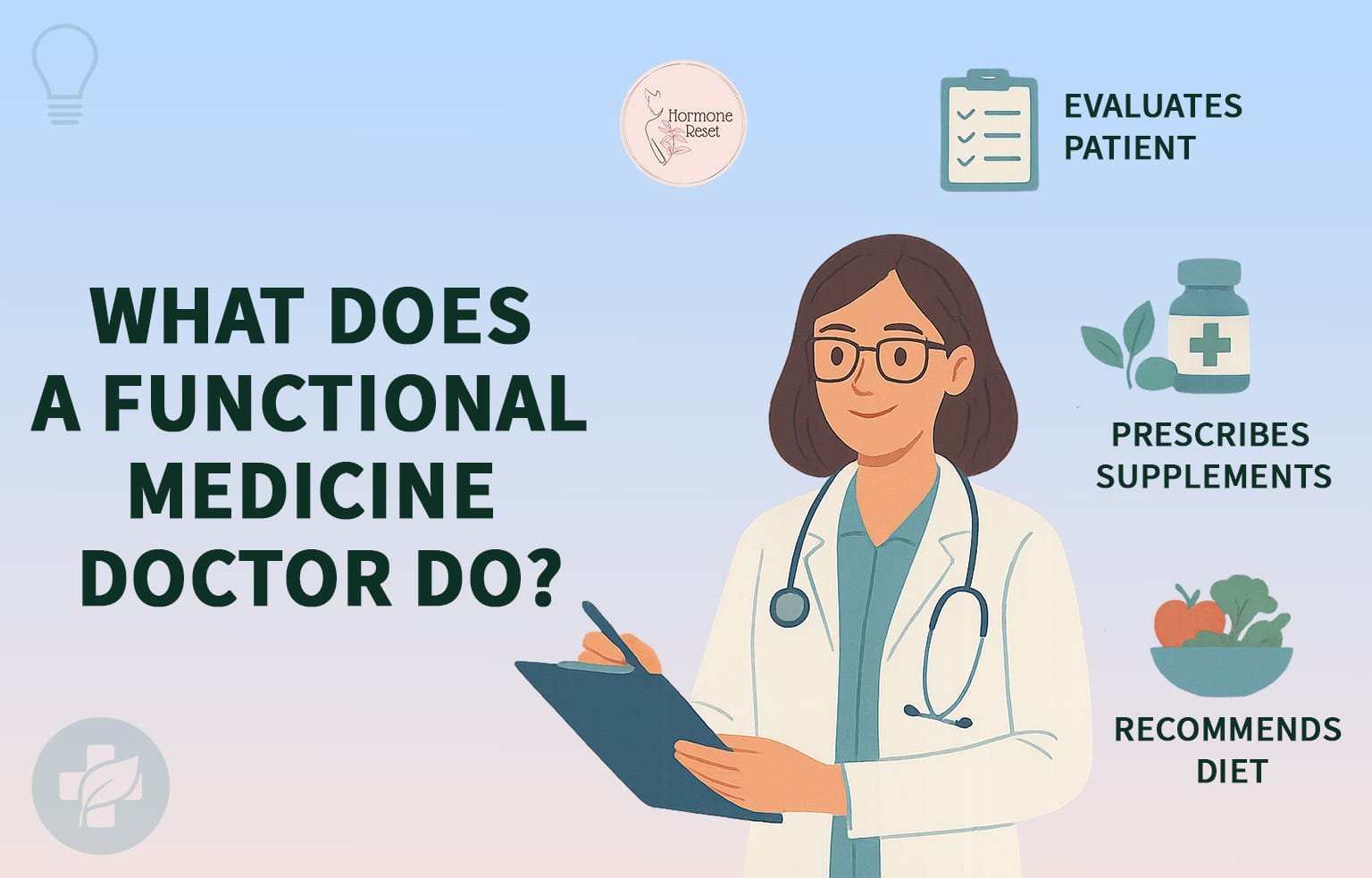
    What Does a Functional Medicine Doctor Do?

    A Functional Medicine specialist:

    • Listens deeply to your health history.
    • Identifies triggers like stress, food sensitivities, toxins, or hormonal imbalance.
    • Orders advanced lab tests for root cause analysis.
    • Creates a personalized treatment plan including diet, supplements, stress management, and lifestyle changes.
    • Works as your long-term partner in reversing or managing chronic conditions.

    This means when you search for Functional Medicine near me, you’re not just finding a doctor—you’re finding a guide for long-term health.

    Why Choose Functional Medicine in Bangalore?

    Bangalore is a hub for modern healthcare, but more people now seek Functional Medicine in Bangalore because of rising lifestyle-related illnesses such as diabetes, thyroid issues, and gut problems. A local Functional Medicine specialist makes it easier to get in-person consultations, while Functional Medicine online doctors offer the flexibility to connect from anywhere.

    Benefits of Consulting a Functional Medicine Specialist

    1. Root Cause Approach – Finds why your health issues started, not just treating symptoms.
    2. Personalized Care – Every treatment plan is tailored for your unique health profile.
    3. Preventive Focus – Helps you avoid diseases by improving lifestyle and nutrition.
    4. Holistic Healing – Integrates mind, body, and lifestyle for complete wellness.
    5. Flexibility – Available (Functional Medicine in Bangalore) online consultations.

    Functional Medicine Online Doctor – A Convenient Option

    If you are busy or not based in Bangalore, searching for a Functional Medicine online doctor is an excellent choice. Virtual consultations allow you to share health concerns, receive lab testing guidance, and get personalized plans from the comfort of your home

    How to Find the Best Functional Medicine Near Me?

    When searching for a Functional Medicine doctor near you, ensure that the specialist:

    • Has training in Functional Medicine principles
    • Focuses on patient-centered care.
    • Provides long-term follow-up and guidance.

    Book a Functional Medicine Consultation

    If you’re ready to begin your healing journey, you can easily book a Functional Medicine consultation or a quick query call to get personalized guidance for your health concerns.

    Hormone Reset & Patient Trust

    Many patients have trusted Functional Medicine hormone reset programs to regain energy, balance hormones, and improve long-term wellness, showing high satisfaction and lasting results.

    Expert Guidance with Dr. Ruhi and Siddarth Goel

    Under the guidance of Dr. Ruhi Agarwala and Sidharth Goel, a trusted Functional Medicine practitioner, patients experience transformative care. His expertise in hormone reset and root-cause healing makes him a reliable mentor in Functional Medicine.

    Conclusion

    Functional Medicine is the future of healthcare. Whether you’re seeking a Functional Medicine specialist in Bangalore or an online Functional Medicine doctor, you are taking a step toward true healing. Remember, health is not just about removing disease—it’s about creating balance and vitality in your life.

    FAQs

    1. What is Functional Medicine?
      • Functional Medicine is a root-cause approach to healthcare focusing on personalized treatment.
    2. How is a Functional Medicine specialist different from a regular doctor?
      • A Functional Medicine specialist finds the root cause of illness instead of only treating symptoms
    3. Can I find Functional Medicine near me in Bangalore?
      • Yes, Bangalore has several Functional Medicine specialists offering in-person and online care.
    4. Do Functional Medicine doctors offer online consultations?
      • Yes, you can consult a Functional Medicine online doctor from anywhere for personalized care.
    5. What health issues can Functional Medicine treat?
      • Functional Medicine helps with chronic issues like thyroid, diabetes, gut problems, stress, and more.

    Stay updated with the latest information on functional medicine

    Please subscribe to our social channels for updates related to functional medicines.


    Instagramthehormonereset
    FacebookHormone Reset
    YouTubeHormone Reset Program
    LinkedInHormone Reset

  • A Complete Guide to Reverse Hashimoto’s Thyroiditis by Functional Medicine

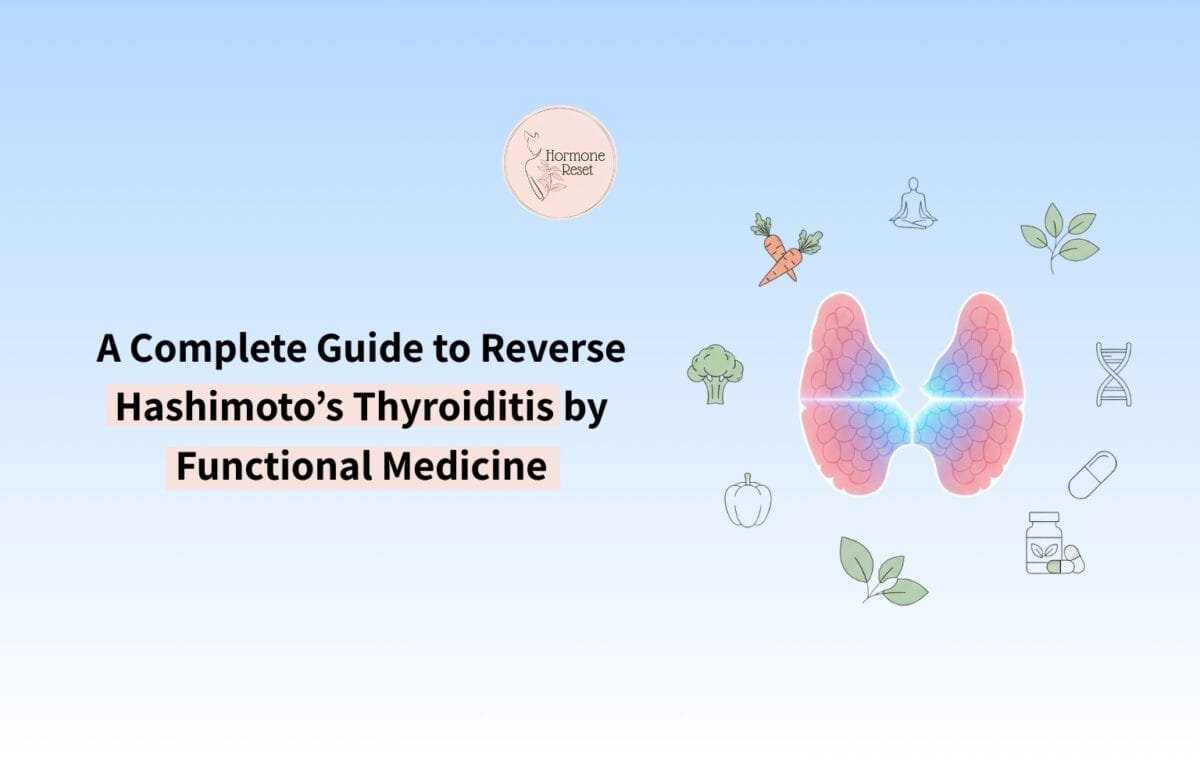
    A Complete Guide to Reverse Hashimoto’s Thyroiditis by Functional Medicine

    What is Hashimoto’s thyroiditis?

    image
    Hashimoto’s Thyroiditis

    Hashimoto’s Thyroiditis is an autoimmune condition in which the body’s immune system attacks the thyroid gland, resulting in hypothyroidism (low thyroid function). Common symptoms include fatigue, weight gain, brain fog, hair thinning, mood swings, and sensitivity to cold.

    Conventional treatment usually involves thyroid hormone replacement. While this helps manage hormone levels, it does not address the underlying triggers of autoimmunity. This is where functional medicine makes a difference.

    Why Choose Functional Medicine for Hashimoto’s Thyroiditis?

    A Hashimoto’s Thyroiditis functional medicine specialist focuses on finding and treating the root causes of thyroid dysfunction. Instead of masking symptoms, functional medicine investigates deeper imbalances, such as:

    • Nutrient deficiencies (Vitamin D, Selenium, Zinc, B12)
    • Gut health issues like leaky gut and microbiome imbalance
    • Chronic stress & adrenal fatigue
    • Food sensitivities (gluten, dairy, soy)
    • Environmental toxins and heavy metal exposure

    By addressing these triggers, functional medicine supports the immune system, reduces inflammation, and improves thyroid function naturally.

    Key Benefits of Functional Medicine for Hashimoto’s

    • Personalized care: Every patient has unique triggers, so treatments are customized.
    • Root cause healing: Focuses on restoring immune balance, not just replacing hormones.
    • Improved quality of life: Many patients experience better energy, focus, and weight balance.
    • Preventing progression: Reduces autoimmune activity and protects long-term thyroid health.

    What Does a Functional Medicine Specialist Do?

    If you are searching for functional medicine near me, look for a doctor experienced in autoimmune thyroid disorders. A functional medicine specialist will:

    1. Run detailed thyroid panels (TSH, T3, T4, antibodies).
    2. Test for gut health, nutrient status, and food sensitivities.
    3. Identify lifestyle triggers such as stress and toxins.
    4. Create a personalized treatment plan including:
      • Anti-inflammatory nutrition
      • Stress reduction techniques (yoga, meditation, breathwork)
      • Supplements to restore thyroid and immune balance
      • Detoxification strategies

    Lifestyle Tips for Hashimoto’s Patients

    Along with working with a Hashimoto’s Thyroiditis specialist, here are steps you can take at home:

    • Eat a thyroid-friendly diet: Include selenium-rich foods (Brazil nuts, eggs), zinc (pumpkin seeds), and omega-3s (salmon, flaxseed).
    • Support gut health: Probiotics, bone broth, and fiber-rich foods.
    • Manage stress: Daily meditation, journaling, or breathing exercises.
    • Exercise wisely: Gentle workouts like yoga and walking instead of excessive high-intensity training.
    • Avoid triggers: Gluten, processed foods, and refined sugar.

    Living Better with Functional Medicine

    Hashimoto’s can feel overwhelming, but you don’t have to struggle alone. A Hashimoto’s Thyroiditis functional medicine approach empowers you to take control of your health. By finding the right functional medicine specialist, you can heal from the inside out, restore balance, and improve your overall well-being.If you suspect Hashimoto’s Thyroiditis, consider consulting a functional medicine near me expert who understands autoimmune conditions and offers long-term solutions.

    Also Read: Biohacking: Types, Benefits & Beginner Hacks

    FAQ’s

    1. What is Hashimoto’s Thyroiditis?
      • Hashimoto’s Thyroiditis is an autoimmune disorder where the immune system attacks the thyroid gland. Over time, this causes hypothyroidism, leading to fatigue, weight gain, brain fog, and other symptoms.
    2. How does functional medicine help with Hashimoto’s Thyroiditis?
      • Functional medicine takes a root-cause approach. Instead of just prescribing thyroid hormone replacement, a functional medicine specialist looks at gut health, nutrient deficiencies, stress, and food sensitivities that may trigger autoimmunity.
    3. Can Hashimoto’s Thyroiditis be reversed with functional medicine?
      • While Hashimoto’s cannot always be fully reversed, many patients see significant improvements. A Hashimoto’s Thyroiditis functional medicine plan can reduce antibody levels, improve energy, balance hormones, and help manage symptoms naturally.
    4. How do I find a functional medicine specialist near me?
      • Search for a functional medicine near me provider with experience in thyroid and autoimmune conditions. Look for practitioners who offer advanced testing, nutrition counseling, and personalized care plans.
    5. What lifestyle changes support Hashimoto’s recovery?
      • Eating an anti-inflammatory diet (gluten-free, nutrient-dense foods)
      • Supporting gut health with probiotics
      • Managing stress through yoga, meditation, or breathwork
      • Avoiding processed foods and refined sugar
      • Regular thyroid monitoring with a functional medicine specialist
    6. Is medication still needed if I use functional medicine?
      • In many cases, patients still require thyroid medication. However, functional medicine supports the body in healing, which may optimize thyroid function and reduce reliance on higher doses. Always consult your Hashimoto’s Thyroiditis specialist before adjusting medications.

    Stay updated with the latest information on functional medicine

    Please subscribe to our social channels for updates related to functional medicines.
    Instagramthehormonereset
    FacebookHormone Reset
    YouTubeHormone Reset Program
    LinkedInHormone Reset