Category: Hormonal Imbalance

  • 5 Top-Rated Functional Medicine Supplements

    5 Top-Rated Functional Medicine Supplements

    Functional medicine is transforming the way we approach chronic health conditions and autoimmune disorders. By focusing on the root causes of illness and supporting the body’s natural healing processes, functional medicine offers a personalized path to better health. One of the cornerstones of this approach is the strategic use of high-quality supplements. 

    At Hormone Reset, India’s leading functional medicine clinic, we guide patients toward evidence-based supplement choices that are tailored to their unique needs. In this blog, we’ll explore the top-rated functional medicine supplements that support chronic disease recovery and optimal wellness.

    What Is Functional Medicine?

    Functional medicine is a patient-centered, science-based approach that looks beyond symptoms to identify and address the underlying causes of disease. Unlike conventional medicine, which often focuses on symptom management, functional medicine uses a holistic framework to understand how genetics, environment, and lifestyle factors contribute to chronic illness. Supplements play a key role in functional medicine by correcting key nutrient deficiencies, supporting biochemical pathways, and enhancing the body’s ability to heal.

    Why Supplements Matter in Functional Medicine

    Many chronic and autoimmune conditions are linked to nutrient deficiencies, inflammation, and imbalances in gut health. Supplements, when chosen wisely, can fill nutritional gaps, modulate inflammation, and restore balance. For example, research shows that patients with chronic conditions often lack essential nutrients like the B vitamins, vitamin D, magnesium, and omega-3 fatty acids. Adding these nutrients often improves their health significantly. Functional medicine supplements are selected based on individual needs, lab testing, and current scientific evidence—ensuring maximum safety and effectiveness.
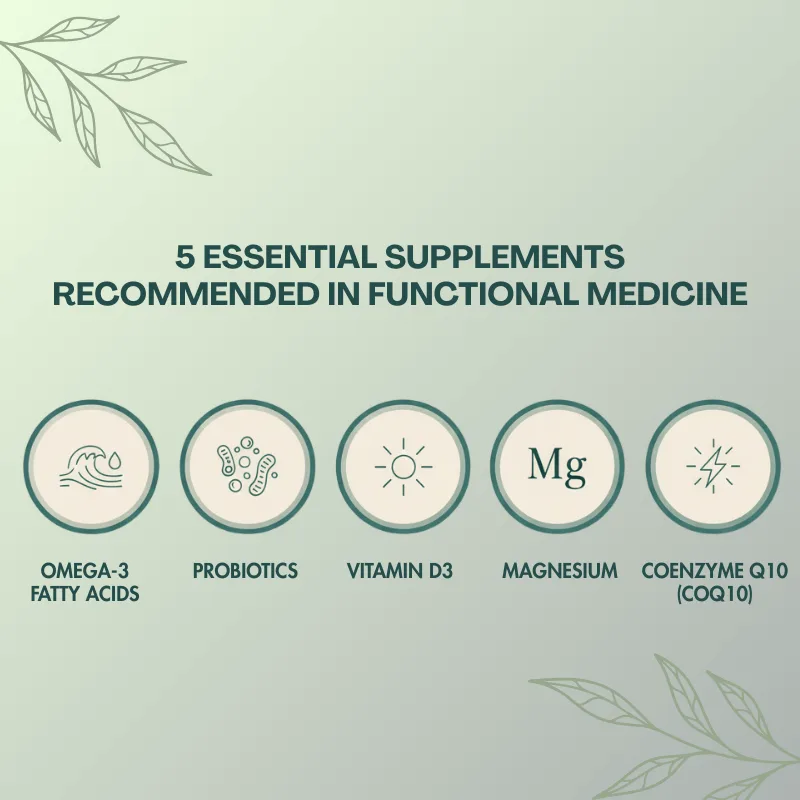
    Top 5 functional medicine supplements for immunity, gut, and hormone health

    Omega-3 fatty acids are vital for reducing inflammation, supporting cardiovascular health, and enhancing immune function. EPA and DHA, the biologically active forms of omega-3 fatty acids, help regulate inflammatory pathways, optimize cellular communication, and support cognitive function. Functional medicine research shows that people with autoimmune conditions, metabolic syndrome, or chronic inflammatory disorders often have low omega-3 levels, which can exacerbate disease activity. Incorporating omega-3s through dietary sources such as fatty fish or through supplements has been shown to reduce markers of inflammation, improve lipid profiles, and support overall wellness.

     Recommendation: Vitaone Triple Strength Omega 3, 60 Soft Gels, Autoimmunity Care Vegan Omega 3 Oil, 250 ML

    Probiotics are essential for maintaining a healthy gut microbiome, which plays a central role in digestion, nutrient absorption, immune regulation, and even mental health. A well-balanced microbiome strengthens the intestinal barrier, reduces systemic inflammation, and modulates immune responses. Disruptions due to antibiotics, stress, processed foods, or poor diet can lead to dysbiosis, contributing to digestive discomfort, fatigue, and chronic inflammation. Clinical studies highlight the benefits of multi-strain probiotics containing Lactobacillus and Bifidobacterium in restoring gut balance, enhancing nutrient absorption, and supporting immune resilience.

    Recommendation: FM Nutrition Opti-Biotic, Multi-strain Probiotics, 100 billion CFU, 60 Veg Capsules

    Vitamin D3 functions as both a vitamin and hormone, playing a critical role in immune modulation, bone health, and inflammatory control. Research indicates that vitamin D deficiency is widespread in India, due to limited sun exposure, high melanin content, indoor lifestyles, and environmental factors. Low vitamin D levels are associated with increased risk of autoimmune diseases, impaired bone density, and chronic inflammation. Functional medicine protocols emphasize testing serum vitamin D levels and tailoring supplementation to individual needs to optimize immune function, reduce inflammation, and support musculoskeletal health.

    Recommendation: Vitaone Vitamin D3 + K2-7, 90 Veg, Dr Gold Vitamin D3K2 I 60 Capsules

    Magnesium is a cofactor in over 300 enzymatic reactions and is essential for energy production, muscle relaxation, nerve signaling, stress management, and sleep quality. Modern diets, soil depletion, chronic stress, gastrointestinal disorders, and certain medications often lead to suboptimal magnesium levels. Clinical studies demonstrate that magnesium supplementation can alleviate muscle cramps, improve sleep patterns, reduce anxiety symptoms, and enhance cardiovascular health. Functional medicine practitioners recommend bioavailable forms such as magnesium glycinate or citrate to maximize absorption and physiological benefit.

    Recommendation: LivBio SuperMag Plus, Magnesium Supplement, 30 Veg Capsules

    Coenzyme Q10 (CoQ10) is a lipid-soluble antioxidant that plays a key role in mitochondrial energy production. It supports cardiovascular function, muscle performance, and neurological health by facilitating cellular ATP synthesis. CoQ10 levels naturally decline with age and can be further depleted by chronic illness, oxidative stress, or medications such as statins. Clinical studies highlight that CoQ10 supplementation may improve energy metabolism, reduce fatigue, enhance exercise tolerance, and protect cells from oxidative damage, making it a cornerstone in functional medicine protocols for cellular health and longevity.

    Recommendation: FM Nutrition Liposomal CoQ10, Ubiquinol 200mg, 30 Veg Capsules

    How to Choose the Right Supplements for You

    Supplementation should always be personalized. Functional medicine practitioners at Hormone Reset use detailed health histories, lab testing, and ongoing monitoring to create individualized supplement protocols. Avoid self-prescribing, as taking the wrong supplements or incorrect dosages can be harmful. Professional guidance ensures that supplements are safe, effective, and aligned with your health goals.

    Frequently Asked Questions About Functional Medicine Supplements

    Are supplements safe for everyone?

    Most supplements are safe when used appropriately, but some may interact with medications or underlying health conditions. Always consult a qualified practitioner.

    How long before you see results? 

    Some supplements work quickly (e.g., magnesium for muscle cramps), while others may take longer to show benefits. Consistency and professional monitoring are key.

    Can supplements replace medication? 

    Supplements can support healing but should not replace prescribed medications without medical supervision. Functional medicine integrates supplements with other therapies for comprehensive care.

    Conclusion

    Functional medicine supplements offer a powerful way to support healing, restore balance, and address the root causes of chronic and autoimmune disorders. At Hormone Reset, we combine expert guidance with evidence-based protocols to help you achieve optimal health. Ready to take the next step? Schedule a consultation with our functional medicine experts and discover a personalized path to wellness.

    This article is for informational purposes only and does not constitute medical advice. Always consult a qualified healthcare provider before starting any new supplement regimen.

    References

    1. The role of probiotic supplementation in inflammatory biomarkers in adults– National Library of Medicine
    2. Prevalence & potential significance of vitamin D deficiency in Asian Indians– Indian Journal of Medical Research
    3. Why You Should Consider Taking Omega-3 Supplements– NDTV
    4. Make no bones about it! Vitamin D deficiency a major worry, every 5th Indian suffers from it– Times of India
    5. The effects of coenzyme Q10 supplementation on biomarkers of exercise-induced muscle damage, physical performance, and oxidative stress–  National Library of Medicine
    6. The effect of omega-3 and vitamin E on oxidative stress and inflammation– National Library of Medicine

    Please subscribe to our social channels for updates related to functional medicines.
    Instagramthehormonereset
    FacebookHormone Reset
    YouTubeHormone Reset Program
    LinkedInHormone Reset

  • Thyroid Function: 5 Reasons Normal Labs Don’t Guarantee True Health

    Thyroid Function: 5 Reasons Normal Labs Don’t Guarantee True Health

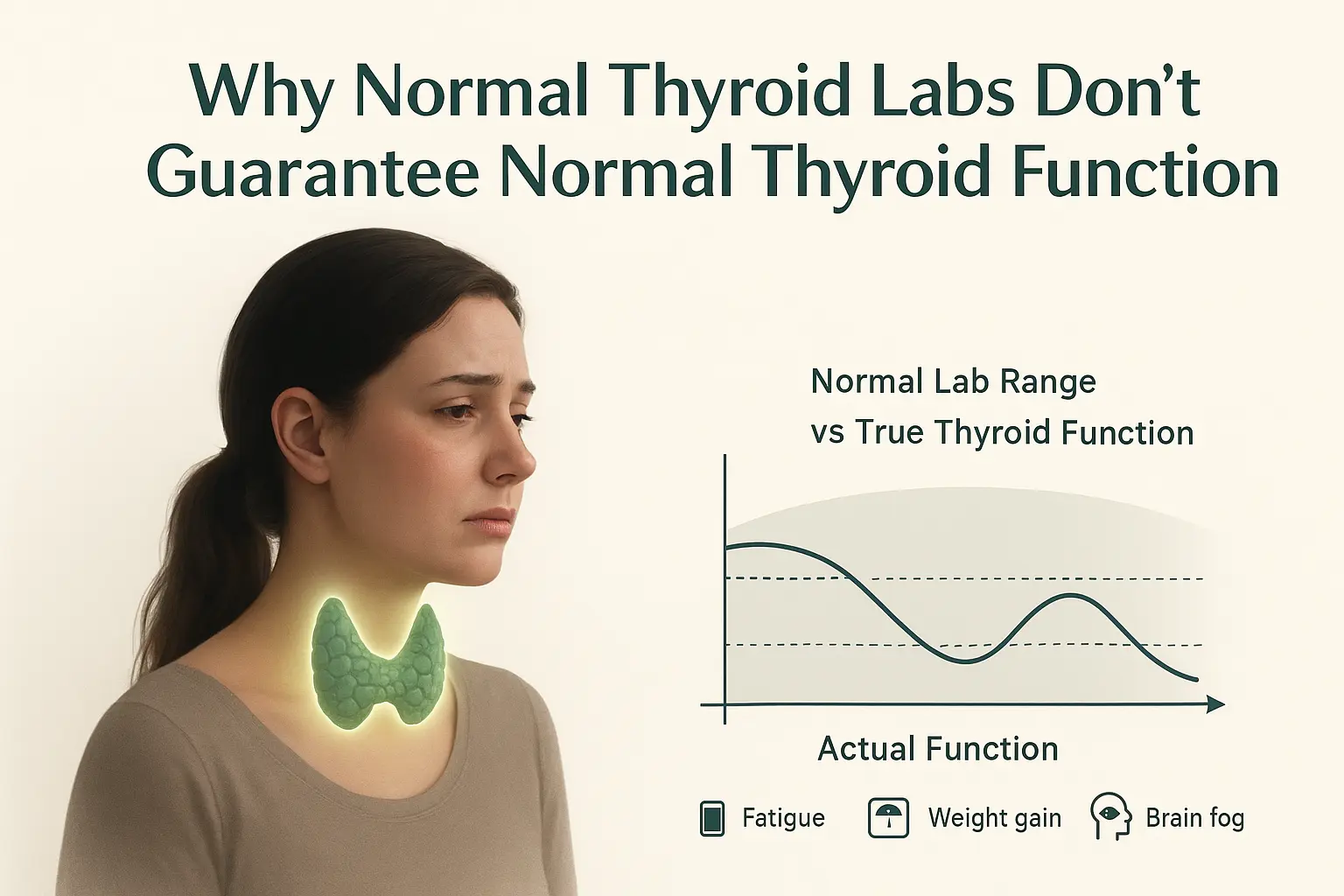
    Many women and men feel constantly fatigued, struggle with weight, or notice mood swings — yet routine thyroid labs often appear “normal.” This disconnect can be confusing and frustrating. Understanding how thyroid function interacts with hormones, metabolism, and lifestyle factors is key to recognizing subtle imbalances before they affect energy, mood, and overall well-being.

    How Thyroid Hormones Work

    The thyroid produces hormones that regulate metabolism, energy, and mood. While T4 is the main hormone released, it is inactive and must convert into the active form, T3, to influence your body effectively.

    • T4 → T3 conversion is critical for energy production and metabolic efficiency
    • T3 affects brain function, metabolism, and fatigue levels- literally everything in the body.
    • Conversion can be influenced by stress, diet, lifestyle habits, and many other factors like liver function, etc. 
    • The availability of T3 can be affected by the amount that is bound up by the binding globulins. Hence, measuring Free T3 is also needed.

    Even when labs measure TSH or T4 levels and appear “normal,” subtle dysfunction in T3 conversion or hormone utilization can lead to fatigue and other symptoms.


    Why Labs Might Look “Normal”

    Routine thyroid tests often focus on TSH or T4 alone, which can miss early or subtle dysfunction. Several factors can influence lab results:

    • Timing of the test (morning vs. afternoon)
    • Temporary stress or illness
    • Nutritional deficiencies
    • Minor metabolic disruptions that don’t appear on standard panels

    This is why some individuals feel symptoms even when tests suggest everything is fine.

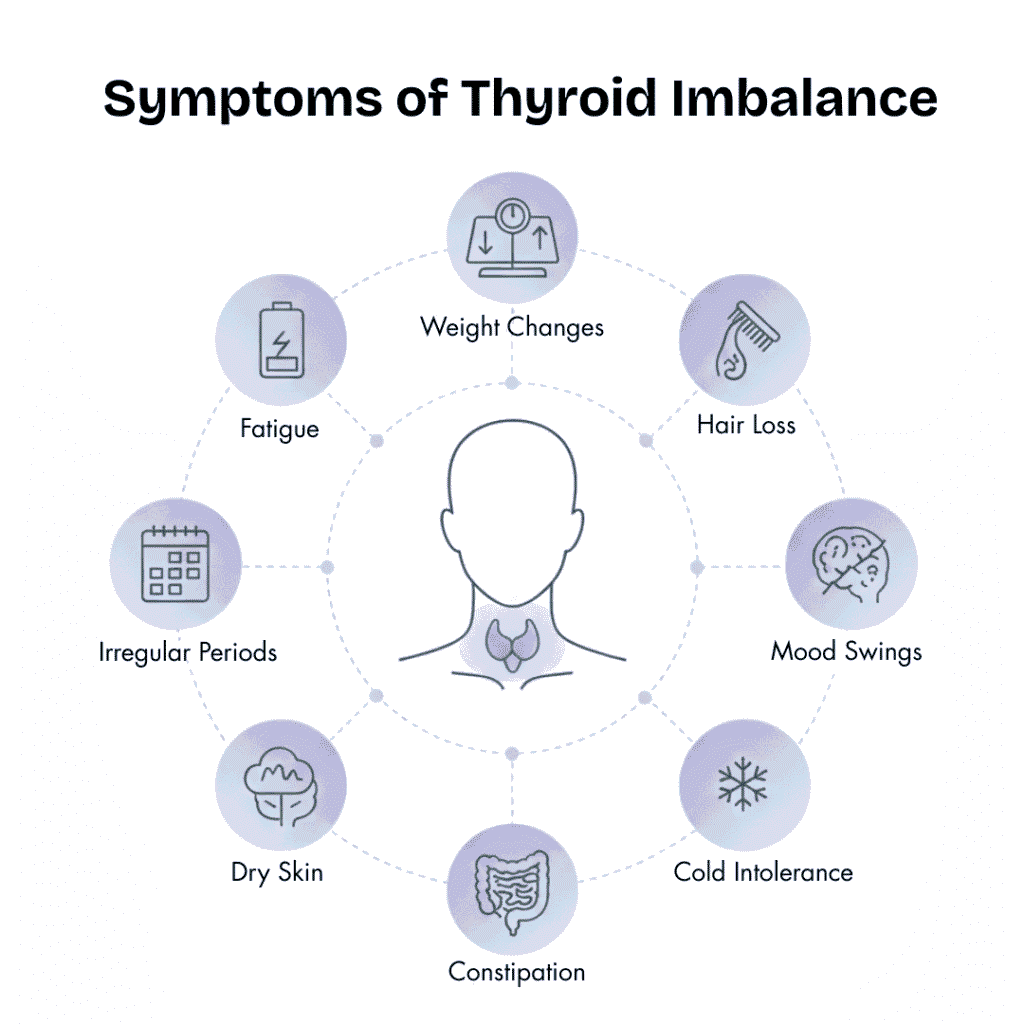
    Thyroid Function : Thyroid Imbalance symptoms

    Subtle Symptoms That Often Go Unnoticed

    Thyroid imbalance doesn’t always trigger obvious lab alerts. Early signs can include:

    • Persistent fatigue, especially after meals
    • Brain fog or difficulty concentrating
    • Afternoon energy slumps
    • Mood swings or irritability
    • Minor, unexplained weight fluctuations

    Even mild symptoms can indicate that your thyroid is not functioning optimally, despite normal lab values.

    Lifestyle & Functional Factors Influencing Thyroid

    Functional medicine emphasizes understanding root causes beyond standard labs. Some of the factors that can subtly impact thyroid hormone function are:

    • Stress: High cortisol levels can reduce T4 → T3 conversion
    • Nutrition: Deficiencies in selenium, iodine, or zinc can affect both conversion and  metabolism
    • Sleep disruption: Inconsistent sleep can impact hormone balance
    • Gut health & inflammation: Chronic issues may influence thyroid function indirectly

    Thyroid Hormones – Bound vs Free

    • Bound Hormones: Attached to proteins, inactive, measured in standard lab tests.
    • Free Hormones: Unbound, active, ready to fuel your cells.
    • Why it matters: Only free hormones regulate energy, metabolism, and mood. Even with normal labs, low free hormone levels can leave your body starved for thyroid activity.

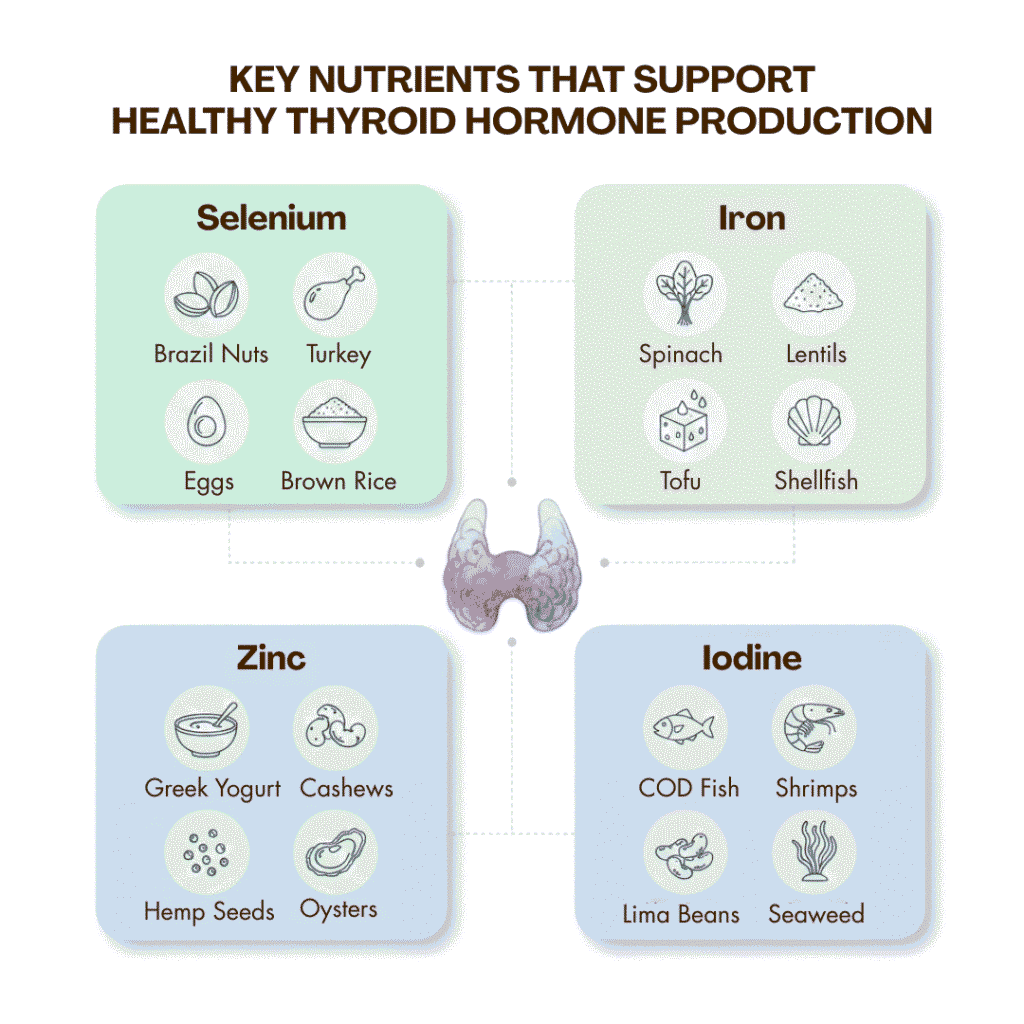
    Key Nutrients That Support Healthy Thyroid Hormone Production

    Thyroid Function: Healthy diet

    The thyroid requires certain nutrients and vitamins to function optimally:

    • Minerals: Iron, Iodine, Tyrosine, Zinc, Selenium
    • Vitamins: E, B2, B3, B6, C, D
    • Why it matters: Deficiencies can slow hormone production, leading to fatigue, low energy, and sluggish metabolism.
    • Practical Tip: Include leafy greens, eggs, nuts, seeds, and seafood to naturally support thyroid health.

    Factors That Can Reduce Thyroid Hormone Production

    Certain conditions or exposures can decrease your thyroid’s hormone output:

    • Lifestyle & environmental factors: stress, infections, trauma, medications, radiation, fluoride, toxins
    • Health conditions: autoimmune diseases
    • Signs of reduced hormone production: fatigue, mood swings, unexplained weight changes

    T4 → T3 Conversion: How Your Thyroid Makes Hormones Active

    • The thyroid releases T4 (inactive), which must be converted into T3 (active) to fuel cells efficiently.
    • Supports Conversion: Selenium and Zinc
    • Blocks Conversion / Increases Reverse T3: Stress, trauma, low-calorie diets, inflammation, toxins, infections, liver/kidney issues, or certain medications

    Improving How Your Cells Respond to Thyroid Hormones

    Even if hormone levels are normal, cells must respond properly to them for energy and metabolism:

    • Supports Cellular Sensitivity: Vitamin A, Zinc, and regular exercise
    • Lifestyle Factors: Prioritize consistent sleep, a balanced diet, and stress management
    • Outcome: Ensures thyroid hormones reach your cells effectively, regulating energy, metabolism, and overall well-being

    Practical Steps to Support Thyroid Function

    Even without abnormal labs, small lifestyle adjustments can support optimal thyroid function:

    • Balanced diet: Include protein, fiber, and micronutrients to stabilize blood sugar and hormone function
    • Daily movement: Light resistance training or walking improves metabolism
    • Sleep hygiene: Prioritize 7–8 hours of consistent sleep
    • Stress management: Mindfulness, journaling, or breathing exercises help reduce cortisol
    • Monitor symptoms: Track energy patterns, mood, and cravings to notice subtle imbalances

    These actions support hormone balance and metabolic health, providing noticeable improvements over time.

    Conclusion

    Normal thyroid labs don’t always guarantee optimal thyroid function. Subtle disruptions in hormone conversion, lifestyle factors, and stress can affect energy, mood, and metabolism. Understanding these patterns empowers you to notice early signals and take actionable steps toward better hormone health.
    At Hormone Reset, we guide individuals to understand metabolic and hormone patterns using functional approaches — emphasizing lifestyle, nutrition, and energy optimization without relying solely on routine lab tests.

    References:

    https://pmc.ncbi.nlm.nih.gov/articles/PMC9987447/ PMC
    https://pmc.ncbi.nlm.nih.gov/articles/PMC5075641/ PMC
    https://pmc.ncbi.nlm.nih.gov/articles/PMC3356062/ PMC
    https://pubmed.ncbi.nlm.nih.gov/30029851/ PubMed
    https://pubmed.ncbi.nlm.nih.gov/35015701/ PubMed

    FAQs: Understanding Thyroid Function Beyond Lab Tests

    1. Can I have thyroid issues even if my blood tests are normal?

    Yes. Subtle thyroid imbalances can occur due to T3 conversion issues, lifestyle factors, or stress, which routine labs may not detect. Paying attention to energy, mood, and metabolism is key.

    2. What are early signs of thyroid imbalance to watch for?

    Common patterns include persistent fatigue, brain fog, mood swings, afternoon energy slumps, and unexplained weight changes, even if lab results appear normal.

    3. How can lifestyle influence thyroid function?

    Balanced nutrition, regular sleep, stress management, and moderate exercise all support healthy thyroid metabolism and hormone balance. Small adjustments often make a noticeable difference in energy levels.

    4. Can stress or sleep affect thyroid labs?

    Yes. Stress hormones like cortisol and disrupted sleep can impact T4 → T3 conversion, which may cause symptoms even when standard lab values seem normal.

    5. Where can I learn more about supporting hormone balance naturally?

    For educational insights on hormone and metabolic patterns, you can explore Hormone Reset, which focuses on functional approaches to energy, metabolism, and hormone balance.

  • What is Hormonal Imbalance? How Functional Medicine Can Cure it?

    What is Hormonal Imbalance? How Functional Medicine Can Cure it?

    Hormones are the body’s chemical messengers, regulating everything from metabolism and mood to sleep and fertility. When they are balanced, you feel energised, focused, and strong. When they are out of sync, you may experience fatigue, weight gain, mood swings, brain fog, and various other health issues like fibromyalgia, PCOS, infertility, PMS, autoimmunity, diabetes, hypothyroidism, anxiety, depression and more.

    Why Do Hormones Get Imbalanced? What are the Causes of Hormonal Imbalance?

    Hormonal imbalances don’t happen overnight. They develop due to various factors, including:

    • Chronic Stress – Elevated cortisol levels affect thyroid and reproductive hormones amongst many others, leading to fatigue, weight gain, and immune dysfunction.
    • Poor Diet – Processed foods, sugar, and unhealthy fats disrupt insulin sensitivity, which leads to various downstream effects like estrogen progesterone imbalance, increasing the risk of metabolic and various other disorders.
    • Environmental Toxins – Endocrine disruptors in plastics, beauty products, and pesticides mimic hormones and interfere with normal function, leading to hormonal chaos and dysfunction.
    • Gut Issues – An unhealthy gut microbiome affects various hormones like estrogen metabolism and affects immune and other functions, contributing to digestive issues and inflammation.
    • Nutrient Deficiencies – Essential vitamins and minerals such as magnesium, zinc, omega 3 fatty acids and B vitamins are crucial for hormone production and balance.
    • Sleep Deprivation – Poor sleep quality impacts melatonin, cortisol, and other crucial hormones, leading to a cascade resulting in various issues including weight gain and impaired cognitive function.
    • Excessive Exercise or Sedentary Lifestyle – Overtraining initially increases and later may suppress cortisol production, while lack thereof contributes to insulin resistance and poor circulation.

    The good news? Functional medicine provides a natural and effective approach to resetting your hormones and restoring balance.

    Do You Have a Hormone Imbalance? Symptoms of Hormonal Imbalance

    1. Fatigue and Low Energy: Persistent tiredness, even after sufficient rest, may signal imbalances in cortisol (stress hormone), thyroid hormones (regulate metabolism), or insulin (regulates blood sugar). These imbalances can lead to adrenal fatigue or thyroid sluggishness.
    2. Weight Gain and Difficulty Losing Weight: Hormonal disruptions, particularly involving insulin resistance, elevated cortisol, low thyroid hormones, or estrogen dominance, can make weight loss difficult. Fat often accumulates around the midsection or hips and thighs.
    3. Mood Swings, Anxiety, and Depression: Low levels of progesterone and estrogen fluctuations can contribute to irritability, sadness, and anxiety. Elevated cortisol from chronic stress and low thyroid function also affect neurotransmitter levels, worsening mood issues.
    4. Sleep Disturbances and Insomnia: Disrupted cortisol rhythms (elevated at night or too low during the day), melatonin imbalance, and low progesterone can cause difficulty falling asleep or staying asleep.
    5. Irregular Menstrual Cycles and PMS: Heavy, painful, or irregular periods may signal estrogen dominance, low progesterone, or underlying conditions like PCOS or thyroid disorders. PMS symptoms like bloating, mood swings, and breast tenderness are also linked to these imbalances.
    6. Low Libido and Fertility Issues: Low estrogen, testosterone, or progesterone levels can reduce sex drive and cause infertility. High cortisol and insulin resistance interfere with ovulation and normal reproductive hormone cycles.
    7. Brain Fog and Poor Concentration: Forgetfulness, lack of mental clarity, and difficulty focusing may stem from thyroid dysfunction, blood sugar instability, or inflammation triggered by hormonal imbalance.
    8. Skin and Hair Changes: Thinning hair, dry or acne-prone skin, and brittle nails may reflect low thyroid function, excess androgens (as in PCOS), or estrogen imbalance. These symptoms often appear alongside menstrual irregularities.
    9. Digestive Problems and Bloating: Estrogen plays a role in gut motility and microbial balance. Imbalance—especially estrogen dominance—can slow digestion and promote bloating, while gut dysbiosis can impair estrogen clearance, creating a feedback loop.
    10. Temperature Sensitivity: Cold hands and feet, intolerance to cold, or excessive sweating and hot flashes are signs of thyroid dysfunction or perimenopausal hormone fluctuations.

    Also Read: Do Not Miss The Signs Your Periods Are Giving You About Your Body Health

    The Science Behind Hormone Imbalance

    A hormone reset is a strategic approach to bring your hormones back to their optimal levels by making targeted lifestyle and dietary changes. This approach works by targeting the root causes like eliminating triggers, nourishing the body, and supporting detox pathways.

    How Hormones Communicate in the Body

    Hormones don’t work in isolation—they function in a delicate balance. A few of these hormone interactions include:

    • Cortisol & Insulin: Chronic stress increases cortisol, which raises insulin and leads to fat storage, particularly around the abdomen. This process often is the root cause of type 2 diabetes. 
    • Cortisol and Thyroid: Generally these two are inversely related. For example, an increase in stress increases cortisol secretion, which in turn reduces the thyroid function. 
    • Thyroid & Estrogen: High estrogen can interfere with thyroid hormone production, leading to sluggish metabolism, weight gain, and fatigue.
    • Progesterone & Stress: When stress is high, progesterone levels drop, affecting mood, sleep, and reproductive health, potentially leading to infertility.

    How Functional Medicine Can Cure Hormone Imbalance?

    Hormone Reset is a science-backed method that focuses on identifying and addressing the root causes of imbalances rather than just treating symptoms. Instead of relying on medication alone, this approach combines personalized nutrition, lifestyle changes, and advanced lab testing to restore optimal hormone function.

    Step 1: Comprehensive Hormone Testing & Diagnosis

    Unlike traditional medicine, which often overlooks underlying issues, functional medicine starts with comprehensive lab testing to evaluate:

    • Cortisol and adrenal function to detect chronic stress and fatigue.
    • Thyroid hormone levels (total t3 and t4, free t3 and t4 and tsh) to assess metabolism and energy production.
    • Insulin and blood sugar balance to prevent diabetes and metabolic disorders.
    • Estrogen, progesterone, and testosterone levels to ensure reproductive and overall health.
    • Gut health and microbiome diversity to improve digestion and hormone detoxification.
    • Nutrient deficiencies and inflammatory markers to guide dietary and supplement recommendations.
    • Liver function markers and symptoms to assess liver health and function as optimal liver function is important to ensure proper hormonal balance. 

    Step 2: Personalized Nutrition & Detoxification

    Food plays a crucial role in hormone balance. Functional medicine recommends:

    • Anti-inflammatory foods – Leafy greens, berries, and turmeric reduce oxidative stress and inflammation.
    • Hormone-balancing fats – Avocados, wild-caught fish, coconut oil, and nuts support cellular function and hormone production.
    • Fiber-rich foods – Cruciferous vegetables (broccoli, cauliflower, cabbage) help detox excess estrogen and improve digestion.
    • Liver-supporting nutrients – Dandelion root, milk thistle, beets, and lemon water enhance the body’s natural detoxification pathways.
    • Balancing blood sugar – Prioritizing protein, healthy fats, and fiber helps prevent insulin spikes, which contribute to weight gain and fatigue.
    • Intermittent fasting – A well-planned fasting regimen can help regulate insulin, support metabolism, and enhance detoxification.

    Transform Your Health One Meal at a Time?

    Looking for hormone-balancing recipes that are as delicious as they are healing. Whether you’re dealing with PCOS, thyroid issues, or just want to reset your body naturally — we’ve got simple, nourishing recipes waiting for you.

    Step 3: Restoring Gut Health & The Gut-Hormone Connection

    A healthy gut is key to hormone regulation. Functional medicine supports digestion with:

    • Probiotics & Prebiotics – Restore beneficial bacteria and improve hormone metabolism by enhancing digestion and reducing bloating.
    • Digestive Enzymes – Enhance nutrient absorption and reduce gut-related hormone imbalances.
    • Gluten & Dairy Reduction – Helps prevent inflammation and autoimmune responses that impact thyroid and reproductive health.
    • Collagen & Bone Broth – Supports gut lining integrity and hormone production, reducing symptoms like bloating, acne, and joint pain.

    Step 4: Stress Management & Sleep Optimization

    Stress and poor sleep wreak havoc on hormones. Functional medicine recommends:

    • Sleep Hygiene – Maintaining a regular bedtime, avoiding blue light before sleep, and using magnesium supplementation improve sleep quality and hormone regulation.
    • Adaptogenic Herbs – Ashwagandha, rhodiola, and holy basil help regulate cortisol levels and support adrenal function.
    • Mindfulness & MeditationRegular excercise and deep breathing meditation reduce stress and improve hormone balance.
    • Infrared Sauna & Epsom Salt Baths – These detoxification techniques support relaxation, lower inflammation, and enhance hormone function.

    Take Control of Your Hormones Today

    If you’re struggling with fatigue, mood swings, unexplained weight gain, or other symptoms of hormonal imbalance, it’s time to take action. Your body is designed to heal—it just needs the right support.

    Start your journey to hormone balance today with expert guidance from HormoneReset and experience the power of functional medicine. Book your Free Discovery Call Now!


    References:

    Hormones: A Functional Medicine Perspective Crossing Back to Health