
Category: General

  • Burnout Uncovered: How Functional Medicine Can Help You Heal and Thrive

    Burnout Uncovered: How Functional Medicine Can Help You Heal and Thrive

    What Is Burnout Syndrome?


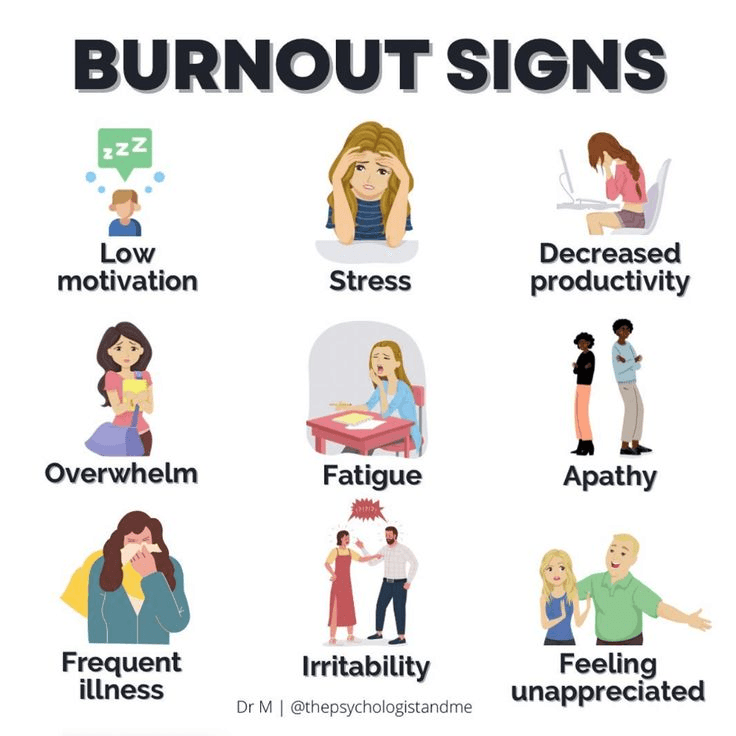
    Ever feel like you’re running on empty, no matter how much you rest? You might be experiencing burnout—an increasingly common condition in today’s high-stress world. Burnout syndrome is a state of emotional, physical, and mental exhaustion caused by prolonged and excessive stress. It is often linked to workplace pressures but can also arise from caregiving, academic demands, or even personal responsibilities. Common symptoms include

    • Chronic fatigue
    • Detachment or cynicism
    • Reduced performance
    • A sense of helplessness or hopelessness

    Burnout is more than just feeling “worn out”. It is a recognised phenomenon, with the World Health Organisation classifying it as an “occupational phenomenon” in its International Classification of Diseases (ICD-11).


    Top Causes of Burnout: A Functional Medicine Perspective

    Burnout results from an imbalance between demands and resources. Key contributors include:

    1. Work-Related Pressures: Overload, tight deadlines, lack of autonomy
    2. Internal Drivers: Perfectionism, people-pleasing tendencies
    3. Lifestyle Stressors: Poor sleep, inadequate nutrition, no downtime
    4. Environmental Stressors: Constant notifications on devices, lack of social support
    5. Unresolved Emotional Burdens: Trauma, financial worries, caregiving

    Why Is This Happening More Often?


    Modern lifestyles tend to glorify productivity at the expense of well-being. The rise of “hustle culture”, digital dependency, economic uncertainty, and blurred work-life boundaries have all made chronic stress the norm.

    The COVID-19 pandemic amplified these stressors, especially with the shift to remote work and 24/7 connectivity, leaving little time or space to recharge.


    Who Is Affected and When?


    Burnout can affect anyone, but it tends to peak during life stages marked by high responsibility and change.

    • Young Adults (20–35 years): Facing career pressures, academic burdens, or caregiving responsibilities.
    • Middle-Aged Adults (35–50 years): Juggling work, family, and personal aspirations.
    • Older adults (50+ years): handling work transitions, caregiving for aging parents, or health issues.

    Parameters to Measure Burnout’s Impact


    Burnout can be assessed through various frameworks:

    1. Maslach Burnout Inventory (MBI): Measures emotional exhaustion, depersonalisation, and reduced personal achievement.
    2. Physical Symptoms: Fatigue, insomnia, headaches, or frequent illnesses.
    3. Mental Health Indicators: Depression, anxiety, or lack of motivation.
    4. Workplace Metrics: Conflict with coworkers, absenteeism, or a decline in productivity.
    5. Quality of Life: Impaired relationships, reduced enjoyment in activities, or social withdrawal.

    Also Read: Environmental Triggers Influence Autoimmune Conditions
    image

    Overcoming Burnout with a Functional Medicine Approach

    Unlike conventional approaches that focus on managing symptoms, functional medicine approach looks deeper, addressing the interconnected lifestyle, hormonal, and emotional patterns contributing to burnout.

    Key interventions include:

    1. Nutritional Optimization:
      • Incorporate anti-inflammatory foods, such as leafy greens, nuts, seeds, and fatty fish.
      • Focus on nutrients like magnesium (nuts, dark chocolate), omega-3s (salmon, flaxseeds), and B vitamins (whole grains, eggs) to support nervous system health.
      • Avoid processed foods, caffeine, and sugar, which can exacerbate stress responses.
    2. Stress Management:
      • Practice mindfulness meditation or deep breathing exercises daily.
      • Engage in restorative activities like yoga or tai chi.
    3. Sleep Hygiene:
      • Establish a consistent bedtime routine, avoiding screens before sleep.
      • Use magnesium glycinate or herbal teas (like chamomile or valerian) for better sleep quality.
    4. Physical Activity:
      • Incorporate moderate exercise, such as walking or swimming, to release endorphins and reduce stress.
      • Avoid overtraining, which can lead to further exhaustion.
    5. Hormonal Balance:
      • Address adrenal fatigue through adaptogens like ashwagandha or rhodiola.
      • Monitor thyroid and cortisol levels with professional testing.
    6. Mental Health Support:
      • Seek therapy or counseling to address emotional triggers.
      • Join support groups to foster connection and understanding.

    Lifestyle Modifications to Prevent Burnout

    1. Set Boundaries: Clearly define work and personal life. Practice saying “no” to avoid overcommitment.
    2. Prioritize Self-Care: Dedicate time to hobbies, relaxation, and personal interests.
    3. Build Resilience: Develop a gratitude practice or journaling routine to shift focus to positive experiences.
    4. Reconnect with Purpose: Reflect on life goals and align daily activities with your values.
    5. Community Engagement: Foster relationships with friends, family, or support groups to create a sense of belonging.

    Conclusion

    You don’t have to wait until you hit a breaking point. Start small—prioritize rest, nourish your body, and explore what balance looks like for you. Healing from burnout is possible, and you deserve to feel whole again. You don’t have to go it alone. Reach out for support and begin your journey back to balance

    Ready to take the first step in healing from burnout? A personalised functional medicine plan can help you get there.

    Visit our website to learn more about what functional medicine is and how it can help. Book a call with us today.

    References:

    1. World Health Organisation. Burn-out an “occupational phenomenon”: International Classification of Diseases (ICD-11).
      https://www.who.int/mental_health/evidence/burn-out/en/
    2. Maslach, C., & Leiter, M.P. (2016). Understanding the burnout experience: recent research and its implications for psychiatry. World Psychiatry, 15(2), 103–111. https://doi.org/10.1002/wps.20311

    P

  • Psoriasis: Uncovering the Roots and Finding Lasting Relief with Functional Medicine

    Psoriasis: Uncovering the Roots and Finding Lasting Relief with Functional Medicine

    Functional Medicine Psoriasis is a chronic autoimmune condition characterised by red, scaly patches on the skin that can appear anywhere on the body. While it is commonly associated with skin issues, psoriasis is an inflammatory disorder involving the immune system. Traditional treatments, such as topical creams, phototherapy, and systemic medications, can provide relief but often fail to address the root causes of the condition. Functional medicine looks beyond symptom management to uncover and address the underlying factors contributing to psoriasis. In this blog, we will explore the roots of psoriasis, its triggers, and how functional medicine can offer lasting relief through a personalised, holistic approach.

    Understanding Psoriasis: A Complex Condition

    Psoriasis is more than just a skin disease—it is a systemic condition that involves immune system dysfunction. It occurs when the immune system mistakenly attacks healthy skin cells, leading to an overproduction of skin cells that pile up on the surface, forming plaques. The most common types of psoriasis include:

    • Plaque Psoriasis: Characterized by raised, red patches covered with silvery scales.
    • Guttate Psoriasis: Small, drop-shaped lesions, often triggered by infections.
    • Inverse Psoriasis: Red, shiny lesions that appear in skin folds.
    • Pustular Psoriasis: White pustules surrounded by red skin.
    • Erythrodermic Psoriasis: Severe, widespread redness and shedding of skin

    Psoriasis can affect any part of the body, but it is most common on the elbows, knees, scalp, and lower back.

    Traditional Treatments for Psoriasis

    Traditional treatments for psoriasis include:

    • Topical medications: These drugs are applied topically to the affected area to decrease inflammation and allow the scales to clear.
    • Light therapy: This therapy involves the use of ultraviolet light to slow the growth of skin cells.
    • Oral medications: These drugs are oral drugs that aid in the suppression of the immune system.

    None of the above address the root causes of psoriasis. 

    The Root Causes of Psoriasis

    Psoriasis is influenced by multiple internal and external factors that can contribute to its development and flare-ups:

    1. Immune System Dysfunction
      At the core of psoriasis is an overactive immune response. T-cells, a type of white blood cell, mistakenly attack healthy skin cells, triggering inflammation and abnormal skin cell turnover. This dysregulated immune response is often linked to environmental triggers, such as infections or stress.
    2. Environmental Triggers
      While genetics lay the foundation, environmental factors often act as triggers for psoriasis flare-ups. Some of the most common environmental triggers include:
      • Infections: Particularly streptococcal infections, candida overgrowth, parasites, which are known to trigger psoriasis (Michaëlsson et al., 2019).
      • Stress: Emotional stress is a common trigger for psoriasis flare-ups, likely due to the role of cortisol in immune system modulation (Dhabhar, 2014).
      • Diet: A pro-inflammatory diet rich in sugar, gluten, and processed foods can exacerbate inflammation, while an anti-inflammatory diet can help manage symptoms (Barrea et al., 2019).
      • Environmental Toxins: Exposure to chemicals, pollutants, or smoking can worsen psoriasis symptoms and inflammation.
    3. Gut Health
      The gut plays a crucial role in immune system regulation. Dysbiosis (an imbalance in the gut microbiome) can contribute to systemic inflammation and immune dysfunction, potentially triggering or worsening psoriasis (Boehncke & Schön, 2015). The gut-skin axis, a connection between gut health and skin inflammation, is gaining recognition in psoriasis research.

    Functional Medicine for Psoriasis

    Functional medicine is identification of the causative factors of a disease rather than its symptoms alone. It has been very effective in the reversal of psoriasis, as it would be able to point out factors affecting the patient and then focus on these issues.Functional medicine is healing from the inside out, not just alleviating psoriasis but making a person healthier and more alive.

    How Functional Medicine Transforms Psoriasis Care

    Functional medicine takes a root-cause approach to healthcare, aiming to identify and address the underlying factors that contribute to disease. Instead of merely managing symptoms with topical creams or systemic medications, functional medicine practitioners seek to restore balance in the body by considering multiple aspects of health—nutrition, lifestyle, genetics, and environmental factors. In the case of psoriasis, functional medicine focuses on the following key areas:

    1. Diet and Nutrition
      An anti-inflammatory diet is central to managing psoriasis. Reducing the intake of pro-inflammatory foods, such as sugar, refined carbs, and gluten, can help reduce systemic inflammation and skin flare-ups. Instead, a diet rich in omega-3 fatty acids (from fish or flaxseed), antioxidants (from fruits and vegetables), and healthy fats (such as those found in avocados and olive oil) can support skin health and reduce inflammation. Some functional medicine practitioners also recommend eliminating food allergens, such as gluten or dairy, to see if it improves symptoms.
    2. Gut Health Optimization
      Given the link between gut health and psoriasis, improving the microbiome through probiotics, prebiotics, and a nutrient-dense diet is a key aspect of functional medicine. Healing the gut lining, balancing gut bacteria, and reducing intestinal permeability (leaky gut) may help reduce inflammation and autoimmunity. Studies have shown that the use of probiotics can improve psoriasis symptoms by modulating the immune response (Zhang et al., 2019).
    3. Addressing Infections and Immune Dysregulation
      Infections, particularly streptococcal throat infections, can trigger psoriasis flare-ups. A functional medicine approach involves identifying and treating any underlying infections that may be exacerbating the condition. Additionally, modulating immune system activity with nutrients such as vitamin D, omega-3 fatty acids, and antioxidants can help restore immune balance. Some research suggests that vitamin D deficiency may worsen psoriasis, and supplementation may help alleviate symptoms (Ghoreschi et al., 2011).
    4. Reducing Stress
      Stress is a powerful trigger for psoriasis flare-ups. Functional medicine emphasizes the importance of stress management techniques such as meditation, yoga, deep breathing exercises, and mindfulness. By addressing the root cause of stress, individuals can help modulate their cortisol levels and reduce inflammation in the body.
    5. Detoxification
      Detoxifying the body through practices like saunas, adequate hydration, and reducing exposure to environmental toxins (such as smoking, heavy metals, or pesticides) is another important aspect of functional medicine. Reducing the burden on the liver and improving toxin elimination can help reduce the inflammatory load on the body.

    Clinical Evidence Supporting Functional Medicine for Psoriasis Relief

    A number of studies have supported the effectiveness of functional medicine approaches for psoriasis management:

    • Dietary Interventions: A study published in the Journal of Dermatological Treatment found that dietary changes, including a gluten-free diet, led to a significant reduction in psoriasis symptoms (Barrea et al., 2019).
    • Probiotics and Gut Health: Research has shown that probiotics can improve the skin barrier and reduce inflammation in patients with psoriasis (Zhang et al., 2019).
    • Vitamin D Supplementation: Vitamin D levels have been shown to correlate with the severity of psoriasis. Supplementation with vitamin D may help regulate immune responses and improve skin health (Ghoreschi et al., 2011).

    Psoriasis is a multifactorial condition that requires a comprehensive, personalized approach for effective management. Functional medicine offers a holistic pathway to uncovering the root causes of psoriasis and finding lasting relief. By focusing on diet, gut health, immune regulation, stress management, and detoxification, functional medicine provides a promising framework for those seeking long-term solutions beyond conventional treatments. If you suffer from psoriasis, working with a functional medicine practitioner can help you take control of your health and improve your skin’s appearance, all while addressing the underlying factors contributing to the condition. Functional medicine is healing from the inside out, not just alleviating psoriasis but making a person healthier and more alive.

    Also Read: What is Psoriasis Disease? How to Cure Psoriasis With Functional Medicine?


    References

    1. Barrea, L., Balato, N., et al. (2019). Nutrition and psoriasis: Is there any association between the severity of the disease and adherence to the Mediterranean diet? Journal of Translational Medicine, 17(1), 1-8.
    2. Boehncke, W. H., & Schön, M. P. (2015). Psoriasis. The Lancet, 386(9997), 983-994.
    3. Dhabhar, F. S. (2014). Effects of stress on immune function: The good, the bad, and the beautiful. Immunologic Research, 58(2), 193-210.
    4. Ghoreschi, K., et al. (2011). Modulation of the immune response in psoriasis and psoriatic arthritis by vitamin D. Nature Reviews Rheumatology, 7(4), 255-261.
    5. Michaëlsson, G., et al. (2019). Infections in psoriasis: The role of streptococcal and other infections in triggering guttate psoriasis. European Journal of Dermatology, 29(1), 12-18.
    6. Tsoi, L. C., et al. (2017). Genetic associations with psoriasis. The Lancet, 389(10081), 1216-1230.
    7. Zhang, Z., et al. (2019). Effects of probiotics on psoriasis: A systematic review and meta-analysis. Journal of Dermatological Treatment, 30(6), 583-588.
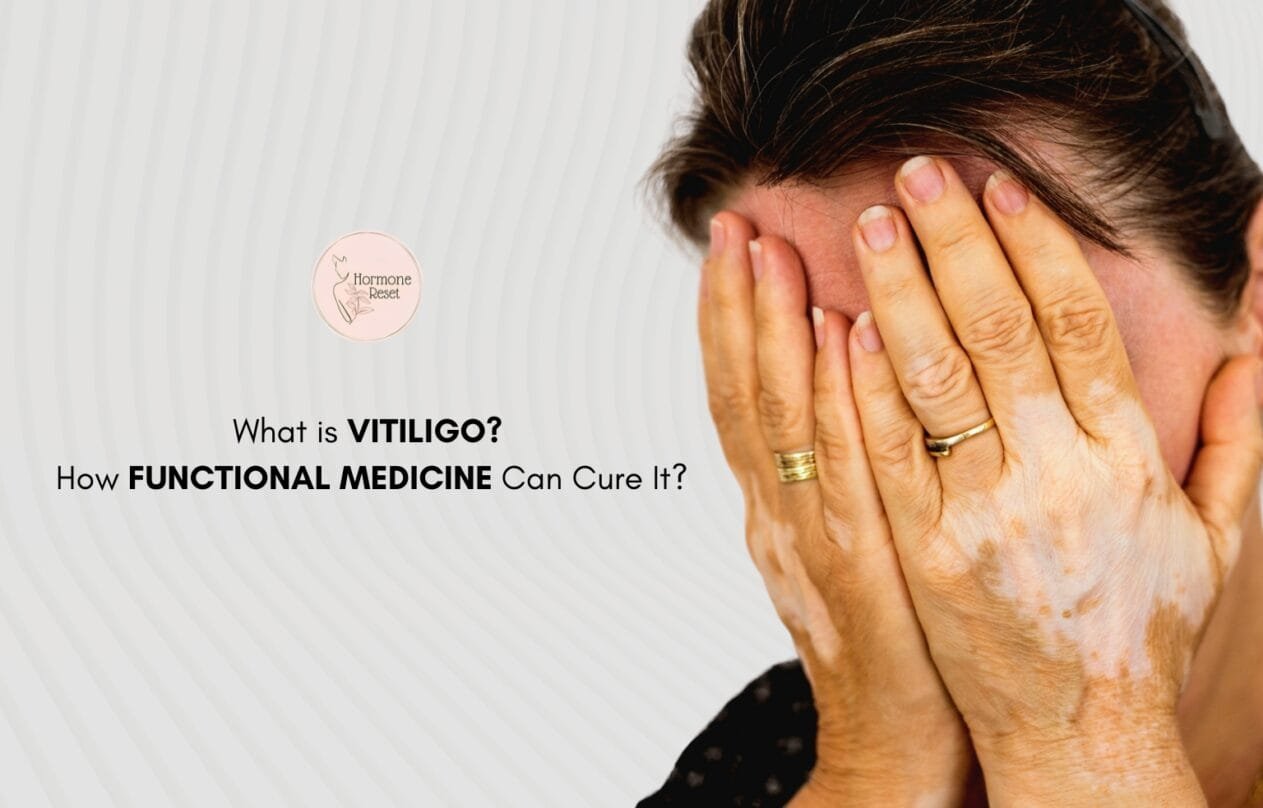
  • What is Vitiligo? How Functional Medicine Can Cure it?

    What is Vitiligo? How Functional Medicine Can Cure it?

    What is Vitiligo?

    Vitiligo is more than just a skin condition—it’s a reflection of what’s happening inside the body. This autoimmune disorder occurs when the immune system mistakenly attacks melanocytes, the cells responsible for skin pigmentation, leading to white patches on the skin. But have you ever wondered why this happens? The answer lies deep within our hormonal balance, gut health, and immune function.

    The Hidden Triggers Behind Vitiligo

    Traditional medicine often attributes vitiligo to genetics, but functional medicine digs deeper. Research has shown that vitiligo is not just a genetics issue; it’s linked to:

    • Hormonal imbalances – particularly thyroid dysfunction, adrenal fatigue, and insulin resistance.
    • Gut dysbiosis – an imbalance of gut bacteria that triggers autoimmunity.
    • Nutritional deficiencies – low levels of vitamin D, B12, folate, zinc, and copper.
    • Chronic inflammation – caused by oxidative stress, environmental toxins, and poor diet.
    • Emotional stress – a major trigger that worsens autoimmune conditions. 

    Wha is the Role of Hormones in Vitiligo?

    Hormones control the immune system, metabolism, and even pigmentation. If one or more hormones are imbalanced, the body’s natural balancebreaks down, leading to autoimmune attacks on melanocytes. The key hormones involved in vitiligo include:

    Thyroid Hormones and Vitiligo

    Studies show that people with vitiligo are more likely to have thyroid imbalances, particularly Hashimoto’s thyroiditis. Since the thyroid regulates metabolism and immune function, any dysfunction can worsen vitiligo symptoms. Supporting thyroid health using the functional medicine approach can help.

    The Cortisol Connection

    Chronic stress (it can be mental, emotional or even physiological stress) leads to high cortisol levels, which weaken the immune system and increase inflammation. When stress becomes chronic, it disrupts the body’s ability to regulate immune function, making autoimmune diseases like vitiligo more aggressive. Regulating cortisol by finding and addressing the root cause for its elevation along with meditation, deep breathing, and herbal adaptogens can reduce flare-ups.

    Insulin Resistance and Skin Health

    Uncontrolled blood sugar can worsen autoimmune conditions. Insulin resistance leads to increased inflammation and oxidative stress, which can further damage melanocytes. A hormone reset diet, rich in healthy fats, lean proteins, and fiber, while being low in high glycemic load carbs can improve insulin sensitivity and support skin healing.

    Gut Health and Vitiligo

    Since around 70% of the immune system resides in the gut, restoring gut health through probiotics, prebiotics, and a clean diet can reduce autoimmunity.

    The Gut-Skin Axis

    Leaky gut syndrome allows undigested food particles, toxins and even bacteria etc. to enter the bloodstream, triggering immune responses. This immune dysregulation can cause melanocytes to be targeted, leading to vitiligo patches. Healing the gut can significantly reduce vitiligo flare-ups.

    Probiotics and Skin Repigmentation

    Certain probiotic strains have been linked to improved immune function and reduced inflammation, making them essential for vitiligo management. Strains like Lactobacillus and Bifidobacterium can help restore gut balance and support skin healing.

    Detoxification: Removing Toxins That Trigger Vitiligo

    viligo

    Heavy metal toxicity, mold exposure, and oxidative stress are major contributors to vitiligo. A hormone reset supports the liver and detox pathways, allowing the body to effectively detoxify itself and heal naturally.

    Antioxidants and Vitiligo Recovery

    A diet high in antioxidants—such as vitamin C, glutathione, and polyphenols—can protect melanocytes from oxidative damage and encourage repigmentation. Supporting the body with natural detoxifiers like activated charcoal, chlorella, and milk thistle can also enhance the detox process.

    The Functional Medicine Protocol for Vitiligo Recovery

    Here’s a step-by-step approach that integrates hormone reset with functional medicine:

    Step 1: Comprehensive Testing

    Checking thyroid function, gut microbiome, vitamin levels, heavy metal toxicity, and inflammatory markers. These tests help identify imbalances that contribute to vitiligo progression.

    Step 2: Elimination Diet

    Removing inflammatory foods like gluten, dairy, and processed sugar while adding whole, nutrient-rich foods. Processed foods, artificial sweeteners, and excess caffeine should also be avoided.

    Step 3: Gut Healing Protocol

    Introducing probiotics, bone broth, and anti-inflammatory herbs to repair the gut lining. Foods rich in prebiotics like garlic, onions, and bananas can also support gut flora.

    Step 4: Hormonal Balance Plan

    Using adaptogens like ashwagandha and rhodiola to support adrenal and thyroid health. Managing hormonal imbalances through lifestyle changes, sleep regulation, and targeted supplements is key to vitiligo healing.

    Step 5: Targeted Supplementation

    Replenishing essential nutrients like vitamin D, zinc, magnesium, folate, and copper. Supplementing with omega-3 fatty acids and curcumin can further reduce inflammation and support skin health.

    Step 6: Lifestyle Optimization

    Managing stress through yoga, mindfulness, and sleep regulation. Engaging in regular physical activity, spending time in nature, and avoiding excessive exposure to blue light from screens can further improve hormonal health and skin healing.

    Also Read: Healing Irritable Bowel Syndrome (IBS): A Root Cause Approach

    Natural Remedies for Vitiligo

    Alongside functional medicine, natural remedies have been used for centuries to support skin repigmentation. These include:

    Herbal Treatments

    • Ginkgo Biloba: Known for its ability to improve blood circulation and reduce oxidative stress, ginkgo biloba has shown promising results in slowing vitiligo progression.
    • Turmeric and Black Pepper: This combination helps reduce inflammation and supports immune regulation.
    • Aloe Vera: Its soothing and hydrating properties can help nourish affected skin and reduce irritation.

    Phototherapy and Light Therapy

    Natural sunlight and UVB therapy can stimulate melanocyte activity and encourage repigmentation. However, excessive sun exposure without protection can worsen inflammation, so it should be done under medical guidance.

    Can Vitiligo Be Reversed?

    Many believe that vitiligo is irreversible, but functional medicine offers hope. By addressing the root causes—hormonal imbalances, oxidative stress, toxicity and gut dysfunction—many individuals have experienced slowed progression and even repigmentation.

    Factors That Influence Reversal

    • Early Intervention: The sooner imbalances are corrected, the better the chances of halting vitiligo progression.
    • Hormone Optimization: Balancing thyroid function, insulin levels, and adrenal health plays a crucial role.
    • Nutritional Therapy: Ensuring optimallevels of vitamin D, B12, folate, zinc, and copper supports melanocyte function.
    • Detoxification: Removing heavy metals and environmental toxins reduces autoimmune responses.
    • Stress Management: Lowering cortisol levels through mindfulness and relaxation techniques can prevent flare-ups.

    Real Results with Functional Medicine

    Numerous cases have shown that individuals who commit to a hormone reset, a clean diet, and targeted supplementation have seen visible improvements in their skin. While results vary, functional medicine provides a personalized, sustainable approach to managing and potentially reversing vitiligo. conventional medicine claims there’s no cure, functional medicine proves otherwise. By addressing the root causes, many people have experienced repigmentation and a halt in vitiligo progression. The key? Healing from the inside out through hormone balance, detoxification, and targeted nutrition.

    How Hormone Reset Can Transform Vitiligo Healing

    Imagine your body as a symphony, with hormones conducting every function. When these hormones are out of tune, it sets the stage for autoimmune disorders like vitiligo. A hormone reset using functional medicine can help by restoring balance, reducing inflammation, and addressing the root causes of autoimmunity.

    Conclusion: The Power of Functional Medicine in Healing Vitiligo

    Healing vitiligo isn’t about masking the symptoms—it’s about restoring balance within. By addressing hormone imbalances, gut health, and nutritional deficiencies, you can take control of your skin health and reclaim your confidence. Functional medicine offers a personalized, holistic approach that brings real results.

    If you’re ready to begin your healing journey, start by resetting your hormones, nourishing your body, and eliminating toxins. True healing starts from within!

    References

    1. Functional Medicine for Vitiligo Internal Healing and Wellness MD
    2. Integrative Approach to Vitiligo Rupa Health
    3. Causes and Triggers of Vitiligo Dr. Will Cole
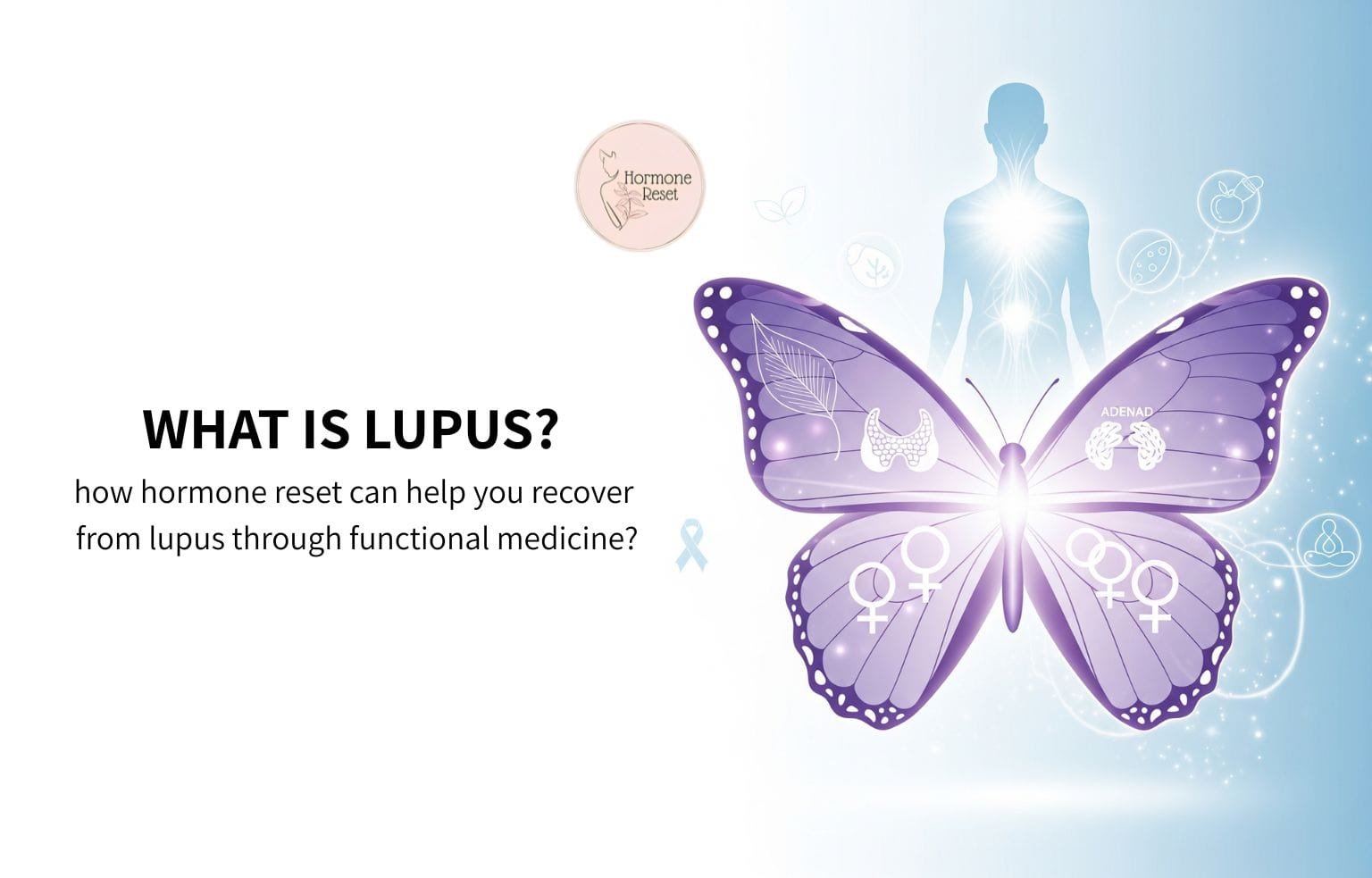
  • What is Lupus? How Hormone Reset Can Help You Recover From Lupus Through Functional Medicine?

    What is Lupus? How Hormone Reset Can Help You Recover From Lupus Through Functional Medicine?

    Lupus, officially known as Systemic Lupus Erythematosus (SLE), is an autoimmune disease where the immune system turns against the body, attacking healthy tissues and organs. This results in widespread inflammation, joint pain, fatigue, and organ damage. But what if  an overactive immune system is just a symptom? While the root cause is completely different ?

    Why Lupus is More Than Just an Autoimmune Disease?

    Most conventional treatments focus on suppressing the immune system, using steroids and immunosuppressants to control flare-ups. While this can help manage symptoms, it doesn’t address the underlying causes, one of which is hormonal imbalance.

    How Hormonal Imbalance Triggers Lupus?

    Women are nine times more likely to develop lupus than men, which hints at a strong hormonal connection. The delicate balance of estrogen, cortisol, thyroid hormones, and insulin play a key role in either soothing or igniting the immune system.

    Hormones That Worsen Lupus

    1. Estrogen Dominance – High levels of estrogen can over-stimulate the immune system, leading to increased autoimmunity and inflammation.
    2. Cortisol Dysregulation – Chronic stress leads to fluctuating cortisol levels, weakening immune tolerance and worsening lupus symptoms.
    3. Thyroid Dysfunction – Many lupus patients have undiagnosed or subclinical hypothyroidism, further exacerbating various factors connected with lupus as also fatigue and inflammation.
    4. Insulin Resistance – Poor blood sugar control fuels systemic inflammation, making lupus flare-ups more severe.

    The Hormone Reset Functional Medicine Approach: A Path to Healing

    medicine and fruit

    1. Comprehensive Hormone Testing

    Instead of just managing symptoms, functional medicine uses advanced testing to analyze hormone levels, identifying imbalances that contribute to lupus flares.

    2. Anti-Inflammatory and Hormone-Balancing Nutrition

    A lupus-friendly, hormone-reset diet focuses on:

    • Balancing blood sugar with whole foods and fiber-rich meals.
    • Boosting gut health with probiotics and anti-inflammatory foods.
    • Detoxifying excess estrogen through cruciferous vegetables like broccoli and kale.
    • Omega-3 fatty acids (found in wild salmon, flaxseeds) to lower inflammation naturally.

    3. Healing the Gut to Reset Autoimmunity

    Gut health is central to immune regulation. Functional medicine practitioners address leaky gut syndrome, which is often a hidden trigger of autoimmune flares.

    • Remove processed and inflammatory foods (gluten, dairy, processed sugar).
    • Replace with organic, unprocessed whole foods.
    • Replenish with probiotics and digestive enzymes.
    • Repair and regeneration of the gut is done by adding in nutrient dense foods, phytonutrients (antioxidants, flavonoids, etc), omega-3 rich sources, gut repair supplements, etc.
    • Restore and retain with gut-healing nutrients like collagen and L-glutamine and foundational lifestyle changes that support long term gut and overall health.

    4. Managing Stress and Resetting Cortisol Levels

    Chronic stress is a major driver of autoimmune dysfunction. Implementing mind-body practices like:

    • Meditation and deep breathing to regulate the nervous system.
    • Gentle movement like yoga or tai chi to prevent inflammation spikes.
    • Adaptogenic herbs (ashwagandha, rhodiola) to balance stress hormones.
    • Toxins and chronic infections can also cause cortisol imbalances. Addressing these helps the stress response of the body to calm down and be balanced again. 

    5. Detoxification: Eliminating Hidden Toxins

    Toxins from food, air, and personal care products can overload the liver, disrupting hormone balance and worsening lupus symptoms. A detox plan includes:

    • Liver-supporting foods like beets, turmeric, and dandelion root.
    • Sweating out toxins with infrared saunas and Epsom salt baths.
    • Switching to clean, non-toxic personal care products.
    • Chelation is important in the case of the presence of heavy metal toxins like mercury, aluminium, lead, cadmium, etc. 
    • Detoxification protocols should be implemented periodically to ensure body does not accumulate toxins and remains clean. 

    How Hormone Reset Can Changes Your Entire Physiology?

    girl taking medicin

    A hormone reset doesn’t just alleviate lupus symptoms—it reprograms your entire body to function optimally. By restoring hormonal balance, you can:

    • Boost cellular repair and regeneration, leading to increased energy and vitality.
    • Improve metabolic function, making weight management easier.
    • Strengthen immune balance and resilience, reducing the severity and frequency of lupus flares.
    • Enhance brain function and mood stability, reducing brain fog and depression.
    • Support skin and organ health, leading to reduced inflammation and better overall well-being.

    A properly executed hormone reset creates a ripple effect, transforming not just lupus management but your entire physiology, helping you reclaim your health at the deepest level.

    Success Stories: Real-Life Reversals of Lupus Symptoms

    Many lupus patients following a Hormone Reset Functional Medicine Approach have reported:

    ✔ Reduced joint pain and inflammation

    ✔ Reversal of damage to various organs
    ✔ Increased energy levels and mental clarity
    ✔ Fewer flare-ups and better skin health
    ✔ A restored sense of well-being and resilience

    Take Charge of Your Health: The Future of Lupus Care

    Lupus doesn’t have to be a lifelong battle with medications and unpredictable flare-ups. By addressing hormonal imbalances, gut health, stress, and toxicity, you can take control of your body and significantly reduce the impact of lupus.

    Functional medicine offers a personalized approach to healing, rather than a one-size-fits-all suppression of symptoms. It’s time to move beyond just surviving and start thriving with a hormone reset approach to lupus!

    Further if you’re looking for one-on-one consultation with our Specialists, then Book Now!

    References 

    1. The Role of Hormones in Lupus: Why It’s More Common in Women https://www.rupahealth.com/post/the-role-of-hormones-in-lupus-why-its-more-common-in-women
    2. The Effect of Estradiol and Testosterone Levels Alone or in Combination on Systemic Lupus Erythematosus https://ijms.sums.ac.ir/article_50440.html
    3. Characteristics of Steroid Hormones in Systemic Lupus Erythematosus
      https://www.frontiersin.org/journals/endocrinology/articles/10.3389/fendo.2023.1164679/full
    4. The Influence of Endogenous and Exogenous Sex Hormones on Systemic Lupus Erythematosus https://pmc.ncbi.nlm.nih.gov/articles/PMC4520373/
    5. Environmental Exposures and the Development of Systemic Lupus Erythematosus https://pmc.ncbi.nlm.nih.gov/articles/PMC4965307/
    6. A Prospective Study of Reproductive Factors in Relation to Risk of Systemic Lupus Erythematosus https://pmc.ncbi.nlm.nih.gov/articles/PMC7854483/
    7. Sex Hormones Affect the Pathogenesis and Clinical Characteristics of Systemic Lupus Erythematosus https://pmc.ncbi.nlm.nih.gov/articles/PMC9402996/
    8. Menopausal hormone therapy and the risk of systemic lupus erythematosus and systemic sclerosis: a population-based nested case-control study https://academic.oup.com/rheumatology/advance-article-pdf/doi/10.1093/rheumatology/keaf004/61370606/keaf004.pdf
    9. Systemic Lupus Erythematosus (Lupus) https://www.niams.nih.gov/health-topics/lupus

    Share

  • Is Hashimoto’s Thyroiditis Curable? Can Functional Medicine Reverse it?

    Is Hashimoto’s Thyroiditis Curable? Can Functional Medicine Reverse it?

    Imagine waking up feeling a bit drained each day, battling unexpected weight gain, or struggling with brain fog so heavy that it seems like you’re just sleepwalking through life. For those dealing with Hashimoto’s Thyroiditis, this isn’t just an occasional rough day – it’s a daily challenge. 

    But here’s the exciting news: the path to healing is shining brighter than ever! While Conventional Medicine often focuses on just managing symptoms, a remarkable approach called the Hormone Reset Method is here to change that. Instead of just surviving with Hashimoto’s, let’s talk about thriving! Is a cure for Hashimoto’s possible? Together, let’s explore this empowering truth that Hashimoto’s Thyroiditis Curable or not?

    What Exactly is Hashimoto’s Thyroiditis?

    Hashimoto’s Thyroiditis is an autoimmune disease in which your immune system mistakenly attacks your thyroid gland. This chronic damage and the resultant inflammation can lead to hypothyroidism, or an underactive thyroid, which may leave you feeling exhausted, with low energy, and a little miffed.

    The symptoms often sneak up on you:

    • Fatigue that no amount of coffee can fix
    • Weight gain that seems impossible to shed
    • Brain fog and difficulty focusing
    • Hair thinning and brittle nails
    • Sensitivity to cold and dry skin
    • Depression or mood swings, and many more

    The thyroid gland is a tiny, butterfly-shaped organ at the base of your neck, important for regulating your metabolism, energy levels, and overall well-being. When it faces challenges, the effects can ripple throughout your whole body.

    While conventional medicine often aims at managing symptoms through synthetic thyroid hormones—helpful as they may be—they tend to overlook the underlying issues. This is where the true strength of functional medicine shines!

    Can You Really Reverse Hashimoto’s? Separating Myths from Facts

    It is widely understood in modern medical practice that autoimmune conditions such as Hashimoto’s may not be viewed as a type of “curable” condition in the classic sense. But here’s the good news: remission is definitely within reach! So, what does this mean for you? Here are some possibilities:

    • Reduce or even eliminate symptoms
    • Prevent further damage to your thyroid
    • Restore your energy, mental clarity, and overall well-being

    This shift happens when you start embracing the idea of your thyroid as part of a larger system—your body’s amazing interconnected networks. By taking the time to identify and address the autoimmune triggers and balance these systems, you can make a wonderful difference in your overall health.

    How Functional Medicine Can Recover Hashimoto’s Thyroiditis?

    Hormone Reset is all about helping you restore your hormonal imbalance naturally by embracing lifestyle changes, nourishing nutrition, and thoughtful supplementation. Central to this approach is functional medicine, which plays a key role in managing Hashimoto’s.. This holistic strategy focuses on digging deep to uncover and address the root causes of Hashimoto’s. Here’s what it includes:

    • Balancing your immune system by identifying and addressing the autoimmune triggers
    • Correcting the diet to remove immune triggering foods and include the ones that help calm the immune system dow
    • Healing your gut (>70% of your immune system resides there!)
    • Balancing the microbiome as it often plays a significant role in immune system modulation
    • Identifying and addressing nutritional deficiencies that often work both as root causes and aggravating factors
    • Managing stress and optimizing your adrenal health
    • Identifying and eliminating environmental toxins
    • Working on overall lifestyle to ensure harmful habits and minimised and replaced with healthier ones

    Step 1: Heal Your Gut, Heal Your Thyroid

    Did you know that there is a strong connection between gut health and Hashimoto’s? Leaky gut, or intestinal permeability, allows toxins to enter your bloodstream, triggering immune responses that exacerbate thyroid inflammation. The Hormone Reset method prioritizes:

    • A gut-healing diet rich in anti-inflammatory foods
    • Avoiding common irritants like gluten and dairy
    • Probiotic support to restore healthy gut flora
    • Incorporating prebiotic foods like garlic, onions, and bananas to nourish good bacteria

    Gut healing is pivotal because 70% of the immune system resides in the gut. By reducing gut inflammation, you reduce autoimmune triggers.

    Step 2: Detox Your Body and Eliminate Toxins

    Your immune systemcan really react to toxins, including heavy metals and endocrine disruptors. Once triggered by these toxins, it can attack many organs like the thyroid gland. Functional medicine understands this and offers support to help you feel your best. It emphasizes:

    • Supporting liver detoxification with cruciferous vegetables, antioxidants, and herbs like milk thistle
    • Identifying and if found, addressing toxins like mercury, lead, aluminum, etc
    • Avoiding exposure to chemicals in plastics, cosmetics, and cleaning products
    • Drinking plenty of filtered water to flush out toxins
    • Using various tools like saunas or sweating through exercise to enhance detoxification

    Additionally, opting for organic foods and minimizing pesticide exposure can significantly lower your body’s toxic burden.

    Step 3: Master Stress Management

    Chronic stress can really take a toll on your thyroid health. That’s why the Hormone Reset approach offers some wonderful guidance on stress-reducing techniques, such as:

    • Mindfulness meditation to calm your nervous system
    • Gentle yoga, tai chi, or Pilates to reduce cortisol levels
    • Adaptogenic herbs like ashwagandha and rhodiola to support adrenal health
    • Prioritizing sleep hygiene and restorative practices

    Stress isn’t just emotional—it’s biochemical. By managing stress, you reduce the inflammatory cascade that fuels autoimmune diseases.

    Step 4: Nutrition Food for Your Thyroid

    Many people with Hashimoto’s experience nutritional deficiencies. Functional medicine can help identify gaps in important nutrients like selenium, zinc, magnesium, omega 3 fatty acids, and vitamin D etc. Hormone Reset plans offer a thoughtful approach to address these needs.

    • Introduce nutrient-dense foods to replenish these levels
    • Focus on thyroid-supportive nutrients like iodine (in safe amounts)
    • Incorporate omega-3 fatty acids to reduce inflammation
    • Provide targeted supplementation where needed
    • Include selenium-rich foods like Brazil nuts and seafood

    There are various Natural Foods for your thyroid health is essential for overall well-being

    Step 5: Tame Chronic Inflammation

    Inflammation plays a key role in Hashimoto’s, and addressing it is essential for your well-being. Embracing an anti-inflammatory diet,, along with some lifestyle changes, is a fundamental part of the Hormone Reset plan. Here are some additional strategies to consider:

    • Adding turmeric (curcumin) and ginger to your meals
    • Increasing intake of green leafy vegetables, berries, and healthy fats
    • Using herbal teas with anti-inflammatory properties, like chamomile or green tea
    • Reducing sugar and processed foods

    Know More: Are Certain Foods Behind Rheumatoid Arthritis?

    What Can Ignite Hashimoto’s and How to Get Rid of them? 

    Hashimoto’s flare-ups can be caused by several different factors. It’s really important to identify and manage these triggers to help improve your health!

    • Foodsensitivity: The majority of patients with Hashimoto’s have a sensitivity to certain foodslike gluten and dairy, which cause inflammation by triggering immune reactions.
    • Chronic Stress: Long-term stress disrupts your hormonal balance and weakens your immune system.
    • Nutrient deficiencies: Low levels of various key nutrients like B vitamins, iodine, selenium, vitamin D, and zinc levels can contribute to worsening the symptoms.
    • Environmental Toxins: Exposure to chemicals, pesticides, and heavy metals can stress both your immune system and thyroid.
    • Infections: Some viral or bacterial infections may initiate or exacerbate autoimmune activity. For example, Epstein-Barr Virus and Human Herpesvirus-6 etc are well known to be connected to Hashimoto’s disease.
    • Overexercising: Strenuous exercise can increase inflammation thereby worsening autoimmunity, so focus on gentle, restorative movement.

    Avoiding these triggers and adopting the Hormone Reset approach can help you regain control over your health.

    The Science Behind Functional Medicine: Why It Works

    The functional medicine approach is deeply rooted in science. Studies have shown that addressing gut health, managing inflammation, and restoring hormonal balance can:

    • Reduce autoimmunity
    • Improve thyroid function
    • Reduce or eliminate all symptoms connected with hashimoto’s disease

    Functional medicine practitioners use advanced testing to identify the root causes of your symptoms, allowing them to create a customized plan tailored to your unique biology.

    Why Is Functional Approach The Future Of Thyroid Health?

    At Hormone Reset Program, we believe in a functional medicine approach that goes beyond quick fixes. It’s all about creating a sustainable and transformative journey that empowers you to truly take charge of your health. Here’s what makes our method so special:

    • Root Cause Focus: Gut Health to Stress management, no aspect is left untouchedunearthed.
    • Personalized Care: Every patient’s Hashimoto’s journey is unique. Yours should be too.
    • Becoming Empowered through Education: Hormone Reset empowers you with the necessary resources and knowledge for life changes.

    A Brighter Future by Reclaiming Your Health

    You don’t have to let Hashimoto’s Thyroiditis take control of your life anymore! A permanent Hashimoto’s Thyroiditis Curable with Hormone Reset’s functional medicine approach. By addressing the root cause—healing your gut and resetting your hormones—you can take charge of your health and create a vibrant future filled with energy, clarity, and joy.

    The Hormone Reset approach is more than just a treatment plan; it’s a lifestyle choice that empowers you to live your best life. Why not take that first step today? Your future self, as well as your thyroid gland, will be grateful!

    Further if you’re looking for one-on-one consultation with our Specialists, then Book Now!

    References

    Share

  • A Comprehensive Guide to Managing Hashimoto’s with Functional Medicine

    A Comprehensive Guide to Managing Hashimoto’s with Functional Medicine

    Hashimoto’s thyroiditis is an autoimmune disorder that affects the thyroid gland. Most cases of Hashimoto’s are unnecessarily treated as hypothyroidism by looking at high TSH levels. While conventional medicine typically focuses on supplementing thyroid hormones, functional medicine offers a more integrated approach. This method delves into the root causes behind the autoimmune process, emphasizing personalized care through advanced diagnostic testing, tailored supplements, and dietary adjustments. 

    Understanding Hashimoto’s and the Functional Medicine Approach

    Hashimoto’s occurs when the immune system attacks the thyroid, causing inflammation and dysfunction. Symptoms like fatigue, weight gain, hair thinning, and mental fog can take a significant toll on daily life.  

    Functional medicine goes beyond treating symptoms by exploring the unique factors contributing to the condition. It seeks to identify potential triggers, such as nutrient deficiencies, chronic stress, or environmental influences, and address them to restore balance and support overall health.  

    Essential Testing for Hashimoto’s

    Functional medicine prioritizes in-depth diagnostic tests to uncover underlying imbalances that drive Hashimoto’s. Key assessments include:  

    1. Comprehensive Thyroid Testing: Measuring TSH, Free T3, Free T4, Reverse T3, and thyroid antibodies (TPOAb and TgAb) provides a complete picture of thyroid health and immune activity.  

    2. Nutrient Status: Testing for deficiencies in Vitamin D, Selenium, Zinc, complete B vitamins, and Iron (Ferritin) helps identify areas where supplementation or dietary changes may benefit.

    3. Gut Health Evaluation: Since a disrupted gut microbiome or intestinal permeability often accompanies autoimmune disorders, stool testing for gut microbiome and organic acid tests are vital for gut assessment. 

    4. Heavy metals: Heavy metals like lead, aluminium, cadmium, arsenic, mercury can block thyroid hormone receptors, interfere with conversion of T4 to T3 and moreover dysregulate the immune system. It’s important to test for heavy metals and work on heavy metal removal if high levels are reported. 

    5. Organ function tests: Optimal liver and kidney function is critical for ensuring proper detoxification pathways. 

    4. Stress and Adrenal Health: Chronic stress can exacerbate thyroid dysfunction, making cortisol testing an essential part of treatment planning.  

    Nutritional Foundations for Thyroid Health  

    Diet plays a transformative role in managing Hashimoto’s, as certain foods can either support or hinder thyroid function. Functional medicine emphasizes personalized dietary interventions, including:  

    Elimination of Trigger Foods: Many patients experience symptom relief by avoiding gluten and dairy, which are common inflammatory triggers in autoimmune conditions.  

    Focus on Nutrient Density: Foods rich in selenium (e.g., Brazil nuts), iodine (moderate amounts), zinc, and omega-3 fatty acids help optimize thyroid function.  Good quality protein is important. 

    Balanced Blood Sugar Levels: A diet that avoids spikes in blood sugar can reduce inflammation and improve energy stability.  

    Gut-Supportive Foods: Incorporating bone broth, and probiotics can strengthen the gut lining and enhance nutrient absorption.  

    Targeted Supplementation  

    Supplements can complement dietary changes and provide additional support for thyroid and immune health. Functional medicine practitioners often recommend:  

    1. Vitamin D: Vital for immune system regulation and thyroid function.  

    2. Selenium: Known to decrease thyroid antibody levels and aid hormone conversion.  

    3. Zinc: Supports the immune system and thyroid hormone synthesis.  

    4. Omega-3s: Help control inflammation, a key factor in autoimmune conditions.  

    5. Adaptogens: Herbs like Ashwagandha and Rhodiola can improve the body’s stress response, which is critical for managing Hashimoto’s.  

    Lifestyle Practices for Long-Term Support  

    Beyond diet and supplementation, lifestyle adjustments are essential for managing Hashimoto’s and enhancing overall well-being. These include:  

    Stress Reduction Techniques: Meditation, mindfulness, and yoga can help lower stress hormones like cortisol, which may worsen thyroid dysfunction.  

    Exercise in Moderation: Regular, low-impact physical activity, such as walking or swimming, supports metabolism and reduces inflammation without overburdening the body.  

    Prioritizing Sleep: Restful sleep is critical for immune balance and hormone regulation.  

    The Importance of Individualized Care 

    No two cases of Hashimoto’s are identical. A functional medicine approach tailors treatment to each person’s unique needs by considering factors like genetics, environment, and lifestyle. This personalized strategy helps identify and address specific triggers, paving the way for symptom relief and better long-term outcomes.  

    Key Takeaway

    Managing Hashimoto’s thyroiditis requires a multifaceted approach that looks beyond symptoms to address root causes. By incorporating detailed testing, strategic nutrition, targeted supplements, and lifestyle changes, functional medicine empowers individuals to take control of their health. With the right support, it’s possible to reduce inflammation, support the thyroid, and improve overall quality of life.

    HR CTA tiny

    References:

    1. Weinberg, J.L. (2022, March 18). Fatigue, Weight Gain, Depression, And Brain Fog Are Common Signs Of This Autoimmune Disease.
    2. Toulis, K.A., Anastasilakis, A.D., Tzellos, T.G., et al. (2010). Selenium Supplementation in the Treatment of Hashimoto’s Thyroiditis: A Systematic Review and a Meta-analysis.
    3. Mazokopakis, E.E., Papadomanolaki, M.G., Tsekouras, K.C., et al. (2015). Is vitamin D related to pathogenesis and treatment of Hashimoto’s thyroiditis?
    4. Yoon, S.J., Choi, S.R., Kim, D.M., et al. (2003). The effect of iodine restriction on thyroid function in patients with hypothyroidism due to Hashimoto’s thyroiditis.
    5. Liontiris, M.I., & Mazokopakis, E.E. (2017). A concise review of Hashimoto thyroiditis (HT) and the importance of iodine, selenium, vitamin D, and gluten on autoimmunity and dietary management.

    Share