Author: Siddarth Goel

  • 5 Top-Rated Functional Medicine Supplements

    5 Top-Rated Functional Medicine Supplements

    Functional medicine is transforming the way we approach chronic health conditions and autoimmune disorders. By focusing on the root causes of illness and supporting the body’s natural healing processes, functional medicine offers a personalized path to better health. One of the cornerstones of this approach is the strategic use of high-quality supplements. 

    At Hormone Reset, India’s leading functional medicine clinic, we guide patients toward evidence-based supplement choices that are tailored to their unique needs. In this blog, we’ll explore the top-rated functional medicine supplements that support chronic disease recovery and optimal wellness.

    What Is Functional Medicine?

    Functional medicine is a patient-centered, science-based approach that looks beyond symptoms to identify and address the underlying causes of disease. Unlike conventional medicine, which often focuses on symptom management, functional medicine uses a holistic framework to understand how genetics, environment, and lifestyle factors contribute to chronic illness. Supplements play a key role in functional medicine by correcting key nutrient deficiencies, supporting biochemical pathways, and enhancing the body’s ability to heal.

    Why Supplements Matter in Functional Medicine

    Many chronic and autoimmune conditions are linked to nutrient deficiencies, inflammation, and imbalances in gut health. Supplements, when chosen wisely, can fill nutritional gaps, modulate inflammation, and restore balance. For example, research shows that patients with chronic conditions often lack essential nutrients like the B vitamins, vitamin D, magnesium, and omega-3 fatty acids. Adding these nutrients often improves their health significantly. Functional medicine supplements are selected based on individual needs, lab testing, and current scientific evidence—ensuring maximum safety and effectiveness.
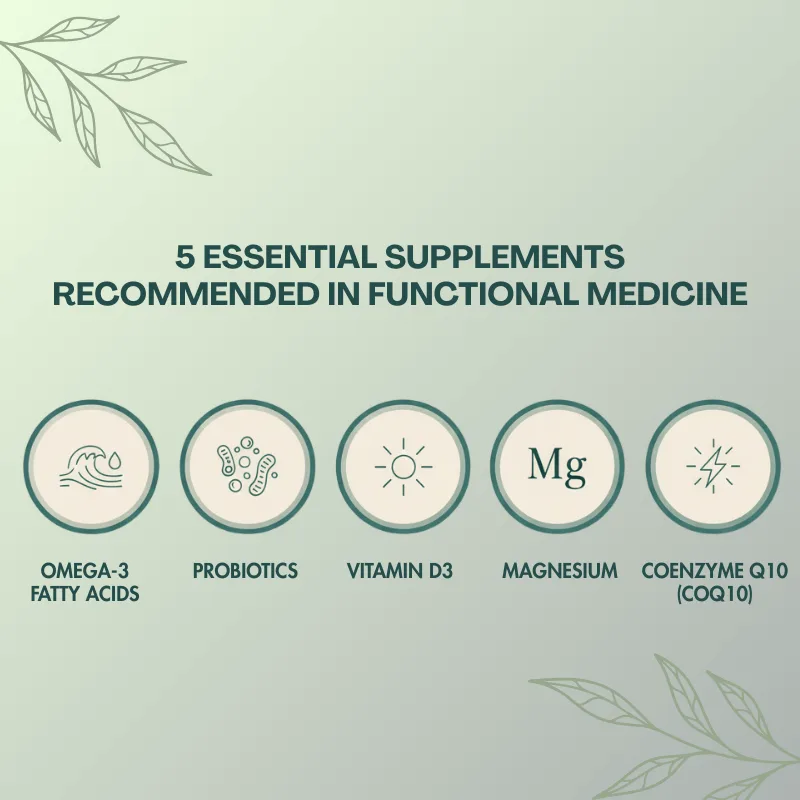
    Top 5 functional medicine supplements for immunity, gut, and hormone health

    Omega-3 fatty acids are vital for reducing inflammation, supporting cardiovascular health, and enhancing immune function. EPA and DHA, the biologically active forms of omega-3 fatty acids, help regulate inflammatory pathways, optimize cellular communication, and support cognitive function. Functional medicine research shows that people with autoimmune conditions, metabolic syndrome, or chronic inflammatory disorders often have low omega-3 levels, which can exacerbate disease activity. Incorporating omega-3s through dietary sources such as fatty fish or through supplements has been shown to reduce markers of inflammation, improve lipid profiles, and support overall wellness.

     Recommendation: Vitaone Triple Strength Omega 3, 60 Soft Gels, Autoimmunity Care Vegan Omega 3 Oil, 250 ML

    Probiotics are essential for maintaining a healthy gut microbiome, which plays a central role in digestion, nutrient absorption, immune regulation, and even mental health. A well-balanced microbiome strengthens the intestinal barrier, reduces systemic inflammation, and modulates immune responses. Disruptions due to antibiotics, stress, processed foods, or poor diet can lead to dysbiosis, contributing to digestive discomfort, fatigue, and chronic inflammation. Clinical studies highlight the benefits of multi-strain probiotics containing Lactobacillus and Bifidobacterium in restoring gut balance, enhancing nutrient absorption, and supporting immune resilience.

    Recommendation: FM Nutrition Opti-Biotic, Multi-strain Probiotics, 100 billion CFU, 60 Veg Capsules

    Vitamin D3 functions as both a vitamin and hormone, playing a critical role in immune modulation, bone health, and inflammatory control. Research indicates that vitamin D deficiency is widespread in India, due to limited sun exposure, high melanin content, indoor lifestyles, and environmental factors. Low vitamin D levels are associated with increased risk of autoimmune diseases, impaired bone density, and chronic inflammation. Functional medicine protocols emphasize testing serum vitamin D levels and tailoring supplementation to individual needs to optimize immune function, reduce inflammation, and support musculoskeletal health.

    Recommendation: Vitaone Vitamin D3 + K2-7, 90 Veg, Dr Gold Vitamin D3K2 I 60 Capsules

    Magnesium is a cofactor in over 300 enzymatic reactions and is essential for energy production, muscle relaxation, nerve signaling, stress management, and sleep quality. Modern diets, soil depletion, chronic stress, gastrointestinal disorders, and certain medications often lead to suboptimal magnesium levels. Clinical studies demonstrate that magnesium supplementation can alleviate muscle cramps, improve sleep patterns, reduce anxiety symptoms, and enhance cardiovascular health. Functional medicine practitioners recommend bioavailable forms such as magnesium glycinate or citrate to maximize absorption and physiological benefit.

    Recommendation: LivBio SuperMag Plus, Magnesium Supplement, 30 Veg Capsules

    Coenzyme Q10 (CoQ10) is a lipid-soluble antioxidant that plays a key role in mitochondrial energy production. It supports cardiovascular function, muscle performance, and neurological health by facilitating cellular ATP synthesis. CoQ10 levels naturally decline with age and can be further depleted by chronic illness, oxidative stress, or medications such as statins. Clinical studies highlight that CoQ10 supplementation may improve energy metabolism, reduce fatigue, enhance exercise tolerance, and protect cells from oxidative damage, making it a cornerstone in functional medicine protocols for cellular health and longevity.

    Recommendation: FM Nutrition Liposomal CoQ10, Ubiquinol 200mg, 30 Veg Capsules

    How to Choose the Right Supplements for You

    Supplementation should always be personalized. Functional medicine practitioners at Hormone Reset use detailed health histories, lab testing, and ongoing monitoring to create individualized supplement protocols. Avoid self-prescribing, as taking the wrong supplements or incorrect dosages can be harmful. Professional guidance ensures that supplements are safe, effective, and aligned with your health goals.

    Frequently Asked Questions About Functional Medicine Supplements

    Are supplements safe for everyone?

    Most supplements are safe when used appropriately, but some may interact with medications or underlying health conditions. Always consult a qualified practitioner.

    How long before you see results? 

    Some supplements work quickly (e.g., magnesium for muscle cramps), while others may take longer to show benefits. Consistency and professional monitoring are key.

    Can supplements replace medication? 

    Supplements can support healing but should not replace prescribed medications without medical supervision. Functional medicine integrates supplements with other therapies for comprehensive care.

    Conclusion

    Functional medicine supplements offer a powerful way to support healing, restore balance, and address the root causes of chronic and autoimmune disorders. At Hormone Reset, we combine expert guidance with evidence-based protocols to help you achieve optimal health. Ready to take the next step? Schedule a consultation with our functional medicine experts and discover a personalized path to wellness.

    This article is for informational purposes only and does not constitute medical advice. Always consult a qualified healthcare provider before starting any new supplement regimen.

    References

    1. The role of probiotic supplementation in inflammatory biomarkers in adults– National Library of Medicine
    2. Prevalence & potential significance of vitamin D deficiency in Asian Indians– Indian Journal of Medical Research
    3. Why You Should Consider Taking Omega-3 Supplements– NDTV
    4. Make no bones about it! Vitamin D deficiency a major worry, every 5th Indian suffers from it– Times of India
    5. The effects of coenzyme Q10 supplementation on biomarkers of exercise-induced muscle damage, physical performance, and oxidative stress–  National Library of Medicine
    6. The effect of omega-3 and vitamin E on oxidative stress and inflammation– National Library of Medicine

    Please subscribe to our social channels for updates related to functional medicines.
    Instagramthehormonereset
    FacebookHormone Reset
    YouTubeHormone Reset Program
    LinkedInHormone Reset

  • How Functional Medicine Helps Reverse Autoimmune Symptoms Naturally — What 90 Days of Healing Can Do

    How Functional Medicine Helps Reverse Autoimmune Symptoms Naturally — What 90 Days of Healing Can Do

    In India today, an increasing number of people are waiting months—or even years—for relief from autoimmune conditions such as Hashimoto’s thyroiditis, Rheumatoid arthritis, Psoriasis, or Lupus. Many feel trapped in symptom-management loops: the medication helps, the flare-ups return, fatigue lingers, and labs bounce. But what if the answer wasn’t just managing the immune attack—but rewinding it? That’s the promise of functional medicine. In this article, we dive into how functional medicine in India is being used to go beyond surface care and build a 90-day healing strategy for autoimmune symptoms.

    How functional medicine supports natural healing in autoimmune conditions

    Why Autoimmune Conditions Are Rising in India

    India is navigating a complex health scenario: while infectious diseases still demand attention, non-communicable and immune-mediated disorders are surging. For example, recent reporting indicates that nearly 70% of autoimmune disease patients in India are women, due to hormonal, environmental, and lifestyle factors. The Times of India

    Meanwhile, a 2021 panel of experts noted that functional medicine may help reverse chronic and autoimmune diseases by addressing root causes rather than simply suppressing symptoms. ETHealthworld.com
    Key drivers in India include:

    • Urbanisation and sedentary behaviours
    • A well-balanced traditional diet is turning into processed food loaded with refined carbohydrates and trans fats, etc.
    • Environmental toxicity, air and indoor pollution (impacting the immune and respiratory systems)
    • Delayed diagnosis or fragmented care in autoimmune cases
    • Stress, poor sleep, chronic infections, and gut dysbiosis (often unaddressed)
      In such a backdrop, functional medicine—which emphasises root-cause discovery and personalised protocols—is increasingly relevant for autoimmune health.

    What is Functional Medicine — A Root-Cause Approach

    Functional medicine is a systems-based, patient-centred model that seeks to identify why the body is mis-regulating, rather than only what is mis-regulating. It is especially relevant for complex conditions like autoimmunity, where multiple systems (gut, hormones, inflammation, immune regulation) interact.
    In India, functional medicine clinics emphasise: personalised history + advanced lab testing + tailored nutrition + lifestyle optimisation + targeted root cause solutions. For example, Indian clinics describe root causes as gut-health imbalance, toxin exposure, chronic infections, and hormonal disruption.

    Unlike conventional medicine that might prescribe immunosuppressants or symptomatic relief, functional medicine asks:

    • What triggered the immune system to misfire?
    • Which body systems are exhausted or overloaded?
    • What lifestyle or environmental exposures keep the inflammation active?

    Thus, the function-medicine approach can often complement conventional treatment and, over time, reduce flare-ups, medication dependency, and improve life quality.
    Discover how our clients transformed their health with Hormone Reset. Read their success stories!

    The 90-Day Healing Framework: What It Typically Includes

    While every individual is unique, a structured 90-day framework gives a realistic timeline for meaningful improvement in autoimmune symptoms. Here’s a typical blueprint:

    Days 1-30: Stabilise & Reset

    • Comprehensive assessment: full history, gut/hormone/immune labs
    • Elimination or anti-inflammatory nutrition plan (e.g., whole foods, reduced gluten/processed sugar)
    • Gut health: identify and address issues and imbalances related to stomach acid production, enzyme output, imbalances and overgrowths of bacteria, fungus and parasites in the gut, and heal the gut lining with probiotics, prebiotics, nutrients like zinc or L-glutamine, etc
    • Detoxify and  reduce environmental triggers (pollution exposure, indoor smoke, toxins)
    • Begin supportive lifestyle changes: consistent sleep, stress reduction (meditation or yoga)

    Days 31-60: Rebuild Systems

    • Reintroduce nutrient-dense foods adapted to the Indian diet (e.g., legumes, regional vegetables, healthy fats)
    • Hormone optimisation: adrenal/thyroid support if needed
    • Detoxification support: liver/gut/lifestyle practice
    • Moderate exercise and movement to support immune regulation
    • Monitor labs and symptoms to adapt the plan

    Days 61-90: Reinforce & Integrate

    • Immune retraining: focus on balance, not suppression (e.g., micronutrients like vitamin D, omega-3, curcumin)
    • Full integration of lifestyle: stress management, sleep hygiene, movement rhythm
    • Transition to sustainable habits rather than a “temporary fix”
    • Reassess labs and symptoms: aim to reduce flare-ups, stabilise immune markers, improve quality of life

    This 90-day timeframe is not a “cure guarantee”, but most patients report meaningful symptom reduction, fewer flares, and greater energy in this period. Clinics in India emphasise root-cause treatment over quick fixes. 

    Key Root-Cause Factors That Functional Medicine Targets

    Understanding what triggers the “autoimmune misfire” is key. Functional medicine often focuses on:

    Gut Health & Microbiome

    Overgrowth of the microbial/fungal/parasitic populations in the gut leads to higher gut toxicity and resultant immune system overactivation. This often leads to a compromised gut barrier (“leaky gut”), which in turn allows undigested food molecules and toxins into the bloodstream, triggering further immune dysregulation. Functional medicine emphasises gut healing via diet, targeted supplements, herbs, probiotics, and lifestyle.

    Toxin Load & Environment

    In India, heavy metal exposure, industrial pollutants, indoor air pollution, and chronic toxin load contribute to immune stress. Functional medicine aims to remove or reduce these exposures and support detox pathways. ETHealthworld.com

    Nutrient & Hormone Imbalances

    Vitamin D deficiency, omega-3 shortfall, thyroid/adrenal stress, and hormone imbalance all affect immune regulation. For example, research shows lower levels of vitamin D is linked with increased autoimmunity. arXiv

    Chronic Stress & Sleep Disturbance

    Chronic psychological stress elevates cortisol, dysregulates immunity, and triggers flares. The positive impact of mind-body practices like yoga for autoimmune disorders has been documented in India and globally. PubMed

    What Results Can You Realistically Expect in 90 Days?

    Let’s set realistic expectations:

    • Significant Symptom reduction: fewer flare-ups, less fatigue, better mood, and sleep
    • Improved lab markers: reduced inflammation (CRP), stabilised thyroid/hormone values, better gut health parameters
    • Reduced medication dependency: under supervision, some patients manage to reduce flare-prevention doses
    • Empowerment and sustainable habits: shift in diet, stress, lifestyle that supports long-term wellness

    Importantly, “reverse” does not always mean disease extinction, but rather “long-term remission”, improved quality of life and root-cause control. Indian reports suggest functional-medicine practitioners believe many chronic/autoimmune issues can be reversed if the root causes are identified and addressed. ETHealthworld.com

    Choosing the Right Functional Medicine Practitioner in India

    If you decide to pursue this route, here is a checklist:

    • Certified training in functional/integrative medicine (and experience in autoimmune cases)
    • Uses advanced diagnostics (gut, hormone, toxins), not just standard labs
    • Offers personalised nutrition, lifestyle + environmental support—not just supplements
    • Transparent about costs, time frame, and realistic outcomes
    • Encourages collaboration with your conventional medical provider (especially for medications)

    Frequently Asked Questions About Functional Medicine for Autoimmune Healing

    Can Functional Medicine Really Help Improve Autoimmune Conditions?

    Functional medicine does not promise a cure, but it helps many people experience significant relief by addressing the underlying triggers of autoimmunity. Instead of only controlling flare-ups, this approach works on improving gut health, reducing inflammation, balancing hormones, and calming an overactive immune system. As these root causes are addressed, most individuals begin noticing fewer symptoms and better energy within the first 90 days.

    How Is Functional Medicine Different From Conventional Treatment?

    Conventional care often focuses on symptom control through medications that suppress the immune response. Functional medicine, on the other hand, asks why the immune system is misfiring in the first place. By identifying factors such as nutrient deficiencies, environmental toxins, gut imbalance, stress, and hidden inflammation, it builds a personalised plan that restores balance rather than masking symptoms.

    What Conditions Can Benefit From a Functional Medicine Approach?

    Many autoimmune conditions—such as Hashimoto’s thyroiditis, Rheumatoid arthritis, Psoriasis, Lupus, and IBD—respond well to a root-cause strategy. People dealing with chronic fatigue, digestive discomfort, skin flare-ups, joint stiffness, or recurring inflammation often see improvements because functional medicine looks at the whole body, not just the affected organ.

    What Kind of Results Can I Expect in 90 Days?

    Ninety days is generally enough time for patients to experience a noticeable reduction in flare-ups, better sleep, improved digestion, balanced energy, and more stable lab values. While complete reversal takes time and varies from person to person, most people feel more in control of their health and see their symptoms becoming less intense and less frequent.

    Do I Need to Stop My Current Medications?

    No. Functional medicine works alongside conventional treatment. Medications should never be stopped without medical supervision. Over time, as the body stabilises and inflammation reduces, some individuals are able to lower their dosages—but only under the guidance of their primary doctor.

    Why Are Autoimmune Diseases Increasing So Fast in India?

    A combination of factors—processed foods, sedentary routines, pollution, chronic stress, gut imbalance, and nutrient deficiencies—are placing extra strain on the immune system. Women are especially affected because of hormonal fluctuations and higher exposure to certain lifestyle stressors. Functional medicine addresses these everyday triggers that conventional care often overlooks

    What Does a Functional Medicine Plan Typically Include?

    A functional medicine protocol usually begins with a detailed assessment and advanced testing. This is followed by a nutrient-rich, anti-inflammatory food plan, gut-healing support, detoxification guidance, stress and sleep optimisation, and personalised supplements where needed. The plan evolves over 90 days based on the individual’s progress and lab results, making it highly customised.

    How Do I Choose the Right Functional Medicine Practitioner?

    A trustworthy practitioner will have recognised training, experience with autoimmune cases, and a clear diagnostic approach. They will offer personalised nutrition and lifestyle support instead of relying heavily on supplements. They should also be transparent about your timeline, costs, and expected results, and encourage coordination with your existing healthcare providers.

    Final Takeaway

    Autoimmune conditions pose serious challenges—but they also respond differently when treated via root-cause, system-based care. In India, where lifestyle, environment, and nutrition often conspire against immune balance, a 90-day functional-medicine framework offers a clear path to improvement: symptom reduction, immune stabilisation, and lifestyle transformation. If you’re living with autoimmunity and feeling stuck in reactive treatment cycles—this approach may help you move toward true healing, not just management.

    👉 If you’d like to feel more in control of your health again, you’re welcome to connect with us at Hormone Reset.

    References

    1. “Functional, Bio Regulatory Medicine is the advanced version.” ET HealthWorld
    2. Yoga in autoimmune disorders: a systematic review of RCTs.” PubMed. 2025. 
    3. Autoimmune Disease Treatment with Functional Medicine” – Freedom Age (India). February 2025. 
    4. Functional Medicine for Autoimmune Disease Management” -Revital Trichology & Wellness. 
    5. What is Functional Medicine India?” -Doctor Anjali Hooda Sangwan, LiveNutrifit.
    6. Roy S, Bagchi B. “Vitamin D sensitivity to the immune responses and autoimmunity: ArXiv

    Please subscribe to our social channels for updates related to functional medicines.
    Instagramthehormonereset
    FacebookHormone Reset
    YouTubeHormone Reset Program
    LinkedInHormone Reset

  • Functional Medicine for Mental Health: An Introduction

    Functional Medicine for Mental Health: An Introduction

    An Introduction

    Mental health is a cornerstone of overall well-being, yet millions of people worldwide grapple with challenges like anxiety, depression, chronic stress, and mood disorders. While traditional mental health care often emphasizes symptom management, a growing number of practitioners and patients are turning to functional medicine for mental health—a holistic, root-cause-driven approach that seeks to transform lives by addressing underlying imbalances. In this comprehensive guide, we’ll explore what functional medicine is, how it supports mental health, and why it deserves a leading role in your wellness journey.

    How Functional Medicine Supports Mental Health

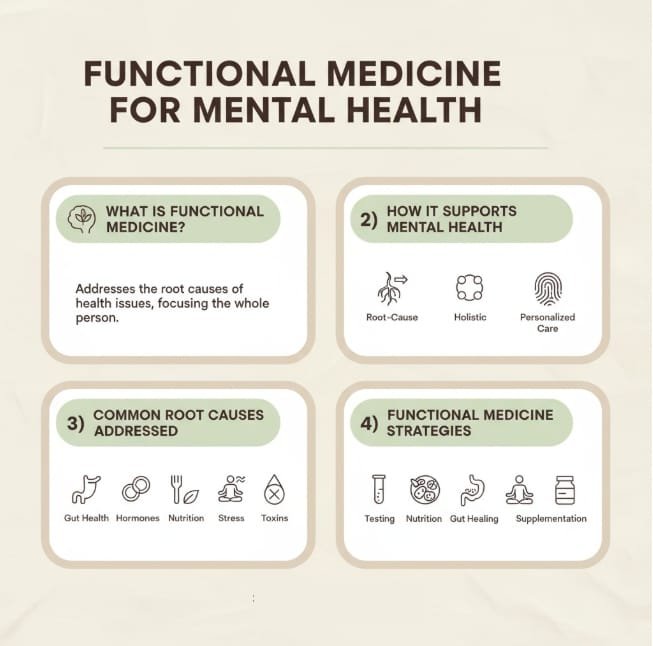
    Functional medicine for mental health focuses on identifying and addressing the root causes of emotional and cognitive challenges. Rather than simply prescribing medication to manage symptoms, functional medicine practitioners use advanced diagnostics and personalized interventions to uncover triggers that may be overlooked in conventional care. These can include chronic inflammation, hormonal imbalances, nutrient deficiencies, gut health disturbances, chronic stress, and even environmental toxins.

    This patient-centered philosophy helps uncover and resolve hidden contributors to mental health symptoms, often leading to more sustainable improvements in mood, cognition, and overall vitality.

    What is Functional Medicine?

    Functional medicine is an advanced, systems-oriented approach that addresses the underlying causes of disease rather than just treating symptoms. It views the body as an interconnected system, understanding that mental health cannot be separated from physical health. Practitioners of functional medicine use cutting-edge diagnostics, detailed health histories, and lifestyle interventions—such as nutrition, exercise, sleep optimization, and stress reduction—to restore optimal function and balance.

    For example, a person experiencing depression might have underlying gut dysbiosis, chronic inflammation, or thyroid dysfunction all of which can impact brain chemistry and mood. By identifying these factors, functional medicine practitioners can design targeted interventions that support mental well-being at its core.

    cvv 10

    Benefits of Functional Medicine for Mental Health

    • Personalization: Each individual receives a tailored plan based on unique genetics, lifestyle, and health history. No two treatment protocols are exactly the same.
    • Root Cause Resolution: Instead of masking symptoms, functional medicine addresses the underlying drivers of mental health issues, aiming for lasting change
    • Integrative Therapies: Approaches may include nutritional therapy, targeted supplementation, stress management, sleep optimization, and detoxification—often leading to more sustainable results.
    • Empowerment: Patients become active participants in their healing journey, equipped with education and practical tools to support lifelong mental wellness.

    Common Root Causes Addressed in Functional Medicine for Mental Health

    • Gut-Brain Connection: Research shows that gut health profoundly impacts mood and cognition. Imbalances in the gut microbiome can contribute to anxiety, depression, and brain fog.
    • Chronic Inflammation: Inflammation in the body and brain is linked to various mental health disorders. Functional medicine seeks to identify and reduce sources of inflammation.
    • Hormonal Imbalances: Thyroid, adrenal, and sex hormone imbalances can cause mood swings, irritability, fatigue, and depression.
    • Nutritional Deficiencies: Deficiencies in vitamins (such as B12, D, folate), minerals (magnesium, zinc), and essential fatty acids can negatively affect neurotransmitter function and mood regulation.
    • Environmental Toxins: Exposure to heavy metals, mold, and other toxins can disrupt brain chemistry and contribute to psychiatric symptoms.
    • Chronic Stress & Trauma: Ongoing stress or unresolved trauma can alter brain structure and function, increasing vulnerability to mental health issues.

    Key Functional Medicine Strategies for Mental Health

    • Comprehensive Lab Testing: Functional medicine practitioners use advanced testing to identify hormonal, nutritional, or metabolic imbalances that may be affecting mental health.
    • Personalized Nutrition Plans: Diets rich in brain-supportive nutrients—such as omega-3 fatty acids, antioxidants, and B vitamins—are tailored to each individual’s needs.
    • Gut Health Restoration: Strategies may include probiotics, prebiotics, and anti-inflammatory diets to support a healthy gut microbiome.
    • Stress Reduction Techniques: Mindfulness, yoga, meditation, and biofeedback are used to calm the nervous system and build resilience.
    • Detoxification Protocols: These are designed to reduce the body’s burden of environmental toxins, supporting clearer thinking and emotional balance.
    • Targeted Supplementation: Supplements are recommended based on lab results and individual needs—common examples include vitamin D, magnesium, and adaptogenic herbs.

    Hormonal balance is central to both physical and mental health. Imbalances in thyroid hormones, cortisol (the stress hormone), estrogen, and testosterone can have profound effects on mood, cognition, and emotional stability. For instance, low thyroid function may present as depression, while chronic high cortisol can lead to anxiety and sleep disturbances. Functional medicine practitioners are uniquely equipped to assess and correct these imbalances using natural, evidence-based interventions, leading to lasting improvements in mental health

    cvv 11

    Real-Life Example: Functional Medicine in Action

    Consider a case where a patient with persistent anxiety and fatigue underwent functional medicine evaluation. Comprehensive lab tests revealed low vitamin D, mild hypothyroidism, and gut dysbiosis. Through a combination of dietary changes, vitamin D supplementation, gut-healing protocols, and stress management, the patient experienced significant improvements in mood, energy, and resilience—without relying solely on psychiatric medication.

    Success Stories and Scientific Backing

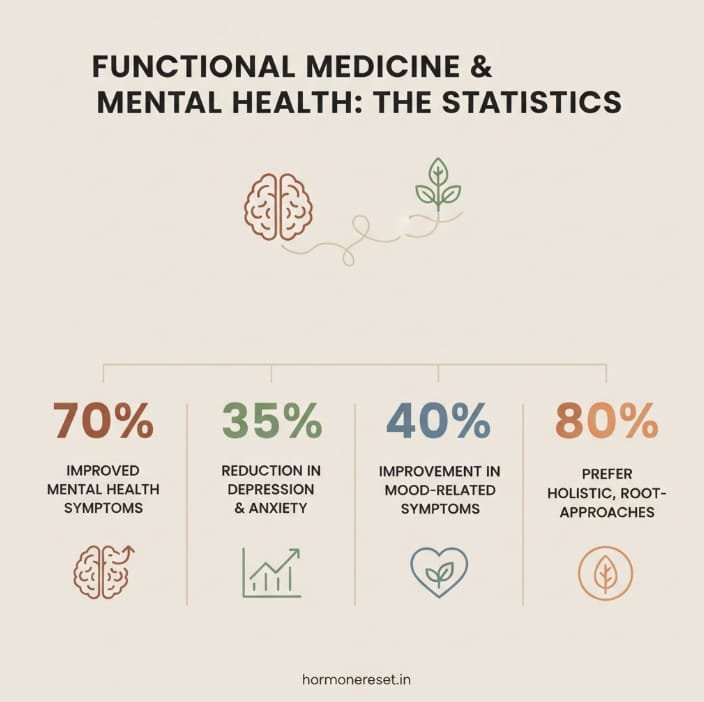
    Research is increasingly validating the functional medicine approach. Studies show that interventions targeting gut health, inflammation, and nutrition can significantly improve symptoms of depression, anxiety, and even severe mental health conditions. For example, a 2022 study published in Frontiers in Psychiatry found that personalized nutrition and gut-focused therapies led to measurable improvements in mood and cognitive function. Many individuals report life-changing transformations—finding relief where conventional approaches fell short.

    Frequently Asked Questions

    What is functional medicine for mental health?

    Functional medicine for mental health is a holistic approach that addresses underlying causes—like inflammation, nutrient deficiencies, and hormonal imbalances rather than just managing symptoms.

    How does functional medicine differ from traditional mental health care?

    Traditional care often focuses on medication and symptom management. Functional medicine for mental health emphasizes personalized, root-cause solutions and lifestyle interventions

    Can functional medicine help with anxiety and depression?

    Yes. By addressing root causes such as gut health, nutrition, and hormones, functional medicine can support improvements in anxiety, depression, and overall mental well-being.

    Is functional medicine safe to use alongside my current treatment?

    Functional medicine is typically complementary to conventional care. Always consult your healthcare provider before making changes to your mental health regimen.

    How long does it take to see results?

    Results vary, but many people notice improvements within a few weeks to a few months as underlying imbalances are addressed.

    Is Functional Medicine Right for You?

    If you’re seeking a more holistic, proactive approach to mental health, functional medicine offers a promising path. By addressing the interconnected systems of the body and mind, it opens the door to deeper healing and resilience. Whether you’re struggling with ongoing mood issues or simply want to optimize your emotional well-being, functional medicine can provide answers and lasting relief.

    Conclusion

    Functional medicine is ushering in a new era for mental health care—one that values personalization, root-cause resolution, and patient empowerment. If you or a loved one are struggling with mental health challenges, consider exploring functional medicine as a powerful ally on your journey to lasting well-being.

    Ready to explore functional medicine for your mental health?

    Book a Free Discovery call at functionalmedicinehealing.com for a personalized consultation.

  • Gold Complexes vs Functional Medicine: Which Better Treats Rheumatoid Arthritis 2025

    Gold Complexes vs Functional Medicine: Which Better Treats Rheumatoid Arthritis 2025

    Gold Complexes vs Functional Medicine: If you’re among the 0.5-1% of the global population battling rheumatoid arthritis, you’ve likely explored various treatment options for this chronic inflammatory disease. The treatment of rheumatoid arthritis with gold complexes has a long-standing history in medical practice, dating back to 1985 when auranofin was first introduced. Despite newer therapies emerging, gold salts remain relevant because 70-75% of rheumatoid arthritis patients respond positively to this treatment.

    Clinical evidence supports the effectiveness of gold therapy, with four trials involving 415 patients demonstrating a statistically significant benefit when compared to placebo. In fact, gold treatment for rheumatoid arthritis shows a 30% improvement in reducing swollen joints compared to placebo groups. However, this effectiveness comes with concerns—22% of patients receiving gold treatments withdraw due to toxicity, compared to only 4% in control groups. Meanwhile, functional medicine approaches offer alternative strategies focusing on addressing root causes rather than symptom management.

    This comparison raises an important question for your treatment journey: should you consider traditional gold-based therapies with proven clinical outcomes but higher side effect profiles, or explore functional medicine approaches that promise fewer side effects but may have less robust clinical evidence?

    In this article, we’ll examine both options to help you make an informed decision about your rheumatoid arthritis management.

    Mechanisms of Action: Gold Complexes vs Functional Medicine

    Rheumatoid arthritis treatments function through distinctly different pathways. Understanding these mechanisms helps explain their respective benefits and limitations.

    Gold Salts and Immune Modulation in RA

    Gold complexes work primarily by modulating the immune response in rheumatoid arthritis. Auranofin, approved in 1985, manages autoimmune activity by inhibiting immune cell infiltration to inflammation sites. The gold compounds suppress T cell mitogenesis and macrophage cytotoxicity—with notably greater effects in patients with active RA. Additionally, gold concentrates within lysosomes of tissue macrophages, decreasing enzyme release and indirectly inhibiting pro-inflammatory cytokines such as IL-8 and IL-6 by blocking the NF-kB signalling pathway. These mechanisms collectively reduce joint pain, swelling, and decrease levels of immunoglobulins and rheumatoid factors in the bloodstream.

    Functional Medicine: Gut Health, Inflammation and Autoimmunity

    Conversely, functional medicine adopts a systems-based approach, evaluating all physiological systems to understand potential root causes of autoimmunity. This methodology places gut health at the centre of rheumatoid arthritis treatment, recognising that dysbiotic gut microbiome and compromised intestinal permeability (“leaky gut”) contribute significantly to RA development. Evidence suggests that RA may actually emerge from mucosal tissues and dysbiosis before joint problems manifest. Studies reveal that patients with RA have reduced levels of beneficial bacteria like Faecalibacterium, which generates anti-inflammatory butyrate. Furthermore, gut virome biomarkers are significantly decreased in RA patients compared to healthy controls.

    Targeted vs Systemic Approaches to RA Management

    Although both approaches address inflammation, gold therapy offers a targeted approach through specific immune suppression, whereas functional medicine provides a holistic strategy. Gold complexes directly impact inflammatory pathways through defined protocols of injections or oral administration. In contrast, functional medicine personalises treatment based on individual factors, addressing nutritional deficiencies, removing inflammatory foods (especially gluten), managing stress through mind-body practises, and ensuring adequate hydration for joint lubrication. While gold therapy demonstrates direct anti-inflammatory effects, functional medicine addresses multiple contributing factors simultaneously.

    Clinical Efficacy in Rheumatoid Arthritis

    Clinical measurements provide objective insights into treatment effectiveness for rheumatoid arthritis. Several parameters help evaluate therapeutic responses across different approaches.

    Swollen Joint Reduction: 30% Improvement with Gold Injections

    Gold injections demonstrate measurable efficacy in clinical trials, with patients receiving injectable gold experiencing 30% fewer swollen joints compared to those receiving placebo. Moreover, this corresponds to a standardised weighted difference of -0.5 between gold and placebo groups. Remarkably, approximately 10-20% of patients who start on intramuscular gold achieve complete long-term remission when maintained on injections every 2-4 weeks.

    Patient and Physician Global Assessments: Gold vs Functional Protocols

    According to clinical data, patient global assessment (PGA) serves as one of the most widely used patient-reported outcomes in rheumatoid arthritis practice. Interestingly, the perspective regarding disease state often differs between patients and physicians, with discordance frequency ranging from 36-51%. For gold therapy specifically, statistically significant differences favouring gold were observed for physician assessment (effect size 0.6) and patient assessment (effect size 0.4). In contrast, functional medicine approaches show improvement in patient-reported PROMIS global physical health scores with an average change 2.84 points greater compared to standard care alone.

    ESR and Inflammatory Markers: Comparative Outcomes

    Erythrocyte sedimentation rate (ESR) serves as a routine haematological test used to detect and monitor inflammatory activity. During gold treatment, a statistically significant difference of 13 mm reduction in ESR was observed compared to placebo. Gold therapy also shows significant benefits for C-reactive protein (CRP) levels. Comparatively, functional medicine interventions can help reduce inflammatory markers through dietary modifications and stress management techniques.

    Functional Medicine Case Studies and Remission Rates

    Remission rates vary considerably across treatment approaches. Overall remission rates in the Asia-Pacific region range from 17.1% to 62.3% according to different remission criteria. For functional medicine specifically, one retrospective study showed statistically significant improvements in pain scores (0.92 points less compared to standard care). Furthermore, the average change in physical health score was 2.84 points greater in the functional medicine group compared to standard care.

    Safety and Side Effects Profile

    Safety considerations play a vital role when selecting treatment options for rheumatoid arthritis. Gold complexes treatment of rheumatoid arthritis comes with distinct risk profiles that must be weighed against potential benefits.

    Toxicity Withdrawals: 22% in Gold Therapy vs Minimal in Functional Medicine

    The safety profile of gold therapy reveals withdrawal rates. Studies show 22% of patients receiving gold treatments withdraw due to toxicity compared to merely 4% of patients taking placebo. Generally, 30% of patients discontinue gold therapy entirely versus 15% on placebo. Among those who interrupt treatment, 43.2% do so because of adverse events. Even more striking, the probability of discontinuation increases over time—42% after one year, rising to 92% after ten years. Regarding specific reactions, withdrawals from mucocutaneous toxicity are 4.2 times more likely in gold-treated patients.

    Organ-Specific Reactions: Skin, Renal, and Haematological Effects

    Gold injections can trigger numerous organ-specific reactions. Firstly, mucocutaneous side effects dominate initially, including dermatitis, stomatitis (13%), rash (24%), and pruritus (17%). Secondly, haematological complications include thrombocytopenia in 1-3% of patients, with approximately 3% requiring discontinuation due to blood disorders including leucopenia and thrombocytopenia. Thirdly, renal issues such as proteinuria and nephrosis may develop. Other documented effects include dizziness, nausea, vomiting, and in serious cases, eye pain, mood changes, and breathing difficulties.

    Long-Term Safety: Gold Accumulation vs Lifestyle-Based Interventions

    Long-term gold accumulation presents unique concerns since gold is never completely eliminated from the body. Indeed, gold traces remain detectable in tissues 23 years after treatment cessation. Gold primarily accumulates in kidney, lymph nodes, liver, and synovial tissues, with elimination occurring through urine (75%) and faeces (25%). Two types of persistent effects include chrysiasis (bluish-grey skin discoloration) and corneal chrysiasis (golden ring around the cornea), typically occurring after cumulative doses exceed 1.5g. Subsequently, these effects can be triggered by light exposure, particularly in previously treated patients undergoing red to near-infrared pulsed laser treatments.

    Accessibility, Cost and Patient Suitability

    Practical considerations often determine treatment selection between traditional and alternative approaches for rheumatoid arthritis.

    Gold Injection Protocols: Frequency, Monitoring and Cost

    Gold therapy follows a specific dosing schedule beginning with a 10mg test dose in week one, followed by 50mg weekly injections until response occurs (maximum 1000mg total). Subsequently, intervals gradually extend from fortnightly to 3-5 weeks, potentially reaching 6-8 weeks after 18-24 months. Rigorous monitoring remains essential throughout treatment—blood tests weekly for injections 2-8, fortnightly for 12 weeks, then monthly, alongside urinalysis before every injection and annual chest x-rays. Cost considerations include £3.80 per 10mg ampoule and £11.23 per 50mg ampoule, with insurance coverage varying significantly between providers.

    Functional Medicine: Personalisation, Supplements and Lab Testing

    Functional medicine acknowledges limitations in one-size-fits-all approaches—66% of patients fail to achieve complete symptom resolution with standardised treatments. Instead, personalisation through comprehensive testing guides interventions. Essential assessments may include comprehensive blood panels interpreted using narrower functional ranges (TSH 1.0-2.5 mIU/L versus conventional 0.5-4.5 mIU/L), gut microbiome analysis, hormonal testing via DUTCH panels, food sensitivity through Mediator Release Testing, and toxin exposure evaluations.

    Which Patients Benefit Most from Each Approach?

    gold complexes image 2

    Patients best suited for gold therapy include those requiring documented efficacy—approximately 70-75% respond positively, with treatment effects gradually diminishing after discontinuation. Nonetheless, 43% withdraw due to toxicity versus 19% on methotrexate. Conversely, functional medicine particularly benefits patients with complex presentations requiring individualised care, those susceptible to medication side effects, or individuals prioritising addressing root causes over symptom management.

    Comparison Table

    AspectGold ComplexesFunctional Medicine
    Primary MechanismImmune modulation through T cell suppression and macrophage inhibitionSystems-based approach focusing on gut health and microbiome balance
    Treatment ProtocolWeekly 50mg injections initially, extending to 3-5 weeks intervalsPersonalised approach based on individual factors
    Withdrawal Rate22% due to toxicity (vs 4% placebo)Minimal (not specifically quantified)

    Side Effects

    • Stomatitis (13%)
    • Thrombocytopenia (1-3%)
    • Dermatitis (24% rash)
    • Permanent gold accumulation | Minimal reported adverse effects | | Monitoring Requirements | Weekly blood tests initially, then fortnightly for 12 weeks, followed by monthly tests | Comprehensive testing including blood panels, gut microbiome, hormonal testing | | Cost Indicators | £3.80 per 10mg ampoule £11.23 per 50mg ampoule | Not specifically mentioned | | Best Suited For | Patients requiring documented efficacy with tolerance for side effects | Complex presentations
    • Side effect-sensitive patients
    • Those seeking root cause treatment | | Long-term Impact | Gold traces detectable up to 23 years after treatment | Not specifically mentioned |

    Conclusion

    The battle between gold complexes and functional medicine for rheumatoid arthritis treatment essentially boils down to a choice between established efficacy with higher risks versus holistic approaches with fewer documented side effects.

    Gold therapy undoubtedly offers quantifiable benefits with its impressive 70-75% response rate and 30% reduction in swollen joints compared to placebo. Additionally, the well-established protocols provide clear guidance for implementation and monitoring. Nevertheless, these benefits must be weighed against significant drawbacks—notably the 22% withdrawal rate due to toxicity and long-term gold accumulation in body tissues lasting up to 23 years after treatment cessation.

    Functional medicine, conversely, addresses rheumatoid arthritis through a systems-based lens, primarily targeting gut health and underlying inflammatory triggers. While this approach lacks the same level of clinical documentation as gold therapy, it offers minimal reported adverse effects and personalized treatment paths. Furthermore, functional medicine particularly suits patients with complex presentations or those sensitive to conventional medication side effects.

    Your choice between these two approaches ultimately depends on personal health priorities. You might prefer gold therapy if documented efficacy outweighs side effect concerns for your situation. Alternatively, functional medicine might better serve you if addressing root causes with minimal adverse effects aligns with your treatment philosophy. Regardless of your decision, consulting healthcare professionals specialising in both conventional and functional medicine will help ensure you select the most appropriate treatment path for your specific rheumatoid arthritis manifestation.

    Stay updated with the latest information on functional medicine

    Please subscribe to our social channels for updates related to functional medicines.
    Instagramthehormonereset
    FacebookHormone Reset
    YouTubeHormone Reset Program
    LinkedInHormone Reset

    FAQ’S

    1. Is gold therapy still a viable treatment for rheumatoid arthritis?
      • Gold therapy is still available but less common due to side effects, with 70–75% responding positively and 22% stopping due to toxicity.
    2. How does functional medicine approach rheumatoid arthritis treatment?
      • Functional medicine treats rheumatoid arthritis holistically, focusing on root causes like gut health, nutrition, and lifestyle for personalized care.
    3. What are the main differences between gold therapy and functional medicine for rheumatoid arthritis?
      • Gold therapy reduces swollen joints by ~30% but has higher side effects, while functional medicine offers personalized, root-cause-focused care with fewer side effects.
    4. How long do the effects of gold therapy last in the body?
      • Gold can remain in body tissues for up to 23 years, potentially causing persistent effects like chrysiasis (bluish-grey skin).
    5. What monitoring is required for gold therapy in rheumatoid arthritis treatment?
      • Gold therapy requires frequent blood tests, urinalysis before injections, and annual chest x-rays to monitor safety.
  • Embrace Functional Medicine & Address Root Causes of Your Disease

    Embrace Functional Medicine & Address Root Causes of Your Disease

    Are you ready to break free from the cycle of endless doctor visits, temporary fixes, and unanswered questions?
    Imagine waking up each day with boundless energy, a clear mind, and the confidence that your body is working for you, not against you. In today’s world, chronic illnesses and unexplained symptoms are more common than ever, leaving many feeling frustrated and hopeless. But what if there was a better way?
    Welcome to the world of functional medicine and the Hormone Reset approach—a revolutionary path that empowers you to heal at the source, not just mask the symptoms. Get ready to discover how you can reclaim your health, restore your vitality, and live your highest life.

    Why Functional Medicine? Why Now?

    Chronic health issues like hormonal imbalances, autoimmune diseases, fatigue, fibromyalgia and digestive problems are soaring worldwide. Conventional medicine often focuses on symptom management, leaving many feeling stuck and frustrated. Functional Medicine  Approach changes this by looking deeper, addressing the root causes such as:

    • Hormonal imbalances
    • Gut dysfunction
    • Chronic inflammation
    • Toxic overload
    • Nutritional deficiencies
    • Stress and lifestyle factors

    Functional medicine understands that seemingly disparate organs and processes often impact the body systemically and that there are underlying reasons for all ailments. For example, stress increases cortisol, which in turn spikes insulin levels and suppresses thyroid hormone levels, leading to systemic impact. 

    If something in the body is not working as it should, it does not mean it is broken. Rather, it often indicates that other underlying imbalances are leading to the dysfunction. More often than not, it is a way of the body trying to desperately adapt to one or more of the root causes listed above.

    By understanding these interconnected systems, Functional Medicine empowers you to heal your body holistically and sustainably.

    What Is Hormone Reset?

    Hormone Reset is a science-backed Functional Medicine program designed to restore your hormonal balance and overall health naturally. It’s not just about hormone replacement or quick fixes—it’s about resetting your body’s internal environment so your hormones can function optimally.

    How Hormone Reset Works:

    1. Comprehensive Assessment:
      Your unique health history, symptoms, lab markers, and lifestyle are deeply analyzed to uncover hidden imbalances.
    2. Root Cause Identification:
      Using advanced testing and expert evaluation, Hormone Reset pinpoints the underlying causes disrupting your hormonal and metabolic health.
    3. Personalized Healing Plan:
      Tailored nutrition, lifestyle modifications, detoxification strategies, and natural supplements work synergistically to rebalance your hormones and restore vitality.
    4. Ongoing Support & Education:
      You’re guided through every step with continuous support, motivation, and education to ensure lasting transformation.

    Why Hormones Matter in Functional Medicine

    Hormones are the body’s chemical messengers, regulating everything from energy and metabolism to mood and immune function. When your hormone system is out of sync—whether it’s thyroid, adrenal, sex hormones, or insulin—your whole body feels the impact.

    Functional Medicine’s Hormone Reset approach focuses on:

    • Restoring balance in the hypothalamic-pituitary-adrenal-thyroid-gonadal (HPATG) axis
    • Improving hormone production, transport, and receptor sensitivity
    • Minimizing the need for synthetic hormone replacement by enhancing natural hormone function through diet, lifestyle, and botanicals

    This deep, personalized approach helps you regain energy, reduce inflammation, improve mental clarity, and reverse chronic conditions.

    More Ways Hormone Reset Transforms Lives

    • Gut Health Restoration: By targeting gut imbalances, Hormone Reset helps resolve issues like bloating, IBS, and leaky gut, restoring digestion and nutrient absorption.
    • Detoxification Support: The program uses gentle, science-backed detox strategies to clear toxins that disrupt hormones, boosting your body’s natural cleansing power.
    • Stress Resilience: Mind-body techniques and adaptogenic herbs help recalibrate your stress response, supporting adrenal health and emotional well-being.
    • Sustainable Weight Management: By correcting underlying hormonal and metabolic issues, you can achieve and maintain a healthy weight, without crash diets or deprivation.
    • Improved Sleep & Mood: Balancing hormones like cortisol and melatonin leads to restful sleep, stable moods, and sharper focus.

    Real Stories, Real Transformations

    The power of Hormone Reset is best seen in the lives it changes. Here are just a few inspiring examples:

    • PCOS & Gut Health: One participant overcame severe acidity and PCOS by learning how environmental factors like insulin resistance and food sensitivities affect hormones and making simple lifestyle changes.
    • Autoimmune Recovery: A woman with Hashimoto’s thyroiditis and adrenal fatigue found relief from migraines, hair loss, and anxiety through a holistic plan combining Functional Medicine and stress management.
    • Chronic Pain & Weight Loss: Another individual shed pounds, reduced migraines, and eliminated gallstones naturally without surgery, thanks to the program’s focus on hormonal balance and root cause resolution.
    • Autoimmune Disorders: Patients with rheumatoid arthritis and multiple sclerosis reported up to 80% improvement, better gut health, and glowing skin after personalized treatment and ongoing support.

    These stories highlight how addressing root causes with Hormone Reset leads to lasting, life-changing results.

    What Makes Hormone Reset Unique?

    FeatureHormone Reset Functional MedicineConventional Medicine
    FocusRoot causes of hormonal and metabolic imbalanceSymptom management
    ApproachPersonalized, holistic, natural therapiesStandard protocols, medication-focused
    SupportContinuous education and coachingEpisodic visits, limited patient education
    TreatmentNutrition, lifestyle, detox, supplements, mind-body medicineDrugs, surgery, hormone replacement
    OutcomeSustainable health restorationTemporary relief

    Heal Deep, Live Fully

    Your journey to true wellness begins with a single step—a step toward understanding, empowerment, and transformation.
    With the Hormone Reset Functional Medicine approach, you’re not just managing disease; you’re unlocking your body’s innate ability to heal. Imagine a life where you feel energetic, balanced, and in control—where your health story is one of hope and renewal.
    Are you ready to embrace a new chapter? The power to heal is within you. Let Hormone Reset show you the way.

    References 

    1. https://functionalmedicinehealing.com/success-stories/
    2. https://www.ifm.org/hormone
    3. https://pmc.ncbi.nlm.nih.gov/articles/PMC5424588/
    4. https://functionalmedicinehealing.com
    5. https://functionalmedicinehealing.com/author/siddarth/
    6. https://integrativepainscienceinstitute.com/the-hormone-reset-diet-reset-your-hormones-heal-your-pain/
    7. https://functionalmedicinehealing.com/category/general/
    8. https://theteggatzclinic.com/blogs/functional-medicine-case-study-part-1/
  • Can Hypothyroidism Be Reversed by Functional Medicine?

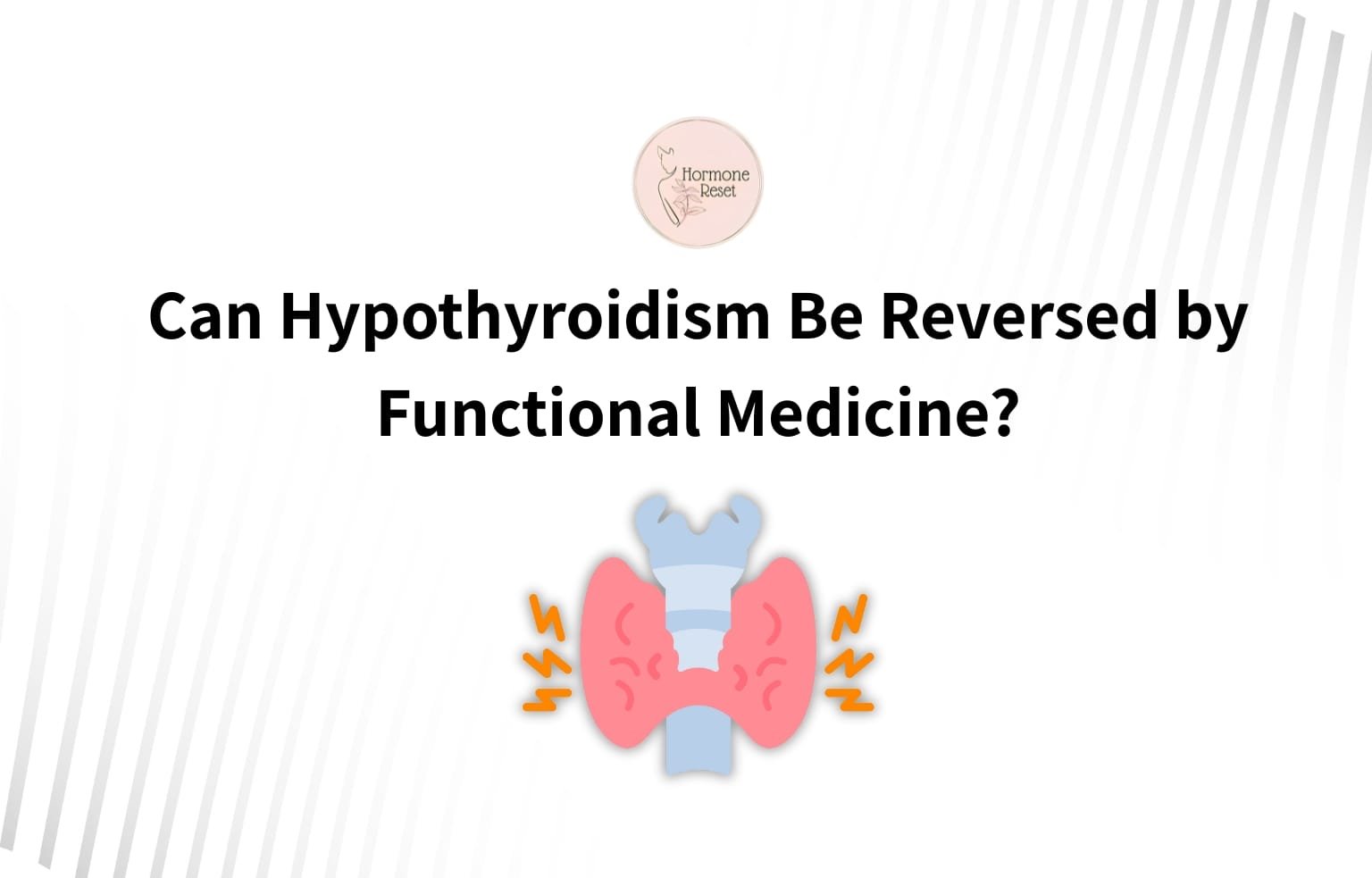
    Can Hypothyroidism Be Reversed by Functional Medicine?

    Have you ever wondered why, despite taking your thyroid medication, you still feel tired, sluggish, or just not yourself? If you’re one of the millions living with hypothyroidism, you know the frustration of chasing normal lab results while your symptoms linger. But what if there was a way to go beyond just “managing” your thyroid – and actually help your body heal? Welcome to the world of functional medicine, where the focus is on root causes, not just quick fixes. Let’s explore how a Hormone Reset functional medicine approach could help you reclaim your energy, balance, and joy.

    What Is Hypothyroidism and Why Does It Matter?

    Hypothyroidism, or an underactive thyroid, means your thyroid gland isn’t producing enough hormones to keep your metabolism and body functions running smoothly. This can cause fatigue, weight gain, brain fog, hair thinning, cold intolerance, and more. Conventional medicine typically treats hypothyroidism with hormone replacement therapy, but many patients find this approach doesn’t fully resolve their symptoms or address the root causes.

    Why Functional Medicine Offers a New Hope

    Functional medicine treats the body as an interconnected system rather than isolated symptoms. It aims to identify and correct the underlying causes of hypothyroidism, such as autoimmune dysfunction, nutrient deficiencies, chronic inflammation, gut imbalances, and environmental toxins. This personalized, holistic approach can often help restore thyroid function and improve quality of life.

    The Hormone Reset Functional Medicine Approach to Hypothyroidism

    At Hormone Reset, the functional medicine approach is designed to harmonize and revitalize your entire hormonal system, not just the thyroid. Here’s how it works:

    1. Comprehensive Assessment and Advanced Testing

    • Complete Thyroid Panel: Beyond standard TSH tests, Hormone Reset evaluates free T3, free T4, reverse T3, and thyroid antibodies (TPO and thyroglobulin) to get a full picture of thyroid health and autoimmune activity.
    • Root Cause Identification: Testing includes nutrient levels (selenium, zinc, vitamin D), gut health markers, inflammation, and toxin exposure to pinpoint hidden triggers of thyroid dysfunction.

    2. Personalized Anti-Inflammatory Nutrition

    • Removing inflammatory foods like gluten, dairy, and processed sugars reduces immune activation and supports thyroid healing.
    • Emphasizing nutrient-dense, whole foods rich in thyroid-supporting vitamins and minerals fuels your metabolism and hormone production.

    3. Targeted Nutritional and Herbal Support

    • Supplements such as magnesium, omega-3 fatty acids, selenium, and adaptogenic herbs help reduce inflammation, improve thyroid hormone conversion, and balance stress hormones.
    • Careful iodine management ensures optimal thyroid hormone synthesis without overloading the gland.

    4. Detoxification and Lifestyle Optimization

    • Identifying and reducing exposure to environmental toxins that disrupt thyroid function.
    • Supporting liver health with specific foods and herbs to enhance detox pathways.
    • Stress reduction techniques, including mindfulness and sleep optimization, to balance adrenal and thyroid function.

    5. Ongoing Support and Education

    • Hormone Reset provides continuous guidance, empowering you to become an active participant in your healing journey.
    • Customized plans evolve with your progress to ensure lasting results.

    How Functional Medicine Differs from Conventional Treatment

    AspectConventional MedicineFunctional Medicine (Hormone Reset)
    FocusReplace thyroid hormoneIdentify and treat root causes
    TestingBasic TSH and T4 onlyComprehensive thyroid panel + nutrient & toxin tests
    TreatmentLifelong hormone replacementPersonalized diet, supplements, detox, lifestyle changes
    Symptom ManagementSymptom relief via medicationSymptom resolution by restoring thyroid health
    Patient RolePassive recipientActive partner in healing

    Can Hypothyroidism Be Reversed?

    While some thyroid damage may be permanent, many cases of hypothyroidism, especially autoimmune Hashimoto’s, can be significantly improved or even reversed by addressing the root causes. Functional medicine’s holistic approach often leads to:

    • Reduced thyroid antibody levels
    • Improved thyroid hormone production and conversion
    • Enhanced energy, mood, and metabolism
    • Decreased dependence on medication (under medical supervision)

    Additional Functional Medicine Strategies for Thyroid Health

    Supporting Thyroid Hormone Conversion

    • Chronic stress and inflammation can impair conversion of T4 to active T3 hormone.
    • Functional medicine supports this process through stress management, anti-inflammatory nutrition, and supplements like magnesium and zinc.

    Gut Health and Thyroid Function

    • A healthy gut lining prevents autoimmune triggers and improves nutrient absorption.
    • Probiotics, digestive enzymes, and gut-healing foods are key components of the Hormone Reset protocol.

    Managing Autoimmune Triggers

    • Identifying food sensitivities and environmental factors that provoke immune attacks on the thyroid.
    • Using natural anti-inflammatory agents and lifestyle changes to calm the immune system.

    Real-Life Impact: What Patients Experience

    Patients following the Hormone Reset functional medicine approach often report:

    • More stable energy throughout the day
    • Clearer thinking and better mental focus
    • Weight loss and improved digestion
    • Healthier hair and skin
    • Greater emotional balance and reduced anxiety

    Imagine Life with a Thriving Thyroid

    Hypothyroidism doesn’t have to define your life. With the Hormone Reset functional medicine approach, you can move beyond symptom management to true healing by uncovering and addressing the root causes of your thyroid imbalance. This personalized, compassionate method supports your whole body, empowering you to reclaim your vitality and well-being.

    Reference

    https://www.rupahealth.com/post/understanding-hypothyroidism-and-how-to-treat-it-naturally

    https://www.rupahealth.com/post/a-functional-medicine-hypothyroidism-protocol-comprehensive-testing-supplements-and-integrative-nutrition

    https://www.josefspharmacy.com/2021/08/05/boosting-thyroid/

    https://naturemed.org/how-do-naturopathic-doctors-treat-hypothyroidism/

    https://my.clevelandclinic.org/health/diseases/12120-hypothyroidism

    https://www.ifm.org/articles/balancing-thyroid-hormones-naturally

    https://drstavy.com/blog/how-functional-medicine-can-help-with-hypothyroidism/

    https://www.mayoclinic.org/diseases-conditions/hypothyroidism/diagnosis-treatment/drc-20350289

  • Psoriasis: Uncovering the Roots and Finding Lasting Relief with Functional Medicine

    Psoriasis: Uncovering the Roots and Finding Lasting Relief with Functional Medicine

    Functional Medicine Psoriasis is a chronic autoimmune condition characterised by red, scaly patches on the skin that can appear anywhere on the body. While it is commonly associated with skin issues, psoriasis is an inflammatory disorder involving the immune system. Traditional treatments, such as topical creams, phototherapy, and systemic medications, can provide relief but often fail to address the root causes of the condition. Functional medicine looks beyond symptom management to uncover and address the underlying factors contributing to psoriasis. In this blog, we will explore the roots of psoriasis, its triggers, and how functional medicine can offer lasting relief through a personalised, holistic approach.

    Understanding Psoriasis: A Complex Condition

    Psoriasis is more than just a skin disease—it is a systemic condition that involves immune system dysfunction. It occurs when the immune system mistakenly attacks healthy skin cells, leading to an overproduction of skin cells that pile up on the surface, forming plaques. The most common types of psoriasis include:

    • Plaque Psoriasis: Characterized by raised, red patches covered with silvery scales.
    • Guttate Psoriasis: Small, drop-shaped lesions, often triggered by infections.
    • Inverse Psoriasis: Red, shiny lesions that appear in skin folds.
    • Pustular Psoriasis: White pustules surrounded by red skin.
    • Erythrodermic Psoriasis: Severe, widespread redness and shedding of skin

    Psoriasis can affect any part of the body, but it is most common on the elbows, knees, scalp, and lower back.

    Traditional Treatments for Psoriasis

    Traditional treatments for psoriasis include:

    • Topical medications: These drugs are applied topically to the affected area to decrease inflammation and allow the scales to clear.
    • Light therapy: This therapy involves the use of ultraviolet light to slow the growth of skin cells.
    • Oral medications: These drugs are oral drugs that aid in the suppression of the immune system.

    None of the above address the root causes of psoriasis. 

    The Root Causes of Psoriasis

    Psoriasis is influenced by multiple internal and external factors that can contribute to its development and flare-ups:

    1. Immune System Dysfunction
      At the core of psoriasis is an overactive immune response. T-cells, a type of white blood cell, mistakenly attack healthy skin cells, triggering inflammation and abnormal skin cell turnover. This dysregulated immune response is often linked to environmental triggers, such as infections or stress.
    2. Environmental Triggers
      While genetics lay the foundation, environmental factors often act as triggers for psoriasis flare-ups. Some of the most common environmental triggers include:
      • Infections: Particularly streptococcal infections, candida overgrowth, parasites, which are known to trigger psoriasis (Michaëlsson et al., 2019).
      • Stress: Emotional stress is a common trigger for psoriasis flare-ups, likely due to the role of cortisol in immune system modulation (Dhabhar, 2014).
      • Diet: A pro-inflammatory diet rich in sugar, gluten, and processed foods can exacerbate inflammation, while an anti-inflammatory diet can help manage symptoms (Barrea et al., 2019).
      • Environmental Toxins: Exposure to chemicals, pollutants, or smoking can worsen psoriasis symptoms and inflammation.
    3. Gut Health
      The gut plays a crucial role in immune system regulation. Dysbiosis (an imbalance in the gut microbiome) can contribute to systemic inflammation and immune dysfunction, potentially triggering or worsening psoriasis (Boehncke & Schön, 2015). The gut-skin axis, a connection between gut health and skin inflammation, is gaining recognition in psoriasis research.

    Functional Medicine for Psoriasis

    Functional medicine is identification of the causative factors of a disease rather than its symptoms alone. It has been very effective in the reversal of psoriasis, as it would be able to point out factors affecting the patient and then focus on these issues.Functional medicine is healing from the inside out, not just alleviating psoriasis but making a person healthier and more alive.

    How Functional Medicine Transforms Psoriasis Care

    Functional medicine takes a root-cause approach to healthcare, aiming to identify and address the underlying factors that contribute to disease. Instead of merely managing symptoms with topical creams or systemic medications, functional medicine practitioners seek to restore balance in the body by considering multiple aspects of health—nutrition, lifestyle, genetics, and environmental factors. In the case of psoriasis, functional medicine focuses on the following key areas:

    1. Diet and Nutrition
      An anti-inflammatory diet is central to managing psoriasis. Reducing the intake of pro-inflammatory foods, such as sugar, refined carbs, and gluten, can help reduce systemic inflammation and skin flare-ups. Instead, a diet rich in omega-3 fatty acids (from fish or flaxseed), antioxidants (from fruits and vegetables), and healthy fats (such as those found in avocados and olive oil) can support skin health and reduce inflammation. Some functional medicine practitioners also recommend eliminating food allergens, such as gluten or dairy, to see if it improves symptoms.
    2. Gut Health Optimization
      Given the link between gut health and psoriasis, improving the microbiome through probiotics, prebiotics, and a nutrient-dense diet is a key aspect of functional medicine. Healing the gut lining, balancing gut bacteria, and reducing intestinal permeability (leaky gut) may help reduce inflammation and autoimmunity. Studies have shown that the use of probiotics can improve psoriasis symptoms by modulating the immune response (Zhang et al., 2019).
    3. Addressing Infections and Immune Dysregulation
      Infections, particularly streptococcal throat infections, can trigger psoriasis flare-ups. A functional medicine approach involves identifying and treating any underlying infections that may be exacerbating the condition. Additionally, modulating immune system activity with nutrients such as vitamin D, omega-3 fatty acids, and antioxidants can help restore immune balance. Some research suggests that vitamin D deficiency may worsen psoriasis, and supplementation may help alleviate symptoms (Ghoreschi et al., 2011).
    4. Reducing Stress
      Stress is a powerful trigger for psoriasis flare-ups. Functional medicine emphasizes the importance of stress management techniques such as meditation, yoga, deep breathing exercises, and mindfulness. By addressing the root cause of stress, individuals can help modulate their cortisol levels and reduce inflammation in the body.
    5. Detoxification
      Detoxifying the body through practices like saunas, adequate hydration, and reducing exposure to environmental toxins (such as smoking, heavy metals, or pesticides) is another important aspect of functional medicine. Reducing the burden on the liver and improving toxin elimination can help reduce the inflammatory load on the body.

    Clinical Evidence Supporting Functional Medicine for Psoriasis Relief

    A number of studies have supported the effectiveness of functional medicine approaches for psoriasis management:

    • Dietary Interventions: A study published in the Journal of Dermatological Treatment found that dietary changes, including a gluten-free diet, led to a significant reduction in psoriasis symptoms (Barrea et al., 2019).
    • Probiotics and Gut Health: Research has shown that probiotics can improve the skin barrier and reduce inflammation in patients with psoriasis (Zhang et al., 2019).
    • Vitamin D Supplementation: Vitamin D levels have been shown to correlate with the severity of psoriasis. Supplementation with vitamin D may help regulate immune responses and improve skin health (Ghoreschi et al., 2011).

    Psoriasis is a multifactorial condition that requires a comprehensive, personalized approach for effective management. Functional medicine offers a holistic pathway to uncovering the root causes of psoriasis and finding lasting relief. By focusing on diet, gut health, immune regulation, stress management, and detoxification, functional medicine provides a promising framework for those seeking long-term solutions beyond conventional treatments. If you suffer from psoriasis, working with a functional medicine practitioner can help you take control of your health and improve your skin’s appearance, all while addressing the underlying factors contributing to the condition. Functional medicine is healing from the inside out, not just alleviating psoriasis but making a person healthier and more alive.

    Also Read: What is Psoriasis Disease? How to Cure Psoriasis With Functional Medicine?


    References

    1. Barrea, L., Balato, N., et al. (2019). Nutrition and psoriasis: Is there any association between the severity of the disease and adherence to the Mediterranean diet? Journal of Translational Medicine, 17(1), 1-8.
    2. Boehncke, W. H., & Schön, M. P. (2015). Psoriasis. The Lancet, 386(9997), 983-994.
    3. Dhabhar, F. S. (2014). Effects of stress on immune function: The good, the bad, and the beautiful. Immunologic Research, 58(2), 193-210.
    4. Ghoreschi, K., et al. (2011). Modulation of the immune response in psoriasis and psoriatic arthritis by vitamin D. Nature Reviews Rheumatology, 7(4), 255-261.
    5. Michaëlsson, G., et al. (2019). Infections in psoriasis: The role of streptococcal and other infections in triggering guttate psoriasis. European Journal of Dermatology, 29(1), 12-18.
    6. Tsoi, L. C., et al. (2017). Genetic associations with psoriasis. The Lancet, 389(10081), 1216-1230.
    7. Zhang, Z., et al. (2019). Effects of probiotics on psoriasis: A systematic review and meta-analysis. Journal of Dermatological Treatment, 30(6), 583-588.
  • What is Hormonal Imbalance? How Functional Medicine Can Cure it?

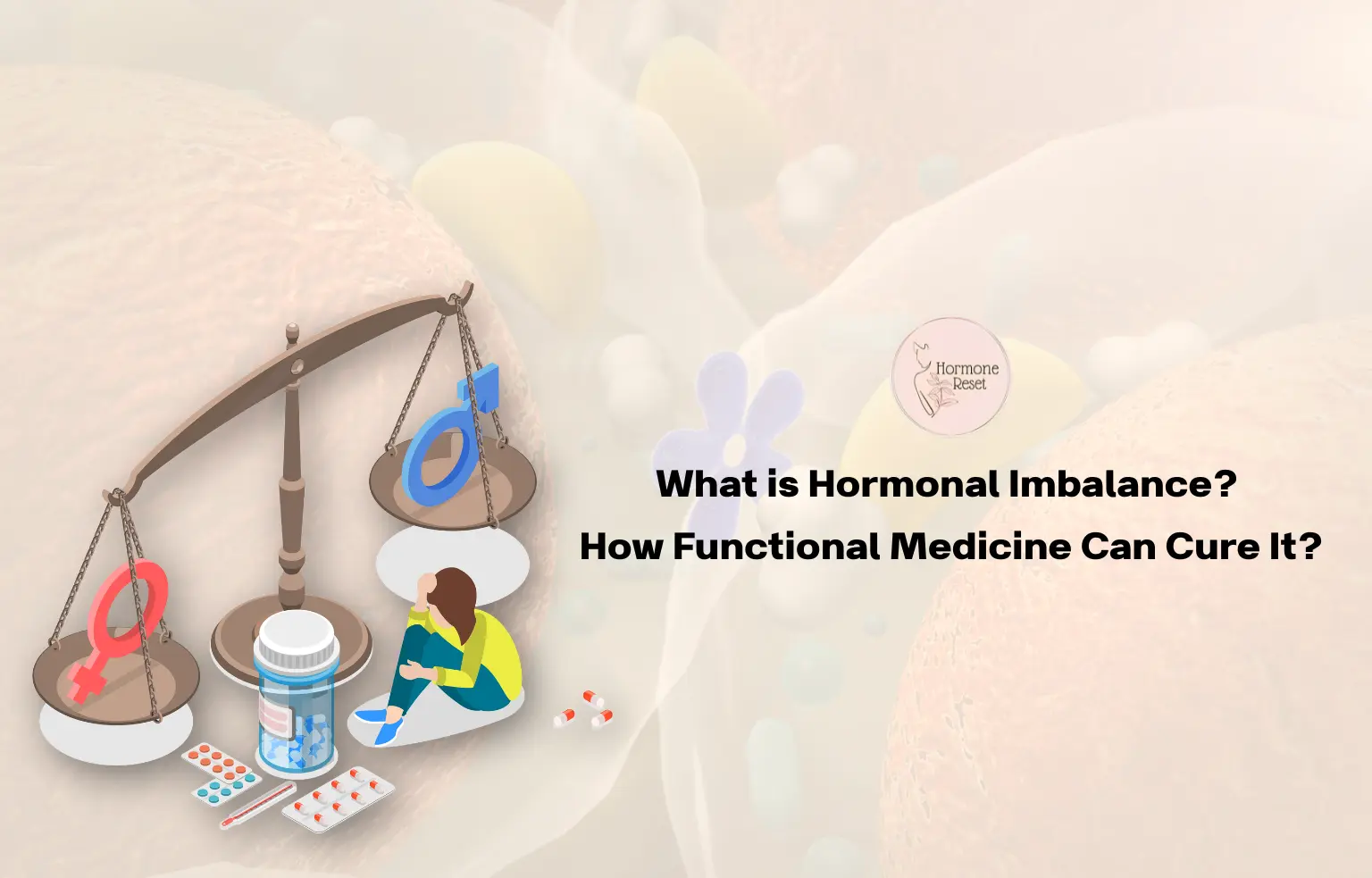
    What is Hormonal Imbalance? How Functional Medicine Can Cure it?

    Hormones are the body’s chemical messengers, regulating everything from metabolism and mood to sleep and fertility. When they are balanced, you feel energised, focused, and strong. When they are out of sync, you may experience fatigue, weight gain, mood swings, brain fog, and various other health issues like fibromyalgia, PCOS, infertility, PMS, autoimmunity, diabetes, hypothyroidism, anxiety, depression and more.

    Why Do Hormones Get Imbalanced? What are the Causes of Hormonal Imbalance?

    Hormonal imbalances don’t happen overnight. They develop due to various factors, including:

    • Chronic Stress – Elevated cortisol levels affect thyroid and reproductive hormones amongst many others, leading to fatigue, weight gain, and immune dysfunction.
    • Poor Diet – Processed foods, sugar, and unhealthy fats disrupt insulin sensitivity, which leads to various downstream effects like estrogen progesterone imbalance, increasing the risk of metabolic and various other disorders.
    • Environmental Toxins – Endocrine disruptors in plastics, beauty products, and pesticides mimic hormones and interfere with normal function, leading to hormonal chaos and dysfunction.
    • Gut Issues – An unhealthy gut microbiome affects various hormones like estrogen metabolism and affects immune and other functions, contributing to digestive issues and inflammation.
    • Nutrient Deficiencies – Essential vitamins and minerals such as magnesium, zinc, omega 3 fatty acids and B vitamins are crucial for hormone production and balance.
    • Sleep Deprivation – Poor sleep quality impacts melatonin, cortisol, and other crucial hormones, leading to a cascade resulting in various issues including weight gain and impaired cognitive function.
    • Excessive Exercise or Sedentary Lifestyle – Overtraining initially increases and later may suppress cortisol production, while lack thereof contributes to insulin resistance and poor circulation.

    The good news? Functional medicine provides a natural and effective approach to resetting your hormones and restoring balance.

    Do You Have a Hormone Imbalance? Symptoms of Hormonal Imbalance

    1. Fatigue and Low Energy: Persistent tiredness, even after sufficient rest, may signal imbalances in cortisol (stress hormone), thyroid hormones (regulate metabolism), or insulin (regulates blood sugar). These imbalances can lead to adrenal fatigue or thyroid sluggishness.
    2. Weight Gain and Difficulty Losing Weight: Hormonal disruptions, particularly involving insulin resistance, elevated cortisol, low thyroid hormones, or estrogen dominance, can make weight loss difficult. Fat often accumulates around the midsection or hips and thighs.
    3. Mood Swings, Anxiety, and Depression: Low levels of progesterone and estrogen fluctuations can contribute to irritability, sadness, and anxiety. Elevated cortisol from chronic stress and low thyroid function also affect neurotransmitter levels, worsening mood issues.
    4. Sleep Disturbances and Insomnia: Disrupted cortisol rhythms (elevated at night or too low during the day), melatonin imbalance, and low progesterone can cause difficulty falling asleep or staying asleep.
    5. Irregular Menstrual Cycles and PMS: Heavy, painful, or irregular periods may signal estrogen dominance, low progesterone, or underlying conditions like PCOS or thyroid disorders. PMS symptoms like bloating, mood swings, and breast tenderness are also linked to these imbalances.
    6. Low Libido and Fertility Issues: Low estrogen, testosterone, or progesterone levels can reduce sex drive and cause infertility. High cortisol and insulin resistance interfere with ovulation and normal reproductive hormone cycles.
    7. Brain Fog and Poor Concentration: Forgetfulness, lack of mental clarity, and difficulty focusing may stem from thyroid dysfunction, blood sugar instability, or inflammation triggered by hormonal imbalance.
    8. Skin and Hair Changes: Thinning hair, dry or acne-prone skin, and brittle nails may reflect low thyroid function, excess androgens (as in PCOS), or estrogen imbalance. These symptoms often appear alongside menstrual irregularities.
    9. Digestive Problems and Bloating: Estrogen plays a role in gut motility and microbial balance. Imbalance—especially estrogen dominance—can slow digestion and promote bloating, while gut dysbiosis can impair estrogen clearance, creating a feedback loop.
    10. Temperature Sensitivity: Cold hands and feet, intolerance to cold, or excessive sweating and hot flashes are signs of thyroid dysfunction or perimenopausal hormone fluctuations.

    Also Read: Do Not Miss The Signs Your Periods Are Giving You About Your Body Health

    The Science Behind Hormone Imbalance

    A hormone reset is a strategic approach to bring your hormones back to their optimal levels by making targeted lifestyle and dietary changes. This approach works by targeting the root causes like eliminating triggers, nourishing the body, and supporting detox pathways.

    How Hormones Communicate in the Body

    Hormones don’t work in isolation—they function in a delicate balance. A few of these hormone interactions include:

    • Cortisol & Insulin: Chronic stress increases cortisol, which raises insulin and leads to fat storage, particularly around the abdomen. This process often is the root cause of type 2 diabetes. 
    • Cortisol and Thyroid: Generally these two are inversely related. For example, an increase in stress increases cortisol secretion, which in turn reduces the thyroid function. 
    • Thyroid & Estrogen: High estrogen can interfere with thyroid hormone production, leading to sluggish metabolism, weight gain, and fatigue.
    • Progesterone & Stress: When stress is high, progesterone levels drop, affecting mood, sleep, and reproductive health, potentially leading to infertility.

    How Functional Medicine Can Cure Hormone Imbalance?

    Hormone Reset is a science-backed method that focuses on identifying and addressing the root causes of imbalances rather than just treating symptoms. Instead of relying on medication alone, this approach combines personalized nutrition, lifestyle changes, and advanced lab testing to restore optimal hormone function.

    Step 1: Comprehensive Hormone Testing & Diagnosis

    Unlike traditional medicine, which often overlooks underlying issues, functional medicine starts with comprehensive lab testing to evaluate:

    • Cortisol and adrenal function to detect chronic stress and fatigue.
    • Thyroid hormone levels (total t3 and t4, free t3 and t4 and tsh) to assess metabolism and energy production.
    • Insulin and blood sugar balance to prevent diabetes and metabolic disorders.
    • Estrogen, progesterone, and testosterone levels to ensure reproductive and overall health.
    • Gut health and microbiome diversity to improve digestion and hormone detoxification.
    • Nutrient deficiencies and inflammatory markers to guide dietary and supplement recommendations.
    • Liver function markers and symptoms to assess liver health and function as optimal liver function is important to ensure proper hormonal balance. 

    Step 2: Personalized Nutrition & Detoxification

    Food plays a crucial role in hormone balance. Functional medicine recommends:

    • Anti-inflammatory foods – Leafy greens, berries, and turmeric reduce oxidative stress and inflammation.
    • Hormone-balancing fats – Avocados, wild-caught fish, coconut oil, and nuts support cellular function and hormone production.
    • Fiber-rich foods – Cruciferous vegetables (broccoli, cauliflower, cabbage) help detox excess estrogen and improve digestion.
    • Liver-supporting nutrients – Dandelion root, milk thistle, beets, and lemon water enhance the body’s natural detoxification pathways.
    • Balancing blood sugar – Prioritizing protein, healthy fats, and fiber helps prevent insulin spikes, which contribute to weight gain and fatigue.
    • Intermittent fasting – A well-planned fasting regimen can help regulate insulin, support metabolism, and enhance detoxification.

    Transform Your Health One Meal at a Time?

    Looking for hormone-balancing recipes that are as delicious as they are healing. Whether you’re dealing with PCOS, thyroid issues, or just want to reset your body naturally — we’ve got simple, nourishing recipes waiting for you.

    Step 3: Restoring Gut Health & The Gut-Hormone Connection

    A healthy gut is key to hormone regulation. Functional medicine supports digestion with:

    • Probiotics & Prebiotics – Restore beneficial bacteria and improve hormone metabolism by enhancing digestion and reducing bloating.
    • Digestive Enzymes – Enhance nutrient absorption and reduce gut-related hormone imbalances.
    • Gluten & Dairy Reduction – Helps prevent inflammation and autoimmune responses that impact thyroid and reproductive health.
    • Collagen & Bone Broth – Supports gut lining integrity and hormone production, reducing symptoms like bloating, acne, and joint pain.

    Step 4: Stress Management & Sleep Optimization

    Stress and poor sleep wreak havoc on hormones. Functional medicine recommends:

    • Sleep Hygiene – Maintaining a regular bedtime, avoiding blue light before sleep, and using magnesium supplementation improve sleep quality and hormone regulation.
    • Adaptogenic Herbs – Ashwagandha, rhodiola, and holy basil help regulate cortisol levels and support adrenal function.
    • Mindfulness & MeditationRegular excercise and deep breathing meditation reduce stress and improve hormone balance.
    • Infrared Sauna & Epsom Salt Baths – These detoxification techniques support relaxation, lower inflammation, and enhance hormone function.

    Take Control of Your Hormones Today

    If you’re struggling with fatigue, mood swings, unexplained weight gain, or other symptoms of hormonal imbalance, it’s time to take action. Your body is designed to heal—it just needs the right support.

    Start your journey to hormone balance today with expert guidance from HormoneReset and experience the power of functional medicine. Book your Free Discovery Call Now!


    References:

    Hormones: A Functional Medicine Perspective Crossing Back to Health

  • Why Vertigo Isn’t Just “All in Your Head”? How Functional Medicine Cure Vertigo?

    Why Vertigo Isn’t Just “All in Your Head”? How Functional Medicine Cure Vertigo?

    Ever stood up too fast and felt like the room was spinning? Or had sudden dizziness that made the world tilt sideways? You’re not alone. Vertigo affects millions of people worldwide. But what if we told you that vertigo isn’t always an ear issue or a neurological problem? What if it had deeper roots — in your hormones, your gut, and even your lifestyle?

    At Hormone Reset, we view vertigo not as a stand-alone condition, but as a symptom of internal imbalance. Our functional medicine approach goes beyond temporary fixes. We find the root cause.

    What really is Vertigo?

    Vertigo is a sensation of spinning or dizziness, often triggered by changes in head position or movement. It can be accompanied by nausea, unsteadiness, ringing in the ears, or even blurry vision. It is a symptom, not a disease in itself.

    Types of Vertigo You Should Know:

    • Peripheral Vertigo: Caused by issues in the inner ear (e.g., BPPV, Meniere’s Disease)
    • Central Vertigo: Originates from brain or brainstem problems (e.g., stroke, migraine)
    • Functional Vertigo: Arises from systemic imbalances like hormone shifts, gut dysbiosis, or stress

    Why It Matters: 

    Understanding the type of vertigo helps identify the underlying root — and that’s where healing truly begins.

    Also Read: What is Hashimoto’s Thyroiditis?

    Vertigo Symptoms: Beyond Dizziness

    The experience of vertigo can vary widely, and understanding each symptom can reveal valuable clues about what’s going on internally:

    • A spinning or tilting sensation: This hallmark of vertigo often signals inner ear disturbances or brainstem involvement. However, it may also stem from sudden hormonal fluctuations or neurotransmitter imbalance due to poor gut health.
    • Difficulty walking or standing: Balance issues point to impaired coordination between the vestibular system and central nervous system. Chronic inflammation or nutrient deficiencies (like magnesium or B12) can make these pathways sluggish.
    • Nausea and vomiting: These symptoms are closely tied to the vagus nerve and gut-brain communication. Disruption in the gut microbiome or adrenal fatigue can make your body more reactive to movement or sensory inputs.
    • Tinnitus (ringing in the ears): While often associated with inner ear damage, tinnitus can also emerge from hormonal imbalances (especially thyroid dysfunction) and chronic stress impacting neural regulation.
    • Visual disturbances: Blurry vision, light sensitivity, or difficulty focusing can stem from vestibular-ocular reflex dysfunction, a condition aggravated by adrenal dysregulation, systemic inflammation, or brainstem signaling issues.
    • Brain fog and difficulty concentrating: Common in both vertigo and gut dysbiosis, these symptoms are linked to impaired glucose regulation, poor neurotransmitter synthesis, dysbiosis, toxicity, and adrenal burnout — many of which are interconnected with hormone imbalances.
    • Panic attacks or heightened anxiety: Anxiety can be both a cause and result of vertigo. Low GABA, high cortisol, and disrupted gut flora intensify the brain’s fear response. Addressing these through hormone and gut reset can calm the nervous system.

    The Functional Medicine Lens: What’s Really Going On?

    Unlike traditional medicine that treats vertigo symptomatically, functional medicine digs deep into underlying causes:

    Gut-Brain Axis Disruption

    A compromised gut microbiome affects neurotransmitter production (like serotonin and GABA), which regulate both mood and balance. This imbalance can lead to increased feelings of anxiety and depression, highlighting the vital connection between gut health and mental well-being. 

    Hormonal Fluctuations

    Shifts in estrogen, cortisol, and thyroid hormones influence blood flow, fluid balance, and nervous system function. These hormonal irregularities can destabilise the vestibular system.

    Brainstem and Neurological Triggers

    Vertigo may stem from subtle brainstem dysfunctions. Even in the absence of obvious neurological symptoms, inflammation or hormone-related disruptions in this area can result in vertigo.

    Deficient Nutrients and Neuroinflammation

    Low levels of many nutrients including magnesium, vitamin B12, or omega-3s affect neural conductivity. Chronic inflammation further impairs communication between the brain and body. Consequently, these deficiencies can lead to various neurological issues, making it essential to maintain adequate nutrient levels for optimal brain health.

    Also Read: What is Hashimoto’s Thyroiditis?

    Gut Health and Vertigo: A Silent but Strong Link

    The gut isn’t just for digestion — it’s a control center for brain signaling. Recent research has shown that the gut microbiome plays a crucial role in influencing our mood and cognitive functions. Additionally, the connection between the gut and brain highlights the importance of a healthy diet in maintaining mental well-being.

    How It Works:

    • Gut-Brain Communication: Microbes in the gut interact with the brain through the vagus nerve, forming the gut-brain axis, which impacts mood, emotional response, and cognitive function, influencing mental health and stress responses.
    • Effects of Leaky Gut: Increased intestinal permeability, or leaky gut, can cause systemic inflammation that disrupts the vestibular system, essential for balance and spatial awareness. Chronic inflammation contributes to neurological disorders, making gut health vital for neurological well-being.
    • Importance of Gut Flora: An imbalance in gut bacteria can lower levels of neurotransmitters like GABA and serotonin, which are crucial for mood and balance. It also increases LPA, a highly neurotoxic material. A healthy gut microbiome is necessary for synthesizing these neurotransmitters, and their deficiency can lead to increased anxiety, depression, and balance issues.
    • Restoration of Gut Flora: Improving gut flora through dietary changes, probiotics, or other methods may enhance neurotransmitter production, potentially improving mood and balance.

    The Hormone Reset Method: A Root-Cause Solution

    At Hormone Reset, we heal from within. Our approach combines ancient healing principles by addressing the root causes of hormonal imbalances, we empower our clients to achieve lasting wellness and vitality. Hormone Reset programs integrate functional treatments, dietary modifications, and holistic practices with modern therapies to support each individual’s unique journey to health.

    Deep Diagnostic Testing: 

    • Gut Microbiota Diversity and Dysbiosis: The gut microbiota consists of a diverse array of microorganisms that play critical roles in digestion, metabolism, and immunity. Dysbiosis refers to an imbalance in these populations, which can lead to various health issues, including inflammatory bowel disease, obesity, and autoimmune disorders.
    • Hormonal Mapping: This process measures thyroid hormones, cortisol, and sex hormones to assess their levels and interactions, which are crucial for metabolism, stress response, and reproduction. Imbalances can cause disorders like hypothyroidism and fertility issues.
    • Inflammatory and Immune Markers: Evaluating inflammatory markers such as cytokines and CRP is key to understanding chronic inflammation and autoimmune diseases, which can impact overall health.
    • Brainstem Response: Testing brainstem response provides insights into auditory pathways and neurological health. Abnormal results may signify hearing issues or neurological conditions like autism.
    • Nutrient Absorption and Deficiencies: Assessing nutrient absorption is vital to prevent complications from deficiencies, such as anemia or osteoporosis, influenced by factors like gut health and diet.

    Individualized Healing Protocols: 

    Based on diagnostics, we create:

    • Anti-inflammatory meal plans: Incorporating a variety of whole foods such as fruits, vegetables, whole grains, and healthy fats can significantly reduce inflammation in the body. Emphasizing antioxidant-rich foods helps combat oxidative stress and promotes overall health.
    • Gut repair and detox support: Focusing on gut health can improve digestion and nutrient absorption while reducing symptoms of discomfort. Including probiotics and fiber-rich foods in your diet plays a crucial role in fostering a balanced microbiome.
    • Herbal adaptogens to reset cortisol: Adaptogens like ashwagandha and rhodiola can help your body adapt to stress and regulate cortisol levels naturally. Integrating these herbs into your daily routine supports resilience and helps in managing stress more effectively.
    • Hormone regulation strategies: Implementing lifestyle changes such as regular exercise, balanced nutrition, and stress management can significantly improve hormonal balance. Understanding the body’s hormonal fluctuations can also guide you in making appropriate dietary changes to support overall wellness.
    • Brain retraining therapies and vestibular rehab: These therapies aim to strengthen the brain’s neural connections and improve motor function following disruptions. Engaging in targeted rehabilitation exercises can lead to enhanced coordination and cognitive function, promoting better overall brain health.

    Whole-Person Lifestyle Reset: 

    We teach patients to:

    • Regulate circadian rhythms: Establishing a consistent sleep schedule can significantly improve sleep quality and overall health. Aim to go to bed and wake up at the same time every day, even on weekends, to help your body maintain its natural rhythm.
    • Activate the vagus nerve: Deep breathing exercises, such as diaphragmatic breathing and other techniques can stimulate the vagus nerve and promote relaxation. Incorporating these techniques into your daily routine can help manage stress and anxiety levels effectively.
    • Reconnect with nature and reduce EMF exposure: Spending time outdoors can boost your mood and mental clarity, reducing feelings of stress and anxiety. Additionally, limiting exposure to electromagnetic fields (EMFs) by minimizing the use of electronic devices can support overall well-being.
    • Move mindfully and reduce toxin load: Engaging in mindful movement practices, such as yoga or tai chi, can enhance your physical and mental health. Moreover, focusing on a clean diet and minimizing exposure to environmental toxins can lead to increased vitality and well-being.

    Functional Neurology and Vertigo: Rebuilding Balance

    Functional neurology focuses on neuroplasticity — your brain’s ability to rewire itself. It’s especially powerful for chronic or functional vertigo.

    Therapies We Use:

    • Eye Tracking and Gaze Stabilization: This technique involves training the eyes to follow moving objects smoothly, which can help improve visual processing and reduce dizziness. It is particularly beneficial for individuals experiencing balance issues due to vestibular disorders.
    • Vestibular Retraining Exercises: These exercises aim to help individuals adapt to changes in their vestibular system, improving their balance and reducing symptoms like dizziness. They often include head movements and postural challenges to strengthen the brain’s ability to manage spatial orientation.
    • Sensory-Motor Integration Therapy: This therapy focuses on enhancing the brain’s ability to process sensory information and coordinate motor responses. It is particularly useful for those with sensory processing disorders, as it combines various activities to promote better body awareness and movement control.
    • Brainwave Entrainment Techniques: These techniques use rhythmic stimuli, such as sound or light, to synchronize brainwave activity. This can lead to improved focus, relaxation, and overall mental well-being, making it a valuable tool for stress reduction and cognitive enhancement.

    These tools help rebuild lost connections, regulate brain-body communication, and create long-term stability.

    The Gut-Brain Axis: More Than Just a Buzzword

    Your gut makes over 90% of the body’s serotonin — a key neurotransmitter in mood and motion regulation. Inflammation in the gut impairs this process, leading to:

    • Anxiety-triggered dizziness can make it difficult to maintain balance, often leading to feelings of unease and uncertainty.
    • Heightened sensitivity to motion may result in nausea and discomfort, impacting daily activities and overall quality of life.
    • Fluctuating vestibular control often presents a challenge in situations requiring stability, making it hard to navigate in busy or crowded environments.

    The Takeaway: Gut health is brain health. And in vertigo, healing the gut is often the first step to lasting recovery.

    Functional Vertigo: When the Tests Are Normal but You Still Feel Off

    Have you been told “everything looks normal” but still feel dizzy? You may be dealing with functional vertigo — where the problem lies in how your body responds, not what shows up on a scan.

    Clues That Point to Functional Vertigo:

    • Symptoms worsen with stress or poor sleep
    • Relief after dietary changes or probiotics
    • Fluctuating intensity not linked to specific movements
    • History of hormonal issues or autoimmune disorders

    At Hormone Reset, we validate what you feel and uncover what’s unseen.

    Why Hormone Reset Works Where Others Don’t

    • Whole Person Approach: We believe in treating the entire individual, not just their symptoms. This means considering how everything works together, including the gut, brain, hormones, and emotions, to ensure a balanced and healthy body.
    • Data-Driven Testing: We utilize precise testing methods rather than making guesses about your health. By analyzing your unique data, we can understand your specific needs and tailor a plan that works just for you.
    • Bio-Individualized Protocols: Our health plans are customized to fit your personal health profile. We recognize that everyone’s body is different, so we design strategies that address your specific conditions and wellness goals.
    • Empowerment and Support: We are committed to empowering you throughout your healing journey. This includes educating you about your health choices and providing support every step of the way, ensuring you feel confident and informed in your path to wellness.

    Restoring Balance, Restoring Life

    Vertigo doesn’t need to be a constant companion. By approaching it through the lens of functional medicine and hormone reset, you can take control of your health and find lasting relief. Understanding that vertigo is not merely a random symptom but a message from your body about underlying imbalances is the first step toward healing.

    At Hormone Reset, we believe that vertigo is just one part of the puzzle. By addressing the root causes — whether it’s gut health, hormonal imbalances, stress, or neuroinflammation — we offer a holistic solution that doesn’t just mask the symptoms, but fosters true healing. It’s about restoring balance within your body, and in doing so, restoring your life.

    Let us help you start that journey — because you deserve a life where you can feel calm, clear-headed, and centered.

    References:

    1. Rodrigues-Pádua, J., Bercik, P., & Collins, S. M. (2020). The Role of the Gut Microbiota in Vestibular Function. Journal of Neuroinflammation. Link
    2. Romijn, M., Brummer, R., & Manfready, S. (2022). Gut Health and Neurotransmitter Imbalances: Implications for Functional Vertigo. Journal of Functional Medicine. Link
    3. Swain, S. E., McKinney, S. M., & Thompson, J. K. (2021). Understanding Central Vertigo: A Neurological Perspective. Neurology and Neuroscience Journal. Link
    4. Bercik, P., & Collins, S. M. (2018). The Gut–Brain Axis: Implications for Neurological Disorders. Journal of Clinical Investigation. Link
    5. Manfready, S., & Pande, A. (2021). Functional Medicine in Treating Chronic Dizziness and Vertigo: An Overview. Integrative Medicine Reviews. Link
    6. Swain, S., & Thompson, J. (2019). The Interplay Between Stress Hormones and Dizziness: The Unseen Link. Neuropsychology Review. Link

    Vervent, D., & Tilk, M. (2022). Vestibular Rehabilitation and its Role in Chronic Vertigo. Journal of Vestibular Research. Link

  • What is Lupus? How Hormone Reset Can Help You Recover From Lupus Through Functional Medicine?

    What is Lupus? How Hormone Reset Can Help You Recover From Lupus Through Functional Medicine?

    Lupus, officially known as Systemic Lupus Erythematosus (SLE), is an autoimmune disease where the immune system turns against the body, attacking healthy tissues and organs. This results in widespread inflammation, joint pain, fatigue, and organ damage. But what if  an overactive immune system is just a symptom? While the root cause is completely different ?

    Why Lupus is More Than Just an Autoimmune Disease?

    Most conventional treatments focus on suppressing the immune system, using steroids and immunosuppressants to control flare-ups. While this can help manage symptoms, it doesn’t address the underlying causes, one of which is hormonal imbalance.

    How Hormonal Imbalance Triggers Lupus?

    Women are nine times more likely to develop lupus than men, which hints at a strong hormonal connection. The delicate balance of estrogen, cortisol, thyroid hormones, and insulin play a key role in either soothing or igniting the immune system.

    Hormones That Worsen Lupus

    1. Estrogen Dominance – High levels of estrogen can over-stimulate the immune system, leading to increased autoimmunity and inflammation.
    2. Cortisol Dysregulation – Chronic stress leads to fluctuating cortisol levels, weakening immune tolerance and worsening lupus symptoms.
    3. Thyroid Dysfunction – Many lupus patients have undiagnosed or subclinical hypothyroidism, further exacerbating various factors connected with lupus as also fatigue and inflammation.
    4. Insulin Resistance – Poor blood sugar control fuels systemic inflammation, making lupus flare-ups more severe.

    The Hormone Reset Functional Medicine Approach: A Path to Healing

    medicine and fruit

    1. Comprehensive Hormone Testing

    Instead of just managing symptoms, functional medicine uses advanced testing to analyze hormone levels, identifying imbalances that contribute to lupus flares.

    2. Anti-Inflammatory and Hormone-Balancing Nutrition

    A lupus-friendly, hormone-reset diet focuses on:

    • Balancing blood sugar with whole foods and fiber-rich meals.
    • Boosting gut health with probiotics and anti-inflammatory foods.
    • Detoxifying excess estrogen through cruciferous vegetables like broccoli and kale.
    • Omega-3 fatty acids (found in wild salmon, flaxseeds) to lower inflammation naturally.

    3. Healing the Gut to Reset Autoimmunity

    Gut health is central to immune regulation. Functional medicine practitioners address leaky gut syndrome, which is often a hidden trigger of autoimmune flares.

    • Remove processed and inflammatory foods (gluten, dairy, processed sugar).
    • Replace with organic, unprocessed whole foods.
    • Replenish with probiotics and digestive enzymes.
    • Repair and regeneration of the gut is done by adding in nutrient dense foods, phytonutrients (antioxidants, flavonoids, etc), omega-3 rich sources, gut repair supplements, etc.
    • Restore and retain with gut-healing nutrients like collagen and L-glutamine and foundational lifestyle changes that support long term gut and overall health.

    4. Managing Stress and Resetting Cortisol Levels

    Chronic stress is a major driver of autoimmune dysfunction. Implementing mind-body practices like:

    • Meditation and deep breathing to regulate the nervous system.
    • Gentle movement like yoga or tai chi to prevent inflammation spikes.
    • Adaptogenic herbs (ashwagandha, rhodiola) to balance stress hormones.
    • Toxins and chronic infections can also cause cortisol imbalances. Addressing these helps the stress response of the body to calm down and be balanced again. 

    5. Detoxification: Eliminating Hidden Toxins

    Toxins from food, air, and personal care products can overload the liver, disrupting hormone balance and worsening lupus symptoms. A detox plan includes:

    • Liver-supporting foods like beets, turmeric, and dandelion root.
    • Sweating out toxins with infrared saunas and Epsom salt baths.
    • Switching to clean, non-toxic personal care products.
    • Chelation is important in the case of the presence of heavy metal toxins like mercury, aluminium, lead, cadmium, etc. 
    • Detoxification protocols should be implemented periodically to ensure body does not accumulate toxins and remains clean. 

    How Hormone Reset Can Changes Your Entire Physiology?

    girl taking medicin

    A hormone reset doesn’t just alleviate lupus symptoms—it reprograms your entire body to function optimally. By restoring hormonal balance, you can:

    • Boost cellular repair and regeneration, leading to increased energy and vitality.
    • Improve metabolic function, making weight management easier.
    • Strengthen immune balance and resilience, reducing the severity and frequency of lupus flares.
    • Enhance brain function and mood stability, reducing brain fog and depression.
    • Support skin and organ health, leading to reduced inflammation and better overall well-being.

    A properly executed hormone reset creates a ripple effect, transforming not just lupus management but your entire physiology, helping you reclaim your health at the deepest level.

    Success Stories: Real-Life Reversals of Lupus Symptoms

    Many lupus patients following a Hormone Reset Functional Medicine Approach have reported:

    ✔ Reduced joint pain and inflammation

    ✔ Reversal of damage to various organs
    ✔ Increased energy levels and mental clarity
    ✔ Fewer flare-ups and better skin health
    ✔ A restored sense of well-being and resilience

    Take Charge of Your Health: The Future of Lupus Care

    Lupus doesn’t have to be a lifelong battle with medications and unpredictable flare-ups. By addressing hormonal imbalances, gut health, stress, and toxicity, you can take control of your body and significantly reduce the impact of lupus.

    Functional medicine offers a personalized approach to healing, rather than a one-size-fits-all suppression of symptoms. It’s time to move beyond just surviving and start thriving with a hormone reset approach to lupus!

    Further if you’re looking for one-on-one consultation with our Specialists, then Book Now!

    References 

    1. The Role of Hormones in Lupus: Why It’s More Common in Women https://www.rupahealth.com/post/the-role-of-hormones-in-lupus-why-its-more-common-in-women
    2. The Effect of Estradiol and Testosterone Levels Alone or in Combination on Systemic Lupus Erythematosus https://ijms.sums.ac.ir/article_50440.html
    3. Characteristics of Steroid Hormones in Systemic Lupus Erythematosus
      https://www.frontiersin.org/journals/endocrinology/articles/10.3389/fendo.2023.1164679/full
    4. The Influence of Endogenous and Exogenous Sex Hormones on Systemic Lupus Erythematosus https://pmc.ncbi.nlm.nih.gov/articles/PMC4520373/
    5. Environmental Exposures and the Development of Systemic Lupus Erythematosus https://pmc.ncbi.nlm.nih.gov/articles/PMC4965307/
    6. A Prospective Study of Reproductive Factors in Relation to Risk of Systemic Lupus Erythematosus https://pmc.ncbi.nlm.nih.gov/articles/PMC7854483/
    7. Sex Hormones Affect the Pathogenesis and Clinical Characteristics of Systemic Lupus Erythematosus https://pmc.ncbi.nlm.nih.gov/articles/PMC9402996/
    8. Menopausal hormone therapy and the risk of systemic lupus erythematosus and systemic sclerosis: a population-based nested case-control study https://academic.oup.com/rheumatology/advance-article-pdf/doi/10.1093/rheumatology/keaf004/61370606/keaf004.pdf
    9. Systemic Lupus Erythematosus (Lupus) https://www.niams.nih.gov/health-topics/lupus

    Share